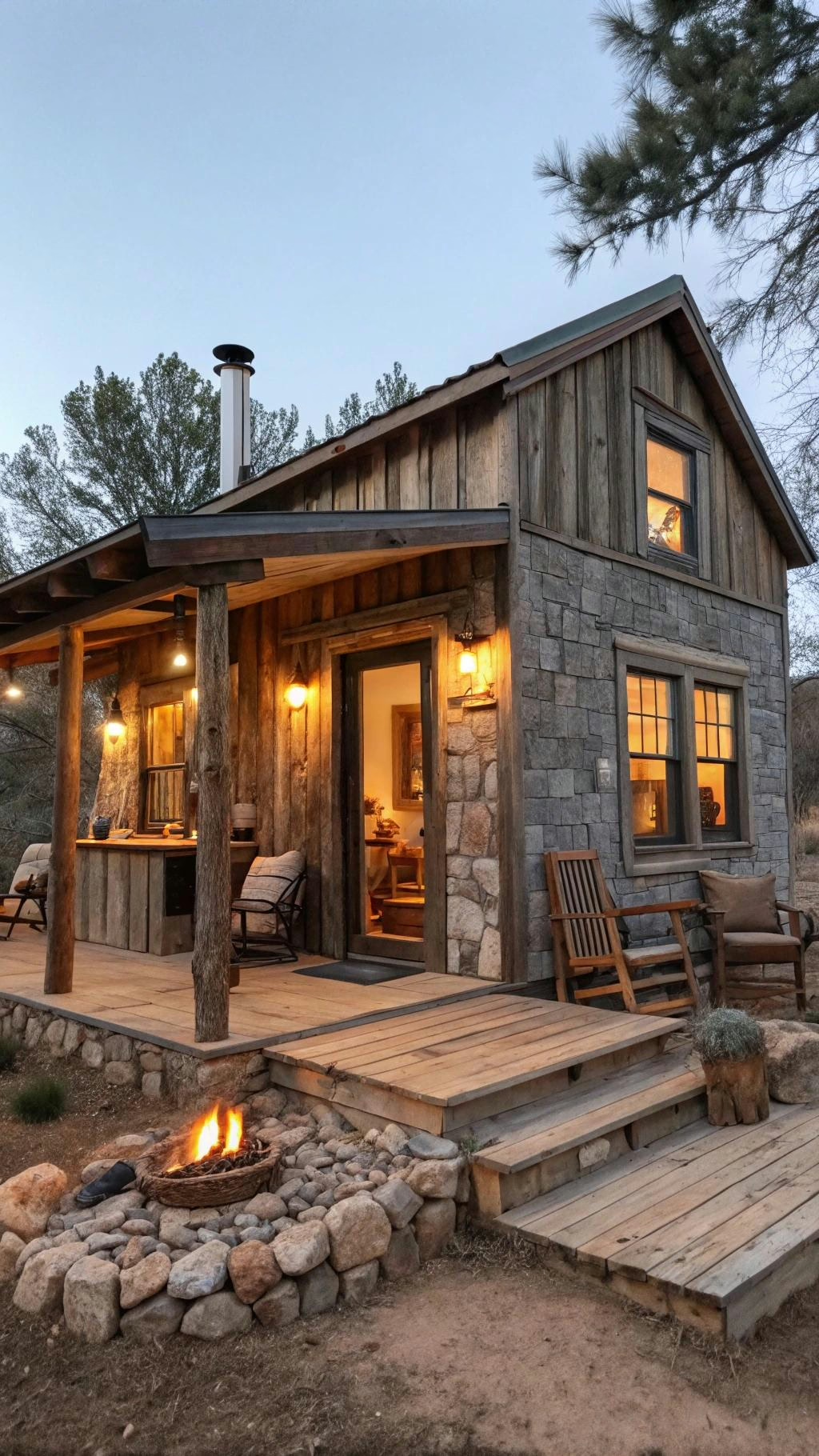
Modern tiny house ideas have taken the housing world by storm, offering creative solutions for people who want to live simply without sacrificing style.
These compact homes prove that you don’t need thousands of square feet to create a beautiful, functional living space.
Let’s explore 26 incredible modern tiny house ideas that might inspire your next dream home.
Scandinavian-Inspired Tiny Cabin
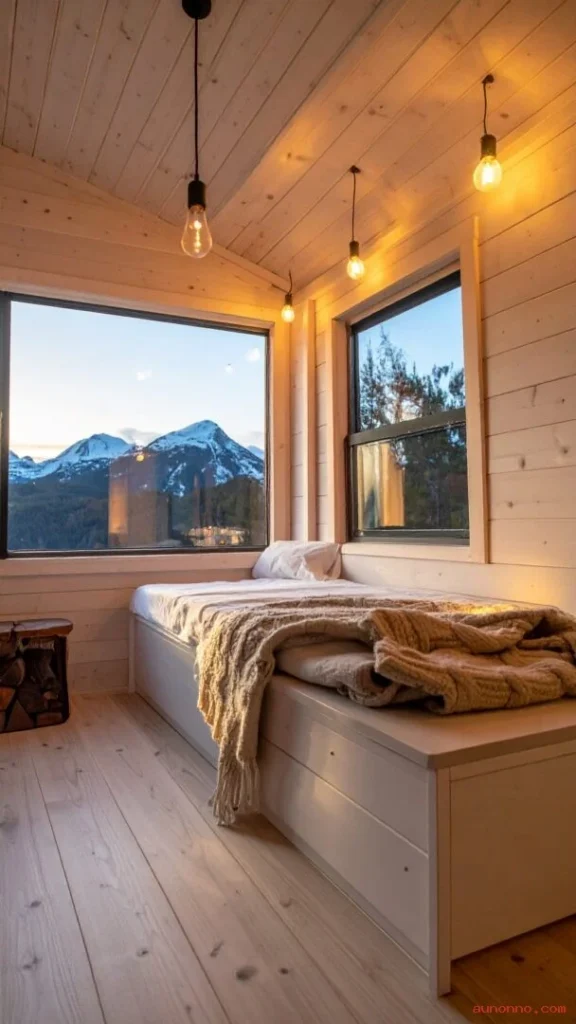
The Scandinavian design approach brings warmth and simplicity to tiny house living. Light wood interiors, white walls, and large windows create an airy atmosphere that makes the space feel much larger than its actual square footage.
This style emphasizes clean lines and functional furniture that serves multiple purposes. Built-in storage solutions hide clutter while maintaining the minimalist aesthetic that defines Nordic design.
Natural materials like pine, birch, and wool textiles add texture without overwhelming the compact interior. The result is a cozy retreat that feels both modern and timeless.
Industrial Container Home
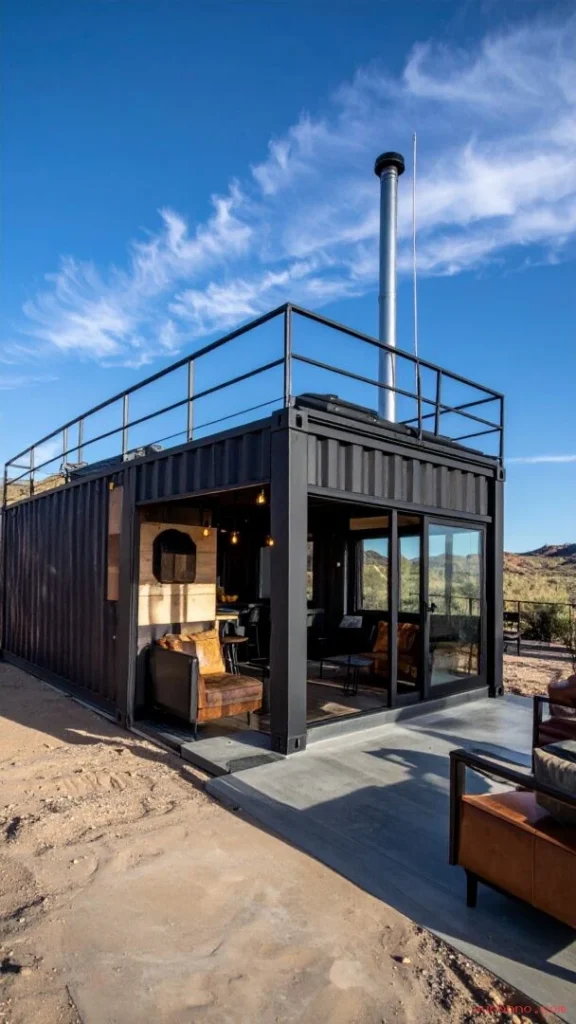
Shipping container homes represent one of the most innovative approaches to modern tiny house construction. These repurposed steel structures offer incredible durability while providing a unique industrial aesthetic that appeals to contemporary tastes.
The raw metal exterior can be left exposed or painted in bold colors to make a statement. Inside, polished concrete floors and exposed ceiling beams complement the industrial vibe perfectly.
Large cut-out windows and glass doors flood the interior with natural light, softening the hard edges of the metal structure. Smart insulation solutions make these homes comfortable in any climate.
Japanese-Style Minimalist Tiny House
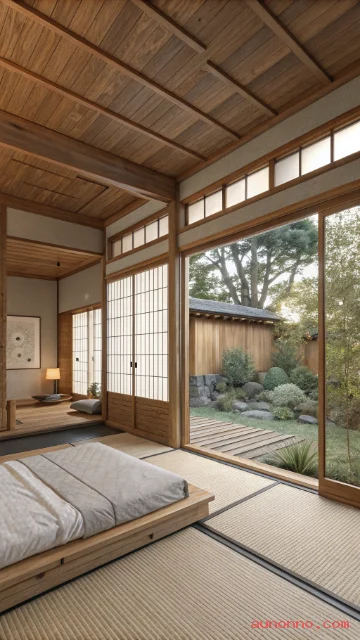
Japanese design principles translate beautifully into tiny house living. The concept of “Ma” (negative space) creates breathing room within compact interiors, making every square inch feel intentional and purposeful.
Sliding shoji screens replace traditional doors, saving precious floor space while adding architectural interest. Tatami mats and low furniture keep the visual plane open and grounded.
Natural materials like bamboo, rice paper, and cedar wood bring organic textures into the space. The result is a serene sanctuary that promotes calm and mindfulness.
Modern A-Frame Tiny Cabin
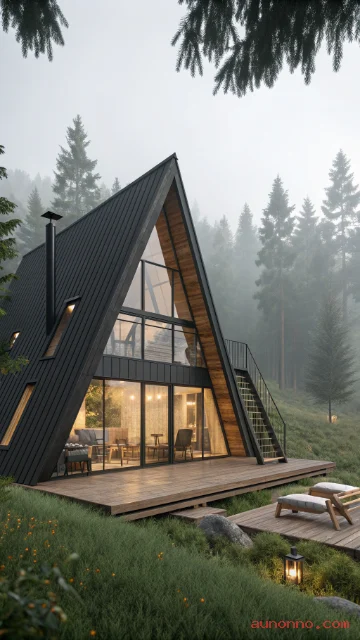
The classic A-frame shape gets a contemporary update in modern tiny house design. Dramatic angled walls create soaring ceilings that make the interior feel spacious and grand despite limited square footage.
Floor-to-ceiling windows at the front and back maximize natural light and frame stunning views. The triangular silhouette stands out against any landscape, from forest settings to mountain retreats.
Open loft spaces tucked under the peaked roof provide sleeping quarters while keeping the main floor open for living activities. This efficient use of vertical space defines modern A-frame living.
Bohemian Tiny House on Wheels
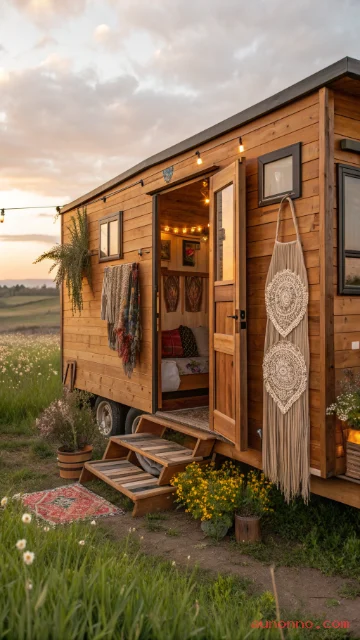
Mobile tiny houses offer freedom and flexibility for those who love to travel. The bohemian style brings warmth, color, and personality to these compact rolling homes through layered textiles and eclectic decor.
Macrame wall hangings, vintage rugs, and plants transform the small space into a cozy nomadic retreat. Warm wood tones and brass fixtures add richness to the interior palette.
Clever storage solutions hide behind decorative elements, keeping the boho vibe intact while maintaining functionality. This style proves that tiny living can be both practical and deeply personal.
Ultra-Modern Glass Box Tiny House
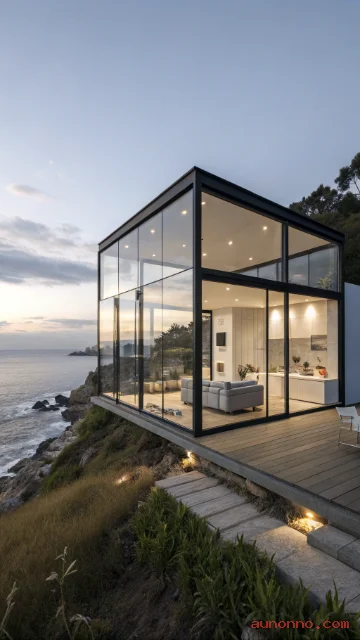
Glass-walled tiny houses blur the boundary between indoor and outdoor living. Structural glass panels create transparent walls that flood the interior with light and connect inhabitants with nature.
This design works best in private, scenic locations where privacy isn’t a concern. Automated shades or smart glass can provide coverage when needed.
The minimal framing and sleek hardware maintain clean architectural lines. These homes serve as both living spaces and viewing platforms for the surrounding landscape.
Rustic Modern Tiny Farmhouse
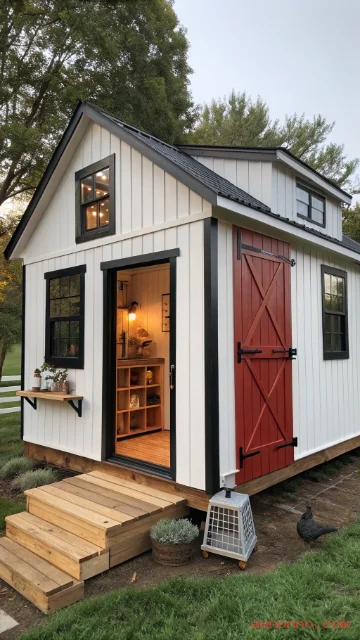
Farmhouse charm meets contemporary design in this popular tiny house style. White shiplap walls, black metal accents, and reclaimed wood create a warm, welcoming atmosphere with modern edge.
A compact kitchen features open shelving, a farmhouse sink, and butcher block countertops that maximize functionality. The living area feels cozy with a small wood-burning stove as the focal point.
Barn-style sliding doors save space while adding architectural character to the interior. This style appeals to those who want warmth and history in their modern tiny home.
Treehouse-Inspired Elevated Tiny Home
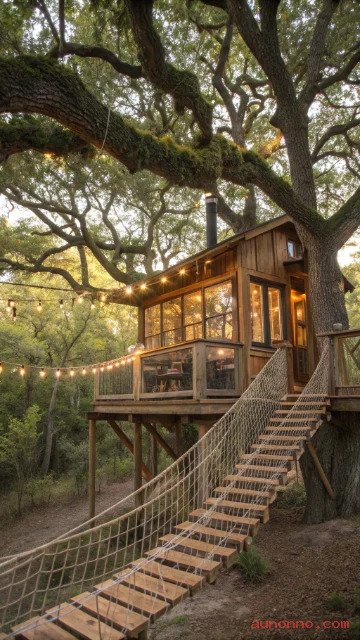
Building upward allows tiny houses to exist in harmony with the forest floor. Elevated tiny homes on stilts or platform systems create magical living spaces that feel connected to the treetops.
Large windows and wraparound decks extend the living area into the canopy. The height provides privacy while offering unique perspectives of the natural surroundings.
Rope bridges, spiral staircases, and clever access systems add adventure to everyday living. This design captures childhood dreams while providing adult comfort and functionality.
Desert Modern Tiny Adobe House
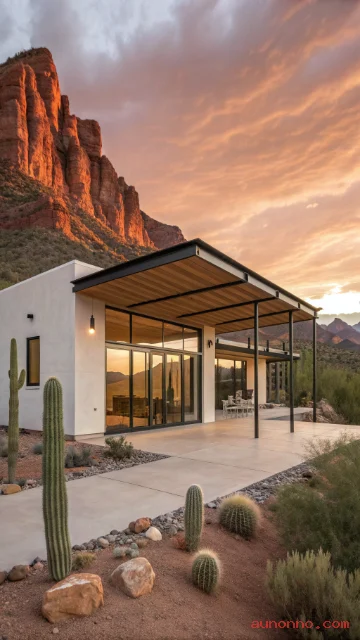
Adobe and rammed earth construction techniques create naturally cool tiny homes perfect for hot climates. The thick earthen walls provide excellent thermal mass, keeping interiors comfortable without excessive energy use.
Contemporary interpretations feature clean geometric shapes and large openings that frame desert views. Terracotta tones and natural plaster finishes blend seamlessly with the landscape.
Flat roofs accommodate solar panels and rainwater collection systems for sustainable desert living. Courtyards and shaded outdoor living areas extend the usable space significantly.
Coastal Tiny Beach Cottage
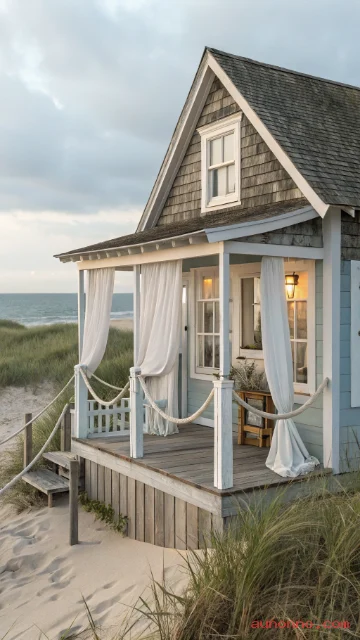
Beach-inspired tiny houses capture the relaxed vibe of coastal living. Soft blue and white color palettes, weathered wood finishes, and nautical details create an instant vacation atmosphere.
Outdoor showers, covered porches, and large windows that catch ocean breezes define the coastal tiny house experience. Salt-resistant materials ensure longevity in marine environments.
Open floor plans and light-colored interiors reflect sunlight and maintain the breezy feel. These homes serve as perfect weekend retreats or full-time residences for beach lovers.
Modern Prefab Tiny House
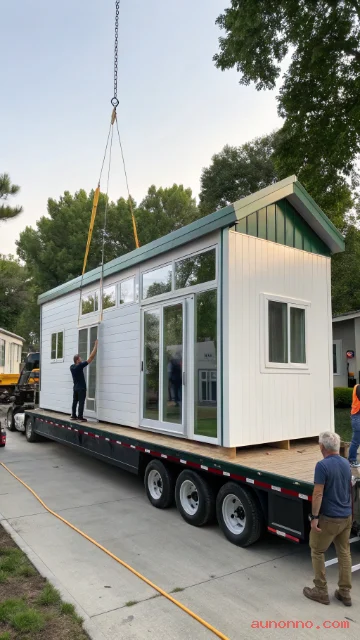
Prefabricated tiny houses offer quality construction with reduced build times. Factory-controlled environments ensure precision craftsmanship and consistent quality that’s difficult to achieve with on-site construction.
These homes arrive nearly complete and can be installed on foundations within days. Modular designs allow for customization while maintaining efficient production processes.
Contemporary prefab tiny houses feature high-end finishes, smart home technology, and energy-efficient systems standard. This approach makes modern tiny living accessible to more people.
Tiny House with Rooftop Garden
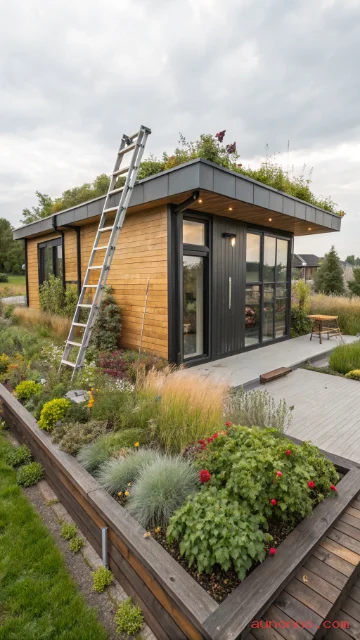
Green roofs transform tiny houses into living ecosystems. Planted roof systems provide insulation, manage stormwater, and create additional outdoor living or growing space.
Lightweight growing mediums and drought-tolerant plants work best for tiny house applications. Some designs incorporate vegetable gardens that supplement the household food supply.
The added weight requires careful structural engineering, but the benefits far outweigh the challenges. These tiny homes make powerful statements about sustainable, regenerative living.
Converted School Bus Tiny Home (Skoolie)
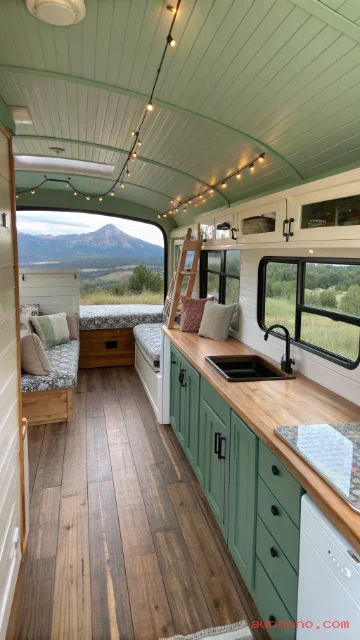
School bus conversions offer affordable entry into tiny house living with built-in mobility. These iconic yellow buses transform into unique rolling homes with surprising interior space.
Removing seats reveals a long, open floor plan perfect for customization. High ceilings accommodate loft spaces, and the curved roof adds character to the interior.
Most skoolie conversions feature wood-clad interiors that completely transform the original bus aesthetic. The adventure of traveling in a converted bus appeals to nomadic spirits worldwide.
Minimalist Concrete Tiny House
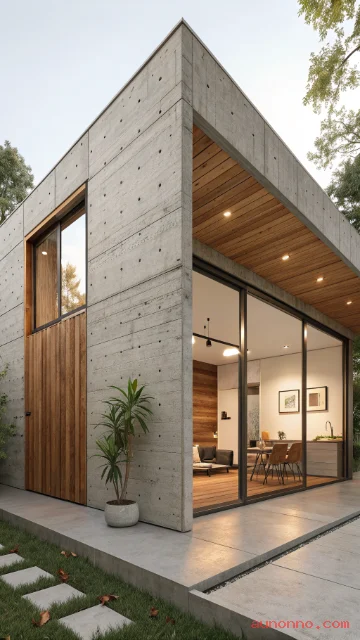
Raw concrete creates bold, sculptural tiny homes with industrial appeal. The material’s thermal mass helps regulate interior temperatures naturally, reducing energy consumption for heating and cooling.
Smooth concrete floors, walls, and even ceilings create a unified aesthetic that feels both gallery-like and residential. Warm wood accents and textile elements soften the hard surfaces.
Large window openings punched through thick concrete walls create dramatic light effects throughout the day. This style appeals to architecture enthusiasts and design-forward individuals.
Tiny House with Fold-Out Deck
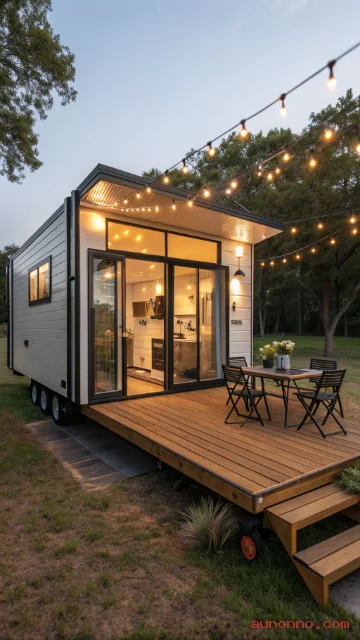
Transformable elements maximize the functionality of tiny house living. Fold-out decks essentially double the living space when deployed, creating outdoor rooms perfect for dining or relaxing.
Hydraulic systems or manual mechanisms allow these decks to store flat against the house when not in use. This feature works especially well for tiny houses on wheels that move frequently.
When extended, the deck becomes an extension of the interior living space. Large doors that open fully blur the line between inside and outside completely.
Stone and Timber Tiny Cottage
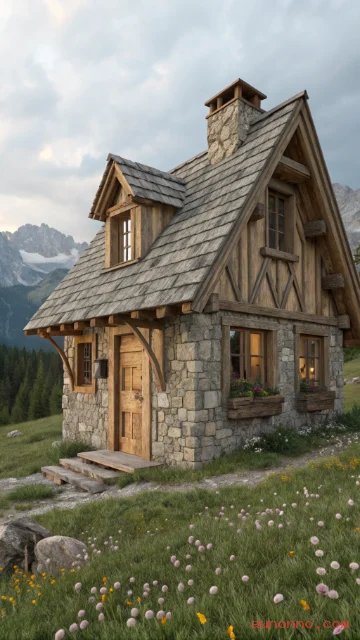
Natural stone and heavy timber create tiny houses that feel rooted in place. This combination of materials has stood the test of time and brings a sense of permanence to small dwellings.
Local stone sourced from the building site integrates the structure into its environment. Exposed timber beams and trusses add warmth and structural interest to the interior.
This style works particularly well in mountain or rural settings where the materials echo the landscape. The result is a tiny house that feels like it belongs exactly where it sits.
Solar-Powered Off-Grid Tiny House
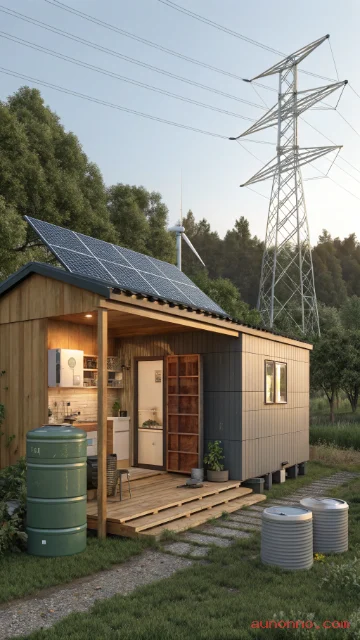
Complete energy independence defines the off-grid tiny house movement. Roof-mounted solar panels, battery storage systems, and efficient appliances allow these homes to function anywhere with adequate sunlight.
Composting toilets, rainwater collection, and greywater recycling systems complete the off-grid package. These homes prove that modern comfort doesn’t require connection to municipal services.
Careful energy management and LED lighting keep consumption low enough for solar systems to handle. Owners of these homes enjoy freedom from utility bills and location restrictions.
Tiny House with Murphy Bed Living Room
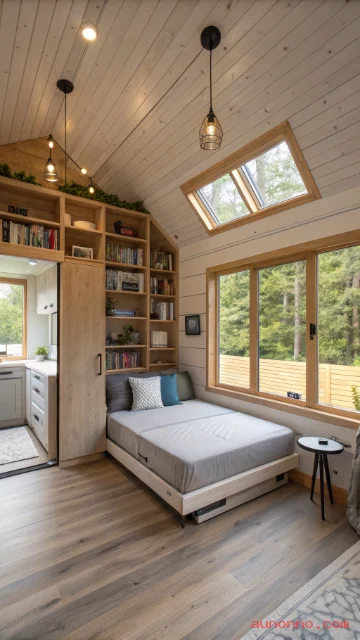
Murphy beds revolutionize tiny house floor plans by reclaiming living space during daytime hours. A wall-mounted bed that folds up instantly transforms a bedroom into a spacious living room or home office.
Modern Murphy bed systems include integrated shelving, lighting, and even sofas on the exterior. The mechanism operates smoothly and requires minimal effort to raise or lower.
This solution works especially well for single-level tiny houses where loft bedrooms aren’t practical. The living area feels significantly larger when the bed disappears into the wall.
Greenhouse Tiny House Hybrid
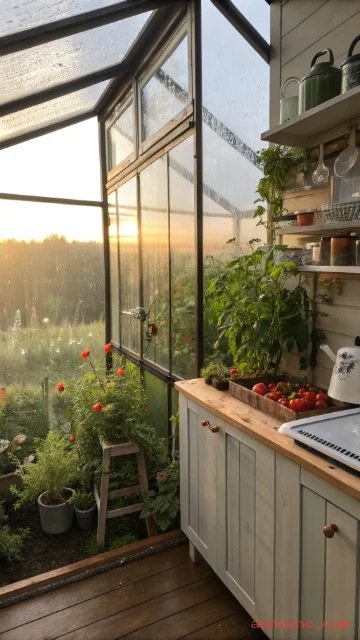
Attached greenhouses add growing space and passive solar heating to tiny houses. The glass structure captures heat during sunny days and provides year-round gardening opportunities.
This hybrid design connects indoor and outdoor growing seamlessly. Herbs and vegetables thrive just steps from the kitchen, supporting a farm-to-table lifestyle on the smallest scale.
The greenhouse area can serve as a sunroom or additional living space beyond its agricultural function. Opening windows and vents prevent overheating during summer months.
Two-Story Tiny Tower House
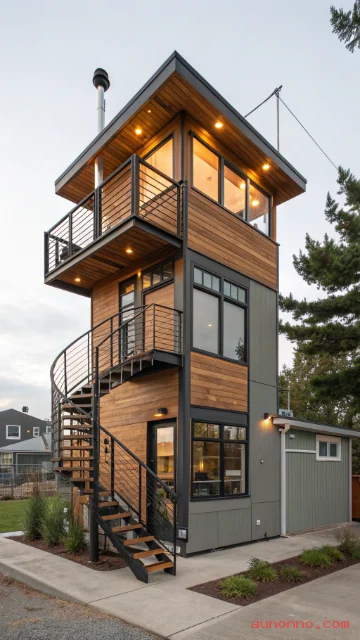
Building vertically maximizes living space on the smallest possible footprint. Tower-style tiny houses stack living functions across multiple floors connected by compact stairs or ladders.
Each level serves a distinct purpose: kitchen and living below, bedroom in the middle, and rooftop deck above. The narrow footprint works well for tight urban lots or small clearings.
Large windows on each level bring light deep into the structure. The tower design creates visual interest and stands apart from typical tiny house forms.
Tiny House with Indoor-Outdoor Bathroom
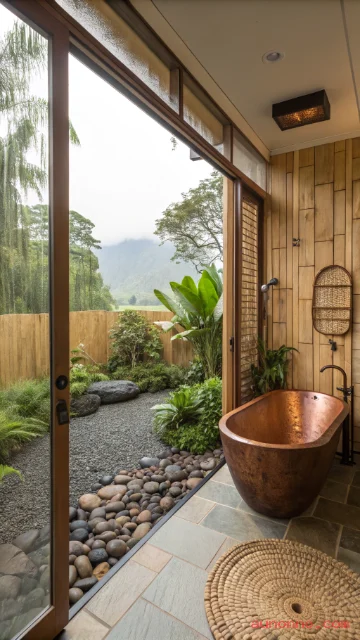
Nature-connected bathrooms bring spa-like luxury to tiny house living. Private outdoor shower gardens and soaking tubs under open sky transform daily routines into immersive experiences.
Indoor bathroom functions remain protected while bathing extends into nature. High privacy walls, strategic plantings, or remote locations ensure comfort without exposure.
This design maximizes precious interior square footage by moving some bathroom functions outside. The experience of showering under stars or morning sun becomes a daily luxury.
Tiny House Art Studio Combo
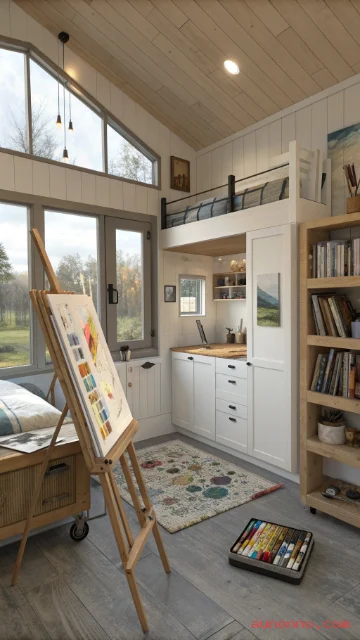
Creative professionals need space for both living and working. Tiny houses designed as live-work studios dedicate significant square footage to creative activities while maintaining comfortable living quarters.
North-facing windows provide consistent, shadow-free light for visual artists. High ceilings accommodate tall easels or large-scale work without feeling cramped.
Storage for supplies integrates into the design alongside typical household functions. These hybrid spaces prove that tiny living supports ambitious creative careers.
Tiny House with Hidden Storage Everywhere
Smart storage solutions define successful tiny house living. Every surface, step, and piece of furniture can hide storage compartments when designed intentionally.
Stairs with drawers built into each tread store linens, clothing, and supplies. Platform floors lift to reveal basement-like storage accessed through trap doors.
Pull-out pantries, under-floor compartments, and hollow ottomans maximize every available cubic inch. This invisible storage keeps tiny houses organized without visible clutter.
Tiny House with Wraparound Porch
Covered outdoor living space effectively extends a tiny house’s footprint. A wraparound porch provides protected outdoor room for activities that would overcrowd the small interior.
Screened sections allow comfortable three-season use in climates with insects. The porch becomes living room, dining area, and social gathering space during fair weather.
Multiple entry points around the perimeter connect different interior zones to the outdoors. This design works especially well in temperate climates where outdoor living is comfortable year-round.
Tiny House with Lofted Living Room
Flipping the typical tiny house layout puts the living room in the loft. This unexpected arrangement places social space in the most dramatic area of the home with soaring views.
The loft living room benefits from improved natural light and the psychological boost of height. Bedrooms below provide quiet, cave-like sleeping environments.
Guests gather in the elevated space while private functions remain at ground level. This layout works particularly well for those who entertain frequently.
Tiny House Compound with Multiple Structures
Separating functions across multiple tiny structures creates village-like living. A sleeping cabin, cooking pavilion, bathroom house, and covered outdoor room each serve distinct purposes.
Covered walkways or decks connect the structures into a cohesive compound. This approach increases total living space while keeping each building truly tiny.
The separation creates psychological space between activities and allows for varied architectural expression. Couples or families find this arrangement provides necessary privacy within small footprints.
Frequently Asked Questions
How much does a modern tiny house cost to build?
Modern tiny houses typically cost between $30,000 and $150,000 depending on size, materials, and finishes. Custom designs with high-end appliances and smart home features can exceed $200,000.
DIY builders often complete projects for under $50,000 by contributing their own labor.
What is the average size of a modern tiny house?
Most tiny houses range from 100 to 400 square feet of interior living space. Houses on wheels typically stay under 400 square feet to meet road width restrictions.
Foundation-built tiny houses can be slightly larger while still qualifying as tiny homes.
Can you legally live in a tiny house full-time?
Zoning laws vary significantly by location, so research local regulations before building. Many areas now allow tiny houses as accessory dwelling units on existing residential properties.
Some communities have created specific tiny house zoning districts for full-time residential use.
How long does it take to build a tiny house?
Professional builders typically complete tiny houses in 2 to 4 months. DIY builds can take 6 months to 2 years depending on the builder’s experience and available time.
Prefabricated tiny houses arrive substantially complete and can be move-in ready within weeks.
Are tiny houses a good investment?
Tiny houses can be excellent investments for the right buyers, especially those seeking reduced living expenses. They typically don’t appreciate like traditional real estate but cost much less to maintain.
The financial freedom from low or no mortgage payments provides significant lifestyle value.
What are the biggest challenges of tiny house living?
Limited storage space requires careful curation of belongings and regular decluttering. Hosting guests can be difficult in extremely small spaces.
Finding legal parking or placement locations remains challenging in many areas.
Can families live comfortably in tiny houses?
Many families successfully live in tiny houses with thoughtful space planning and outdoor living integration. Separate sleeping areas and private nooks give family members necessary personal space.
Larger tiny houses or compound arrangements work best for families with children.
What utilities do tiny houses need?
Tiny houses require electricity, water, and waste management just like traditional homes. Off-grid systems can provide all utilities independently using solar, rainwater, and composting systems. Grid-connected tiny houses hook up to standard utilities when placed on developed lots.
How do you heat and cool a tiny house?
Mini-split heat pump systems efficiently heat and cool tiny spaces using minimal energy. Wood stoves provide cozy heat for off-grid or rural tiny houses.
The small volume heats and cools quickly, reducing overall energy requirements significantly.
What materials work best for tiny house construction?
Lightweight materials reduce overall weight, which is critical for tiny houses on wheels. Steel frames, SIP panels, and advanced insulation create strong, energy-efficient structures.
Natural materials like wood, stone, and cork appeal to those seeking non-toxic, sustainable building options.
Conclusion
These 26 modern tiny house ideas demonstrate the incredible creativity flourishing in small-space design today. From sleek glass boxes to cozy farmhouse cottages, tiny houses offer something for every taste and lifestyle.
The movement continues to evolve as architects and builders push the boundaries of what’s possible in compact living.