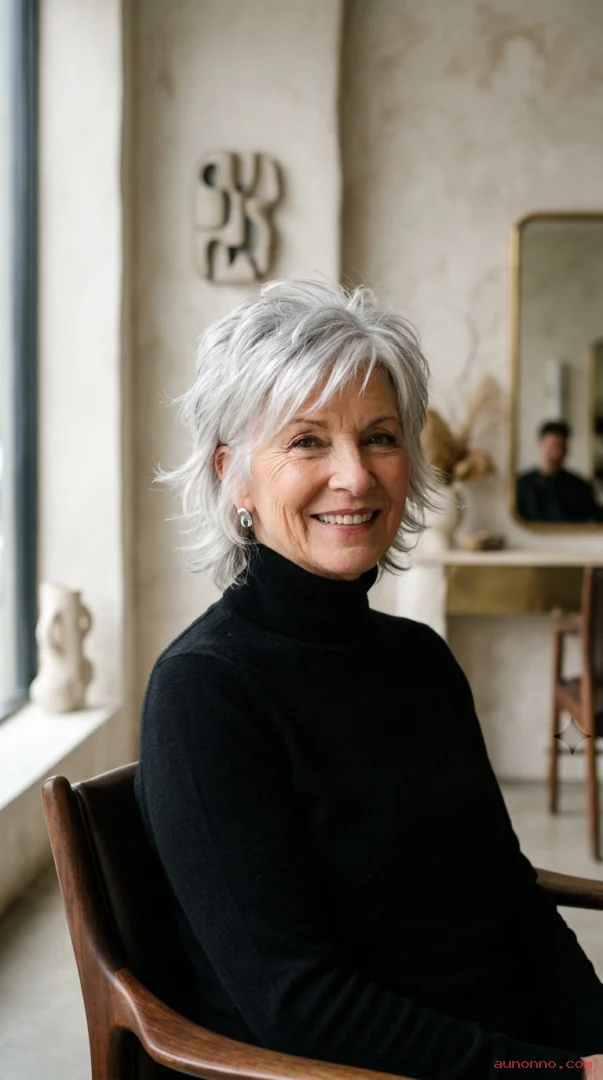
Shag haircuts give senior women plenty of ways to enjoy movement, texture, and a fresh shape without choosing a stiff or overly polished style.
This collection of 25 shag haircuts for senior women covers short, medium, and longer looks, along with options for straight, wavy, curly, fine, and thick hair.
Soft Feathered Shag for Silver Hair
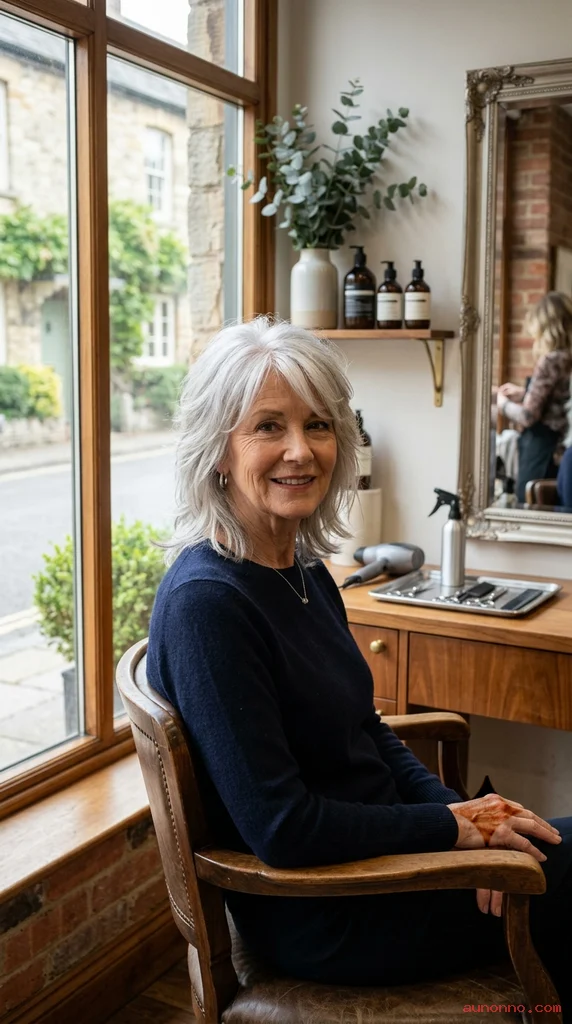
A soft feathered shag uses light layers around the crown and cheekbones to create gentle movement in silver hair. The ends stay airy instead of blunt, so the cut feels modern and relaxed.
Ask the stylist to keep the top layers blended rather than sharply choppy. A round brush, a small amount of lightweight mousse, and a quick lift at the roots can bring out the shape.
This look suits women who want visible texture without a dramatic haircut. It works especially well on medium-density hair that has natural bend or a softly smooth finish.
Chin-Length Shag With Side-Swept Bangs
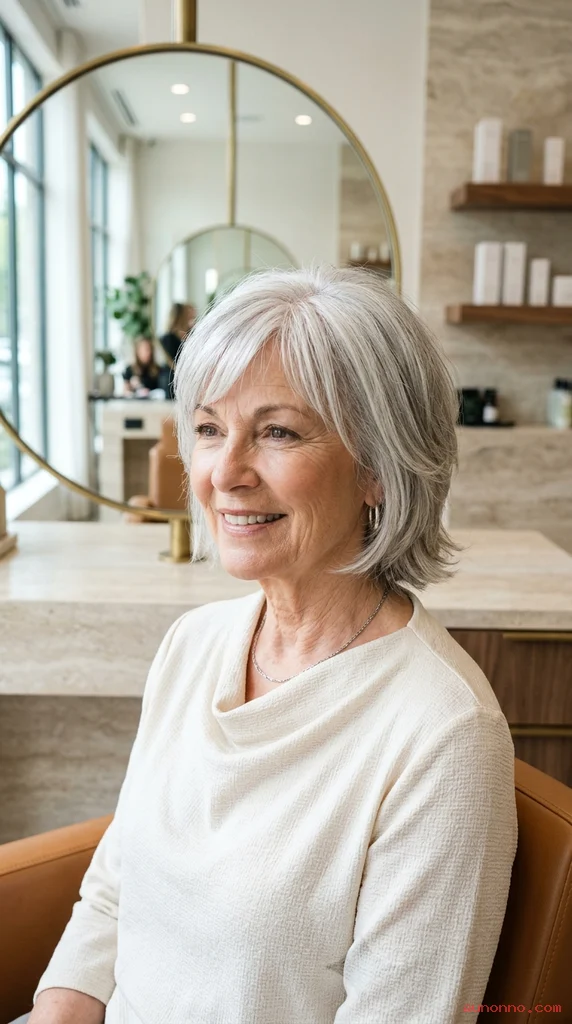
A chin-length shag creates a lively bob-like silhouette while keeping the broken-up layers that define a shag. Side-swept bangs soften the forehead and draw attention toward the eyes.
The lower edge can follow the jawline with slightly uneven ends for a casual finish. Shorter crown layers add lift, while the side pieces prevent the cut from looking too round.
This style is a useful choice for women who like short hair but do not want a severe crop. Blow-dry the bangs across the forehead, then tousle the layers with your fingers.
Short Pixie Shag With Piecey Layers
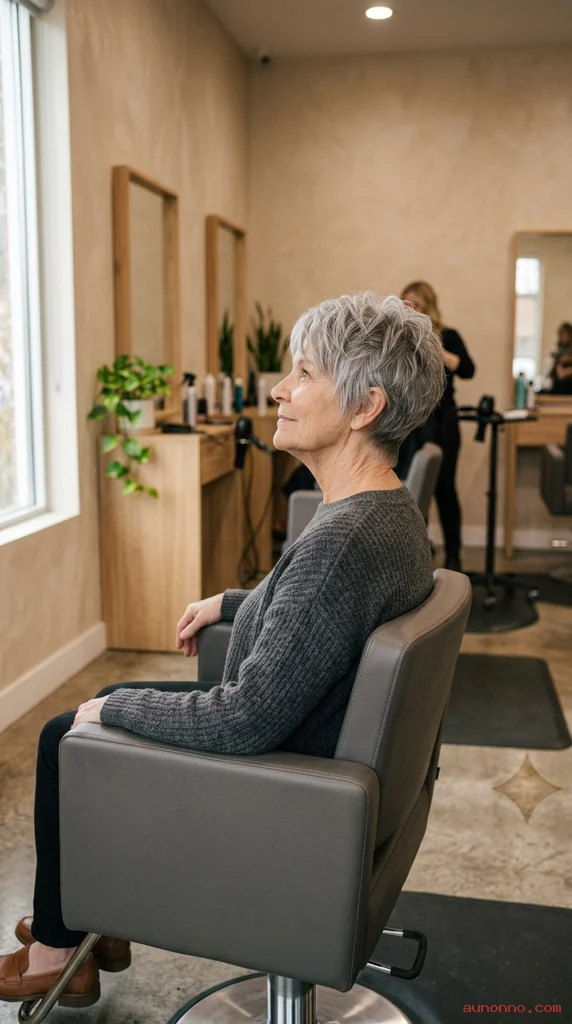
A pixie shag combines a compact cut with textured layers at the crown and nape. Piecey ends give the hairstyle personality while keeping the overall shape light and easy to wear.
The stylist can leave a little length through the top for styling flexibility. A pea-sized styling paste helps separate the ends without making fine hair look heavy.
This haircut suits women who prefer a wash-and-style routine with a bold edge. It also frames glasses well because the sides can stay neat around the temples.
Collarbone Shag With Curtain Bangs
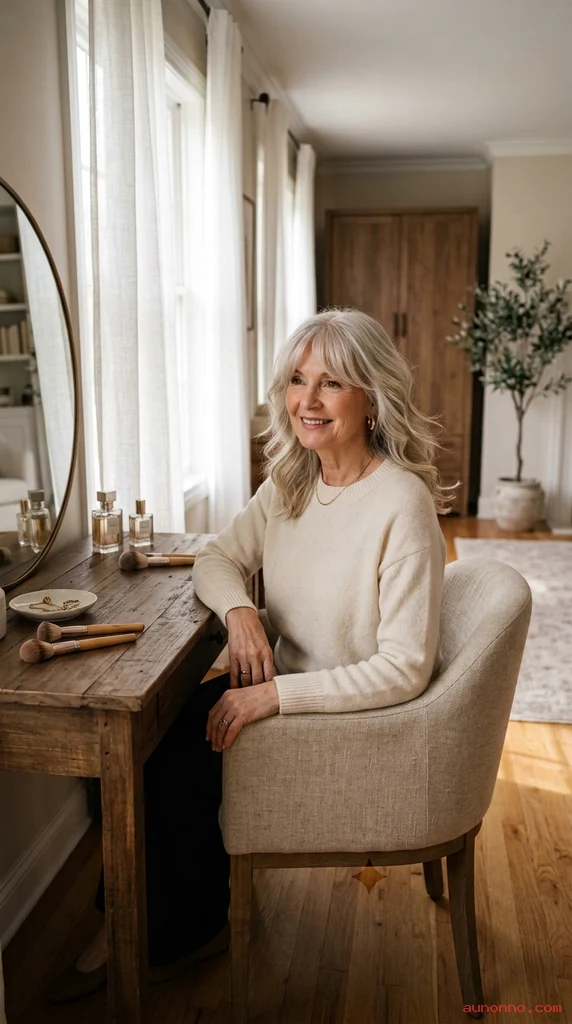
A collarbone shag offers a balanced length that rests near the shoulders without becoming difficult to manage. Curtain bangs open at the center and blend into face-framing layers.
Longer layers preserve enough weight for a graceful drape, while crown layers add lift. The ends look best with a soft bend or loose wave rather than a perfectly straight finish.
This option works for women who want a noticeable change without going very short. Use a large round brush on the bangs and let the remaining layers air-dry with a light texturizing cream.
Wavy Shoulder-Length Shag
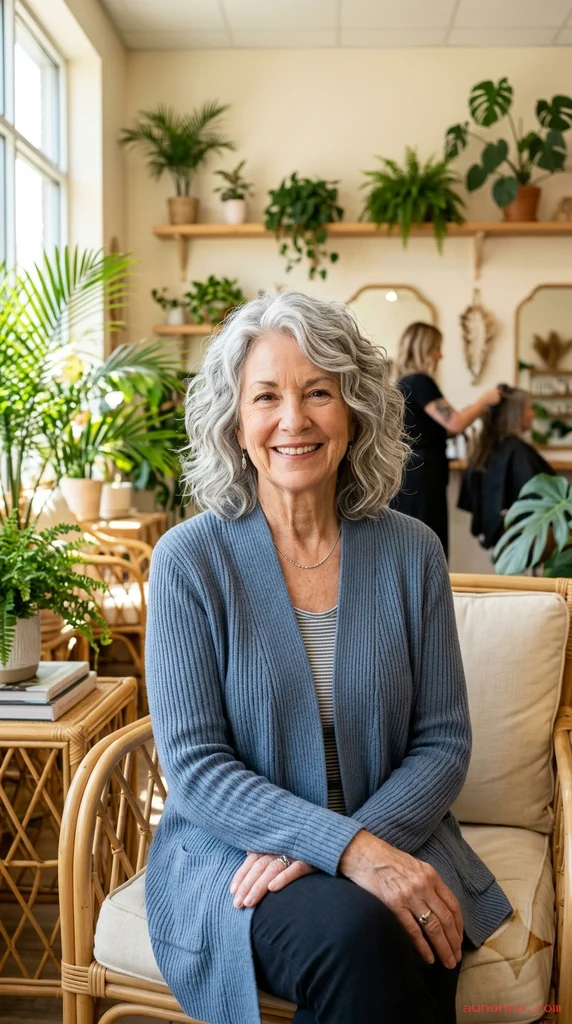
A shoulder-length shag brings out natural waves through staggered layers and a softly tapered perimeter. The shape looks full at the crown and relaxed through the ends.
A stylist should remove bulk carefully so the waves do not puff outward. Scrunching damp hair with curl cream can define the pattern while preserving a touch of softness.
This is one of the most versatile shag haircuts for senior women because it suits many face shapes and personal styles. A side part can make the cut look fuller on one side.
Curly Shag With Rounded Volume
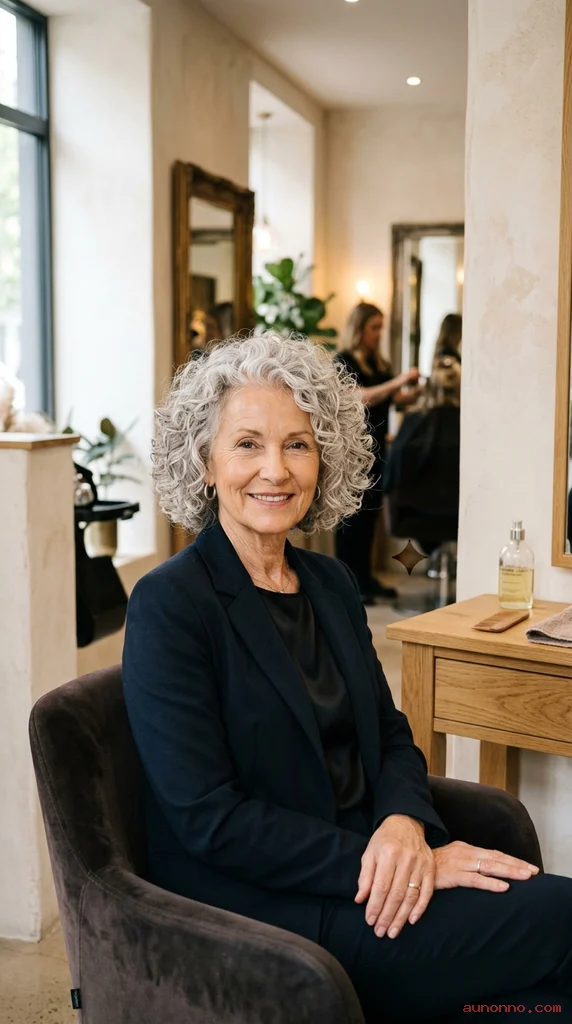
A curly shag uses curved layers to create a rounded silhouette that follows the natural shape of curls. The haircut lets curls sit freely instead of forcing them into a flat, narrow outline.
The cut should be shaped on dry or curl-patterned hair when possible. This helps the stylist judge shrinkage and place layers at lengths that support the finished style.
Choose a moisturizing gel or curl cream to control frizz and keep the curls springy. Regular trims help maintain the rounded shape without sacrificing length.
Fine Hair Shag With Crown Lift
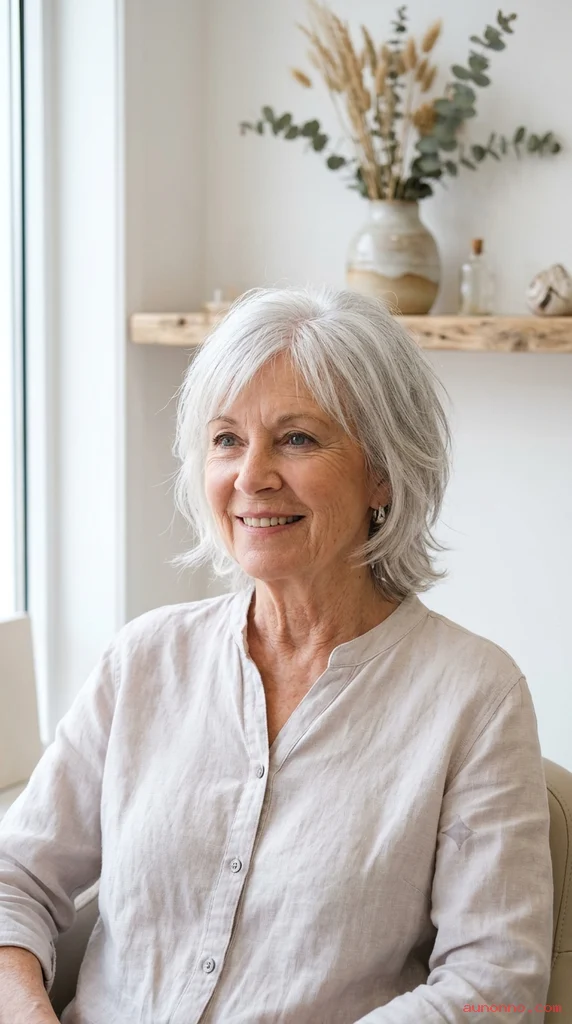
A fine hair shag focuses on strategic layers that create the appearance of lift without thinning the ends too much. Short, blended crown pieces can make the top look more buoyant.
The perimeter should remain fairly full so the hair does not appear wispy. A root-lifting spray and a light blow-dry can add body without leaving a stiff finish.
This haircut is ideal for women who want texture but need to protect the visual density of their hair. Keep styling products light and apply them mainly near the roots and mid-lengths.
Thick Hair Shag With Debulked Ends
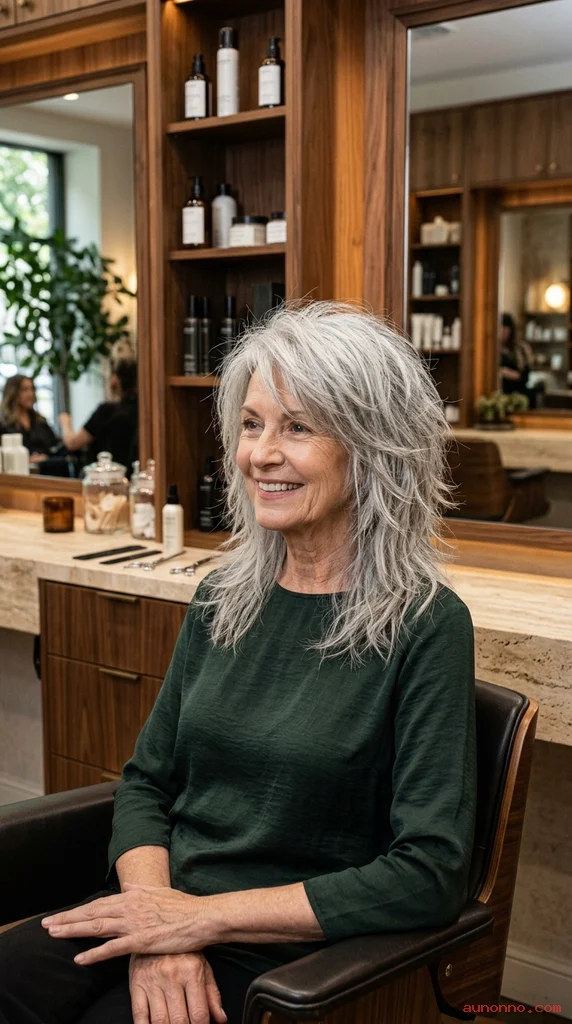
A thick hair shag uses internal layers to reduce heaviness while preserving a strong outer shape. The ends can be softened with controlled texturing instead of aggressive thinning.
Longer pieces around the face help the haircut fall smoothly as the bulk is removed. The crown should retain enough weight to prevent an overly triangular profile.
This style makes dense hair feel lighter and more mobile. A smoothing cream followed by air-drying or a low-heat blow-dry can keep the layers defined.
Shaggy Bob With Wispy Bangs
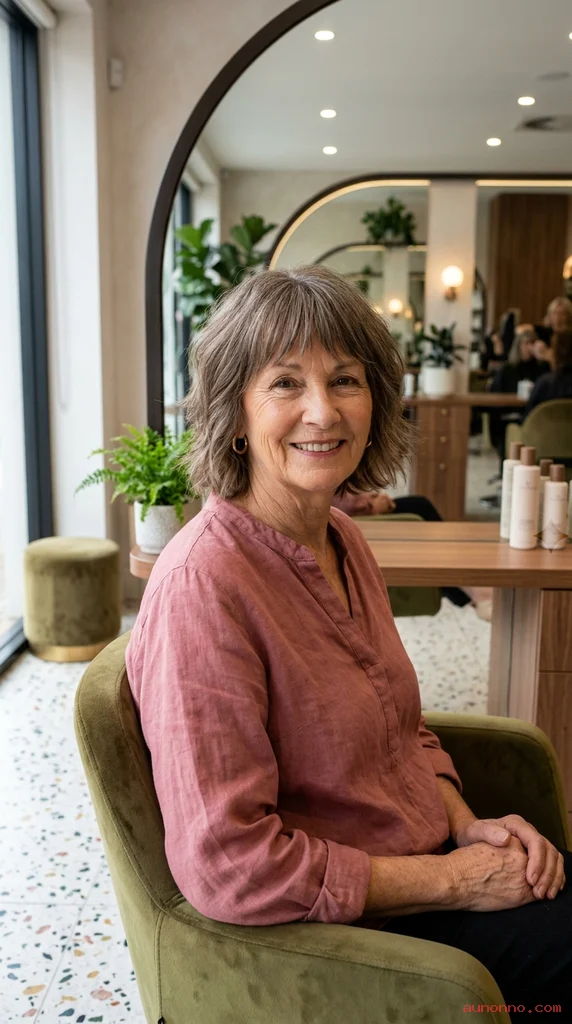
A shaggy bob blends the compact outline of a bob with feathered layers and wispy fringe. The result feels polished enough for everyday wear but still has a playful, undone quality.
Keep the bangs light so they do not hide the eyes or require heavy styling. The bob can sit at the jaw or just below it, depending on the desired amount of movement.
This cut is a strong match for women who want a shorter style with softness around the face. Use a small curling iron only on a few outer pieces to create easy separation.
Long Shag With Face-Framing Layers
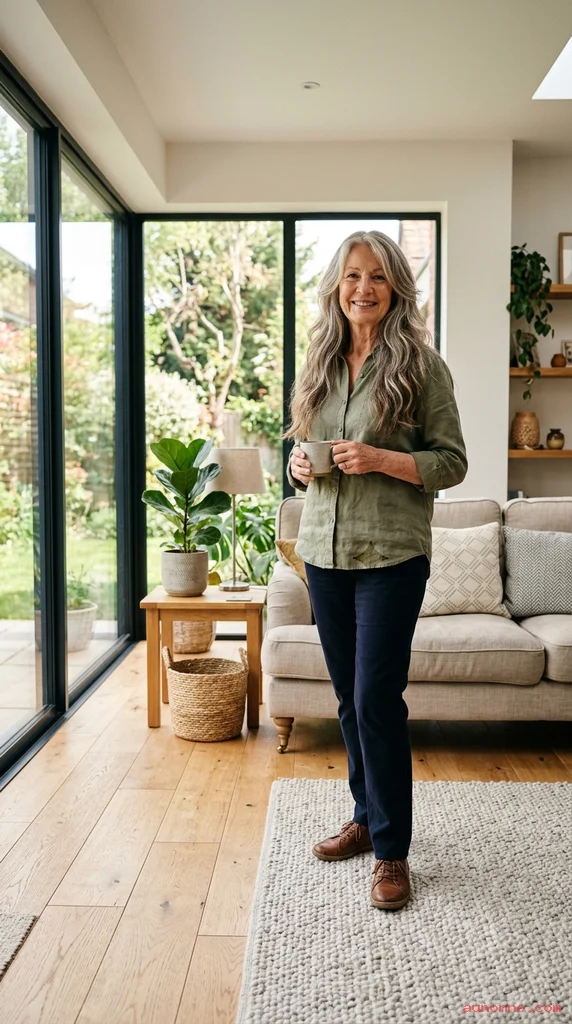
A long shag keeps the main length below the shoulders while adding graduated layers around the face and crown. The cut creates movement without asking the wearer to give up long hair.
Face-framing pieces can begin near the cheekbones, jaw, or chin. The best starting point depends on the features the wearer wants to highlight and the amount of styling she enjoys.
This option suits women with medium or thick hair that still feels healthy at longer lengths. Apply a heat protectant before adding loose waves, or let the layers fall naturally for a softer effect.
Silver Shag With Choppy Crown Layers
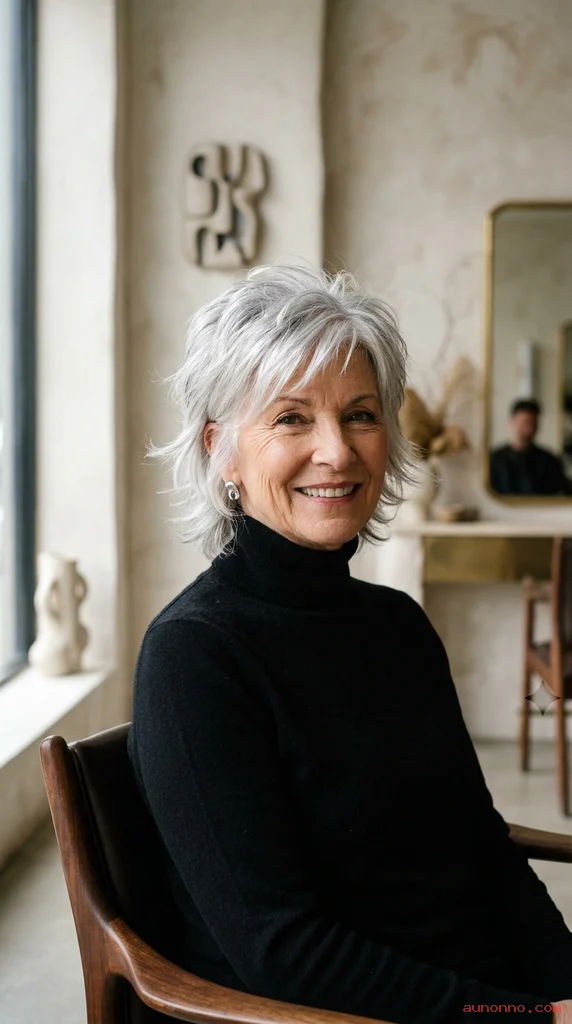
Choppy crown layers give silver hair a contemporary shape with visible texture and lift. The contrast between a softly tapered side and a lively crown keeps the style from looking flat.
The layers should vary in length but still connect smoothly through the sides. A matte texture spray can emphasize the ends while preserving the natural brightness of silver strands.
This haircut suits a confident wearer who enjoys a modern finish. It needs only a few minutes of finger styling after washing, making it practical for busy mornings.
Layered Shag With Blended Gray Highlights
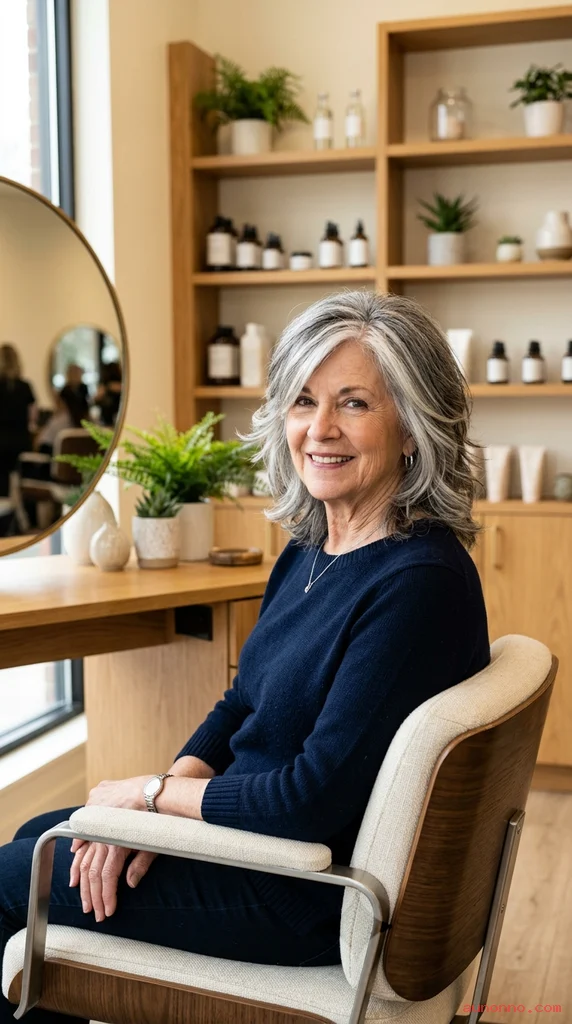
A layered shag can show off the natural variation between gray, white, and darker strands. The layers catch the light and make the color dimension more noticeable.
Keep the cut soft around the temples and neckline for a graceful transition. Face-framing layers can add brightness near the eyes without requiring a strong color contrast.
This look is helpful for women growing out color or embracing a naturally blended tone. A clear gloss or nourishing conditioner can keep the strands smooth and reflective.
Asymmetrical Shag With Sweeping Fringe
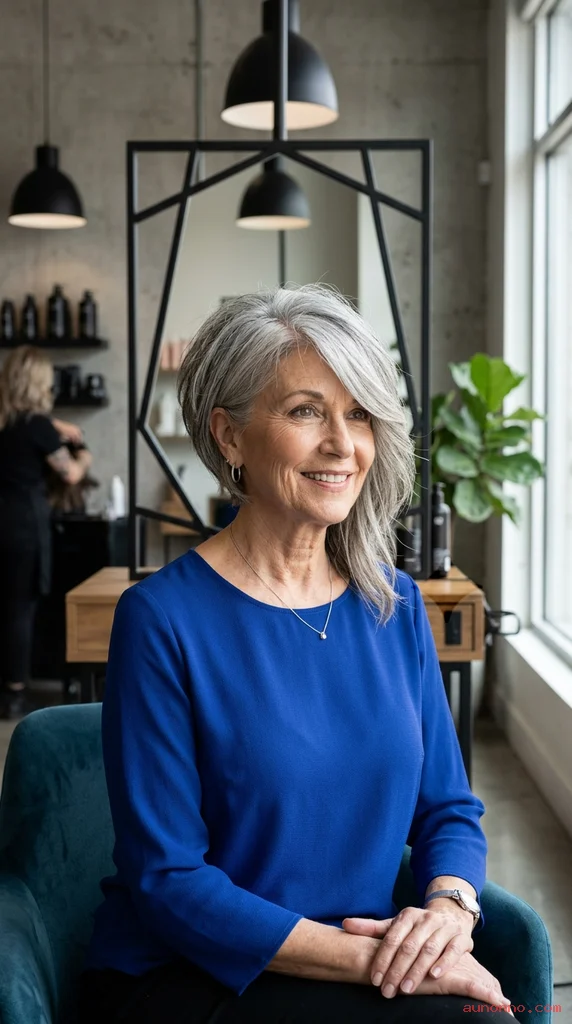
An asymmetrical shag has slightly more length on one side, creating a distinctive shape without becoming difficult to wear. A sweeping fringe reinforces the diagonal movement across the face.
The difference in length can be subtle or pronounced, depending on personal comfort. Keep the shorter side close to the cheek and ear for a clean contrast with the fuller side.
This style works well for women who want an artistic haircut with everyday practicality. Blow-dry the fringe in its intended direction and use a flexible spray to hold the sweep.
Shaggy Lob With Bottleneck Bangs
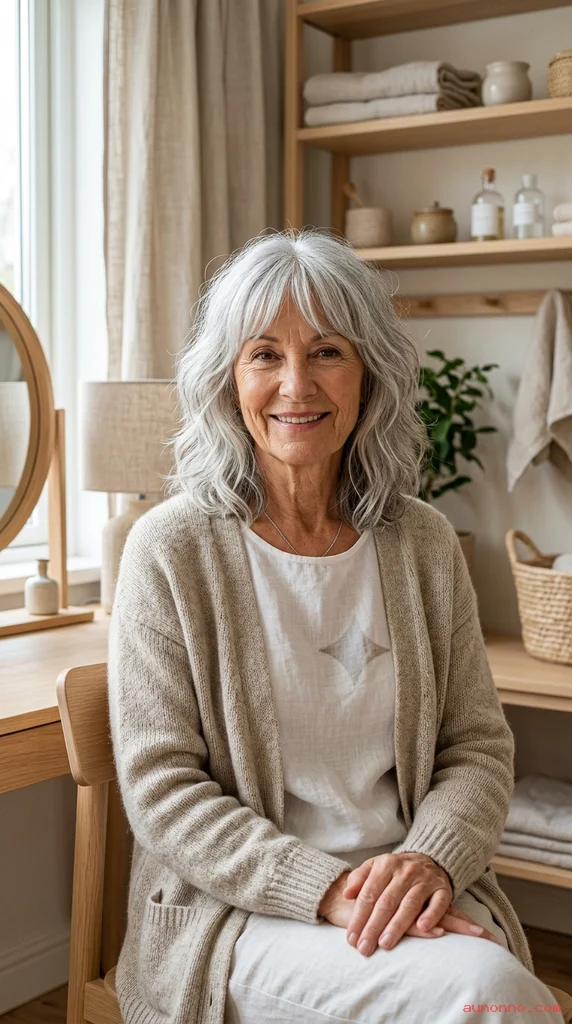
A shaggy lob falls between the chin and collarbone, giving the wearer useful length with a manageable outline. Bottleneck bangs are narrower at the center and widen into cheekbone-framing pieces.
The layers should create movement through the middle and ends while keeping the lob from losing its shape. A center part gives a balanced finish, while a loose side part adds extra volume.
This haircut suits women who like a current look that still feels mature and refined. It can be worn smooth, softly waved, or air-dried with a touch of texture cream.
Tousled Shag for Straight Hair
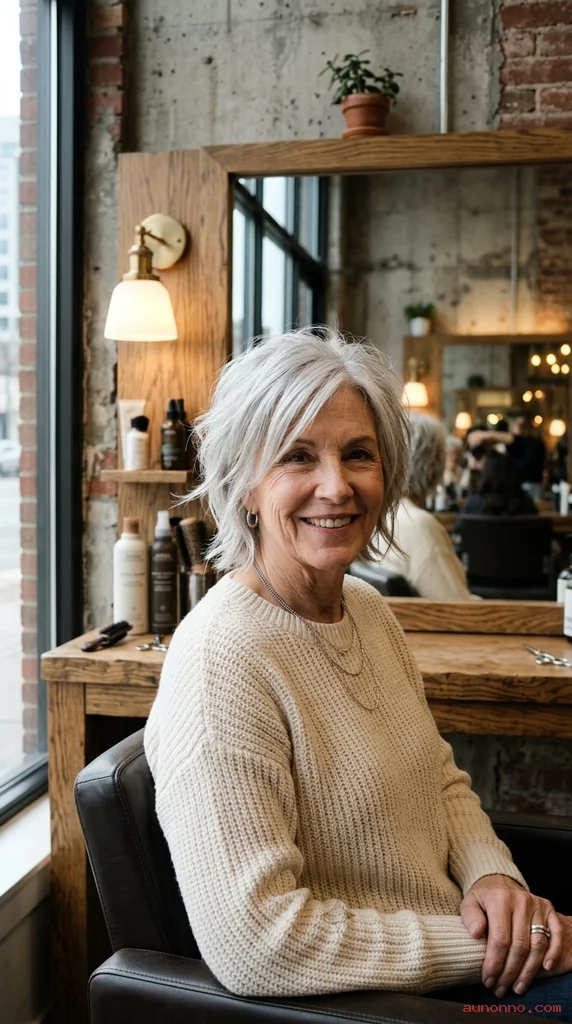
Straight hair can support a shag when the layers are designed to create bends and separation. The cut relies on varied lengths rather than natural curl to build visual movement.
Ask for light texturing at the crown and ends, with face-framing pieces that do not become too thin. A flat iron can add a slight bend to selected sections for a relaxed finish.
This look is best for women who enjoy a deliberately tousled style. Dry shampoo or a dry texture spray can add grip and keep the layers from falling completely flat.
Soft Shag for Round Faces
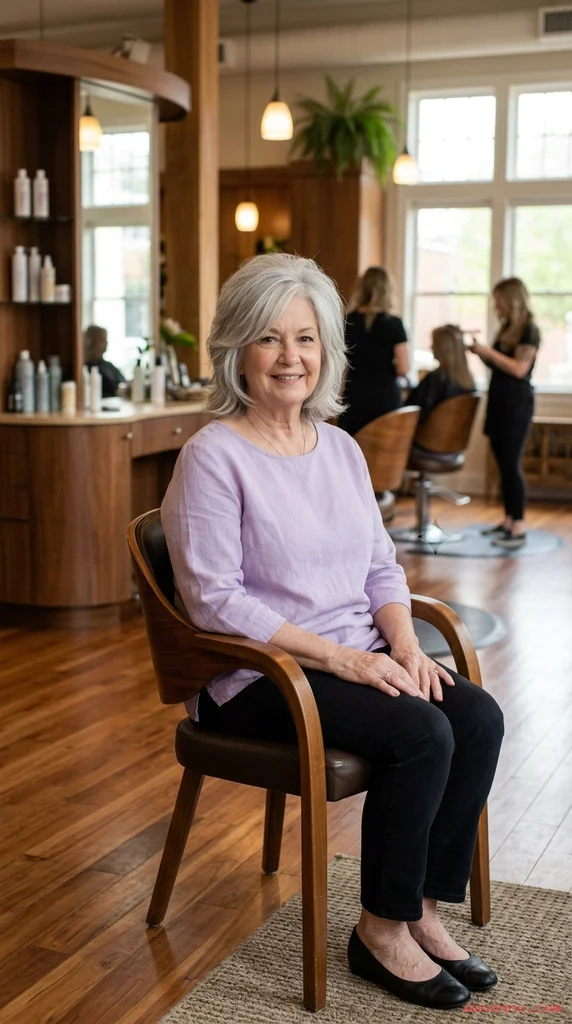
A soft shag for a round face uses vertical movement to lengthen the appearance of the overall silhouette. Layers that begin below the cheekbones can keep the sides from adding unnecessary width.
A lifted crown and longer face-framing strands guide the eye upward and downward. Avoid placing heavy volume directly beside the cheeks if a slimmer visual line is preferred.
This haircut remains gentle rather than overly angular. A side part, swept fringe, and softly flipped ends can bring balance to the finished shape.
Face-Framing Shag for Oval Faces
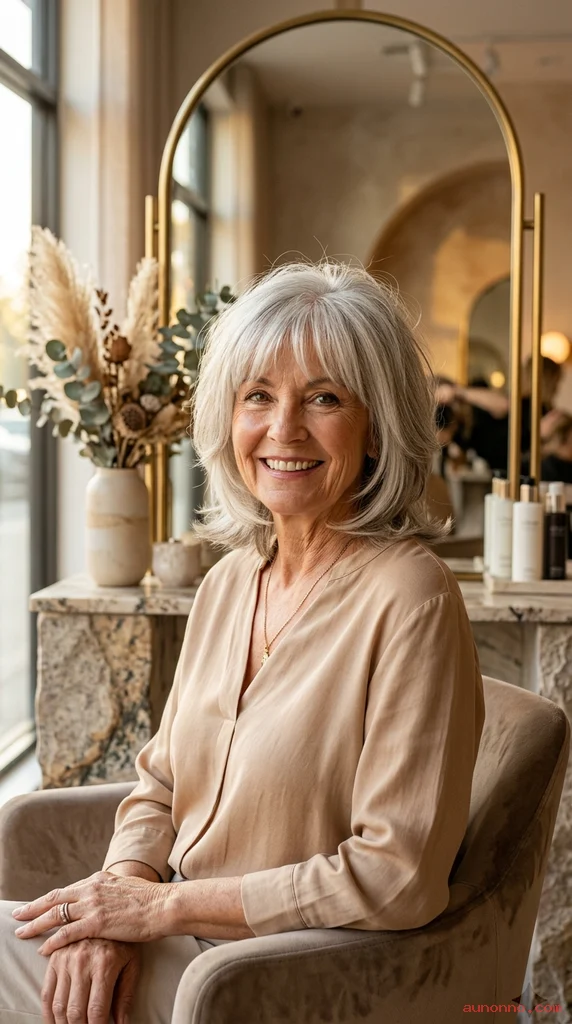
An oval face can carry many shag variations, from a short layered crop to a longer shoulder-skimming cut. Face-framing layers help the haircut feel tailored instead of simply textured.
The first layer can sit near the cheekbone or chin to highlight the preferred feature. Bangs are optional, and a center part can show the balance of the face.
This style gives the wearer room to choose a personal finish. Smooth the front pieces for a refined look, or tousle the crown for a more casual mood.
Jaw-Length Shag for Heart-Shaped Faces
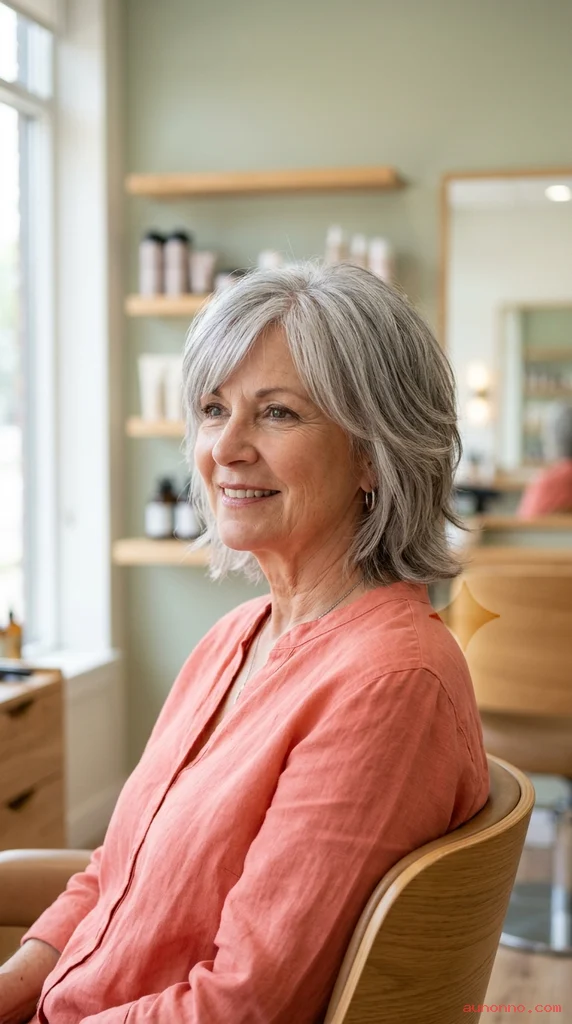
A jaw-length shag adds fullness near the lower half of the face while keeping the crown light. This balance can complement a narrower chin and broader forehead.
Soft side bangs or curtain fringe can reduce emphasis on the upper face. The jawline should remain textured but not so thin that the ends lose their supportive shape.
This haircut feels fresh and easy to personalize. A small amount of volumizing foam at the sides can help the lower layers sit away from the face.
Shag With Brow-Grazing Fringe
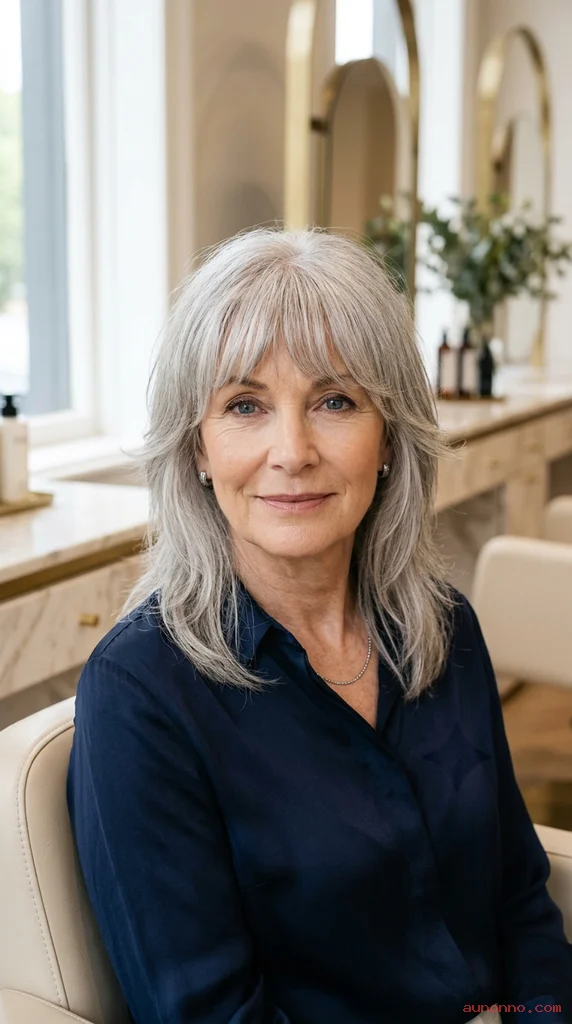
Brow-grazing fringe gives a shag haircut a strong focal point while the layers keep the rest of the shape light. The fringe can be full in the center and feathered toward the temples.
The length should be checked when the hair is dry because shrinkage and natural texture can change the final position. A small round brush helps create a smooth curve without flattening the crown.
This choice suits women who enjoy a defined fringe and regular trims. Use a lightweight cream on the ends to prevent the bangs from appearing dry or separated.
Shag With Tapered Nape
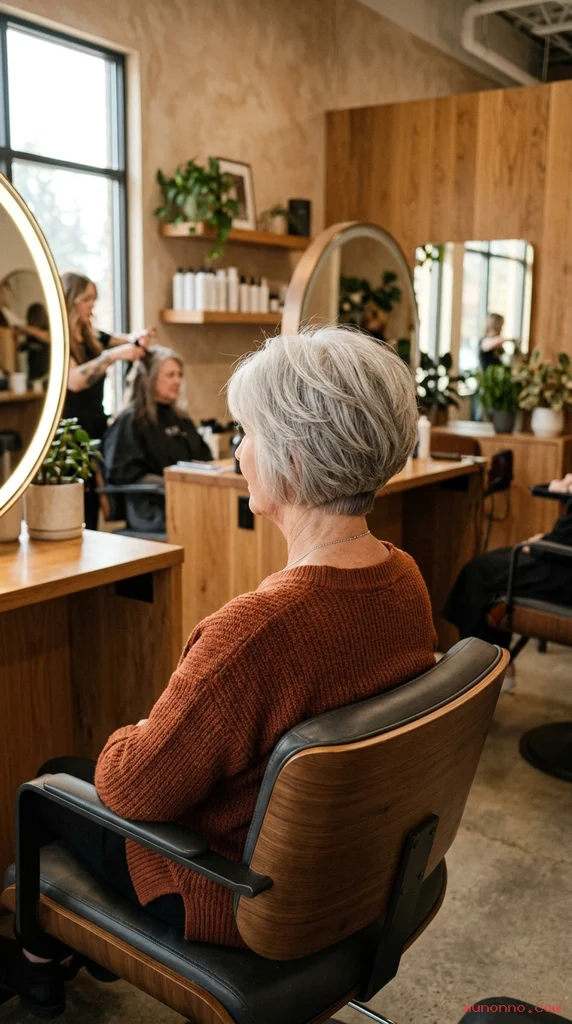
A tapered nape gives a shag haircut a clean finish at the back of the neck. The shorter area supports layers above it and keeps the silhouette from looking bulky.
The crown and sides can remain textured while the neckline stays neat. This contrast works particularly well on short and medium shag styles.
Choose this cut if you like a tidy outline with a relaxed top. The nape may need more frequent shaping than the longer layers to maintain its crisp appearance.
Wash-and-Wear Short Shag
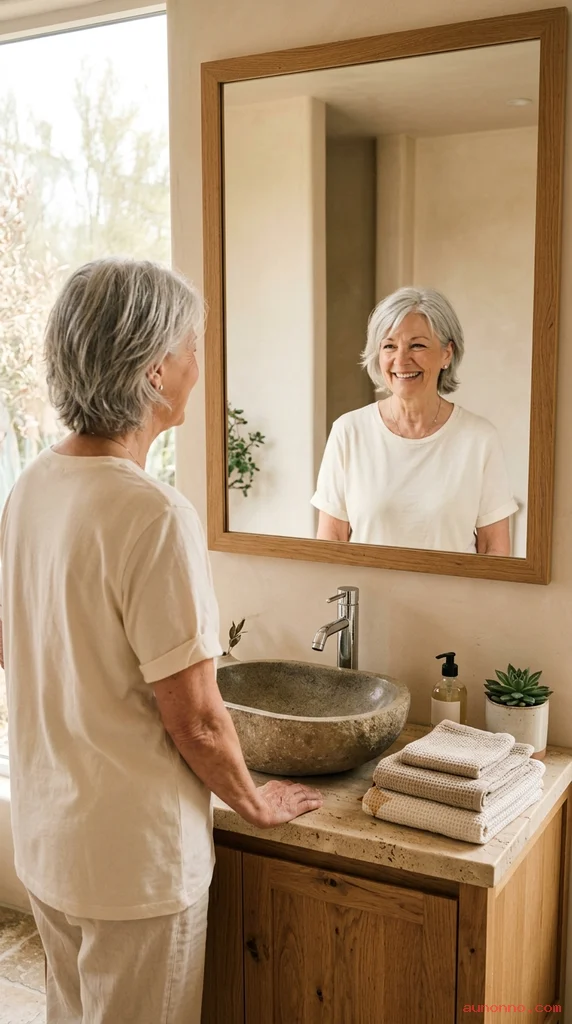
A wash-and-wear short shag is built around the wearer’s natural texture and an uncomplicated daily routine. The layers should fall into place with minimal brushing or heat styling.
The stylist can customize the cut for straight, wavy, or curly hair by adjusting the layer spacing. A leave-in conditioner or light styling lotion may be enough to finish the look.
This haircut is practical for women who value comfort and speed. It still has enough texture to look intentional rather than unfinished.
Soft Mullet-Inspired Shag
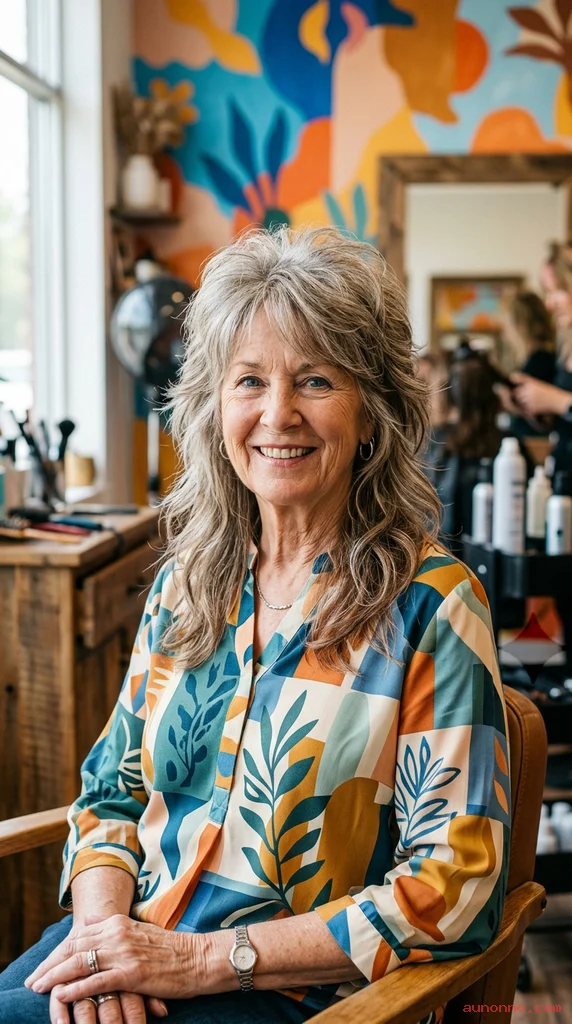
A soft mullet-inspired shag keeps the layered energy of a shag while making the length difference between the front and back more subtle. The crown is lively, and the back has a gentle extension.
Face-framing layers soften the front so the style does not feel harsh. The neckline can be feathered instead of sharply disconnected for a more graceful finish.
This look suits women who want a fashion-forward haircut with a wearable shape. A small amount of styling wax can separate the crown and show the layered pattern.
Side-Parted Shag With Lifted Roots
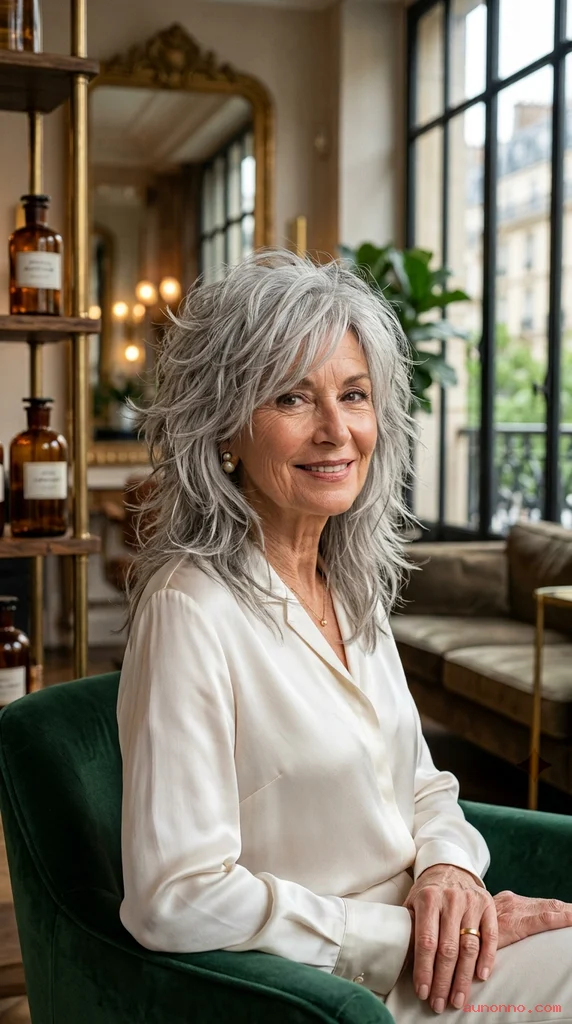
A side-parted shag creates instant asymmetry and can make the crown appear fuller. The part placement can change the mood of the cut without changing its basic length.
Ask for layers that support the chosen part rather than falling heavily across it. Blow-dry the roots in the opposite direction first, then sweep them back into place.
This version works well for fine to medium hair and for women who enjoy flexible styling. Keep the ends soft so the lifted top remains the main feature.
Feathered Medium Shag With Flipped Ends
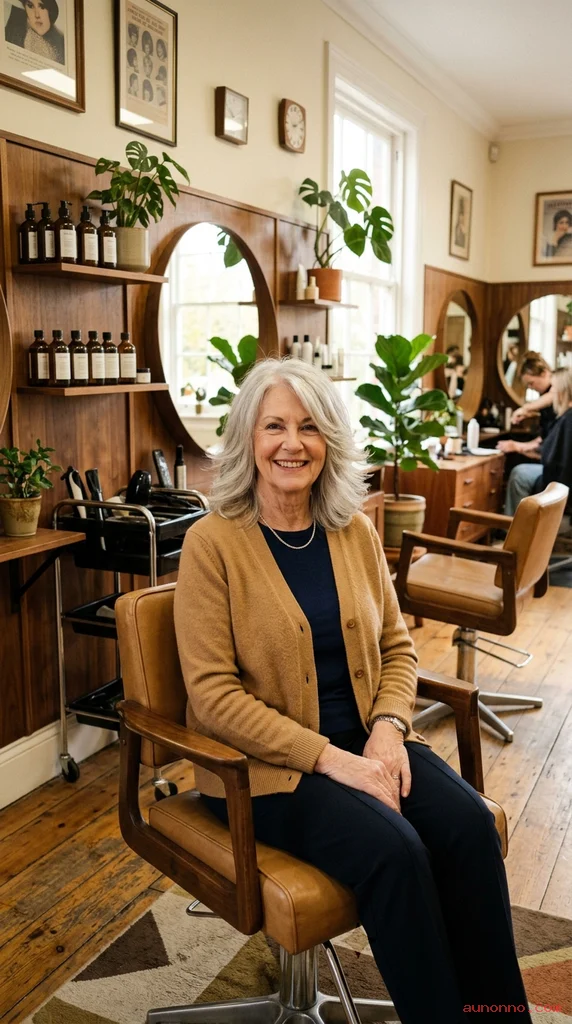
A feathered medium shag uses smooth, outward-turning ends to create a polished retro influence. The layers remain light and mobile, so the style avoids looking like a solid pageboy cut.
The ends can be flipped with a round brush or a medium curling iron. Use heat protection and keep the bend loose for a modern finish rather than a stiff curl.
This haircut is a good fit for women who enjoy classic beauty with extra movement. It works at shoulder length or slightly above the collarbone.
Textured Shag With Subtle Undercut
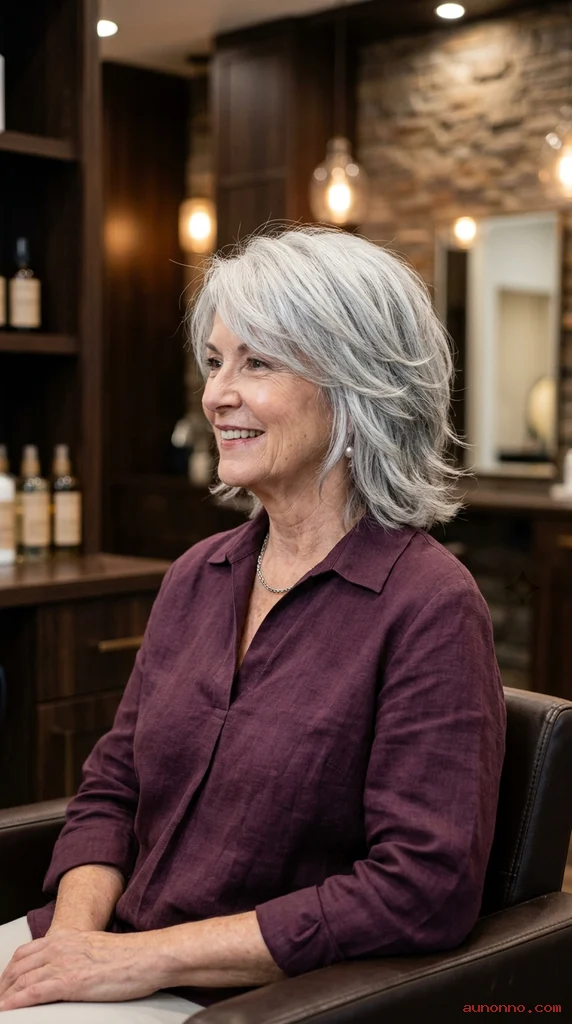
A subtle undercut removes a small amount of hidden weight beneath the top layers while keeping the visible shag soft. The technique can make dense hair easier to manage without changing the outer length.
The undercut should remain discreet and well blended into the sides and crown. A stylist can adjust its size to match the thickness and texture of the hair.
This option is useful for women who want a lighter feel but do not want visibly short sides. Wear the top tousled to reveal the texture, or smooth it for a quieter finish.
What makes a shag haircut flattering for senior women?
A shag haircut can be flattering because it combines movement, face-framing layers, and a shape that can be customized to hair texture. The most suitable version depends on density, natural wave, preferred length, and daily styling habits.
Are shag haircuts suitable for fine hair?
Yes, a shag can work well on fine hair when the layers are carefully placed and the ends are not over-thinned. Crown lift, a fuller perimeter, and lightweight styling products help preserve the appearance of density.
Can senior women wear a shag with glasses?
Yes, shag haircuts can pair nicely with glasses. Keeping the temple area neat and choosing bangs that do not crowd the frames can make the style comfortable and balanced.
What is the easiest shag haircut to maintain?
A short wash-and-wear shag, a soft pixie shag, or a simple shoulder-length shag can be easy to maintain. The best choice is one that follows the hair’s natural texture and does not depend on daily heat styling.
How often should a shag haircut be trimmed?
Trim timing depends on the length, fringe, and neckline. Short styles and brow-length bangs need more frequent shaping, while longer shag layers can keep their look for a longer period between appointments.
Can a shag haircut work with naturally curly hair?
Yes, curly hair can look excellent in a shag when the layers respect the curl pattern and account for shrinkage. Curl-focused products and careful drying help the shape stay rounded, defined, and soft.
How can silver hair look polished in a shag haircut?
Silver hair looks polished when the ends stay conditioned and the layers are blended into a clear silhouette. A purple-toned shampoo may help manage unwanted yellow tones, while a nourishing conditioner supports softness and shine.
Choosing the Right Shag Haircut for Senior Women
The best shag haircut for senior women matches the wearer’s hair texture, face shape, preferred length, and comfort with styling. Short pixie shags offer easy upkeep, medium cuts provide flexible movement, and long layered versions preserve length while adding shape.
Consider the placement of the face-framing layers, the amount of crown lift, and the finish at the neckline before choosing a cut. Take a few reference photos to the salon and ask the stylist to adapt the shape to your natural texture rather than copying the style exactly.