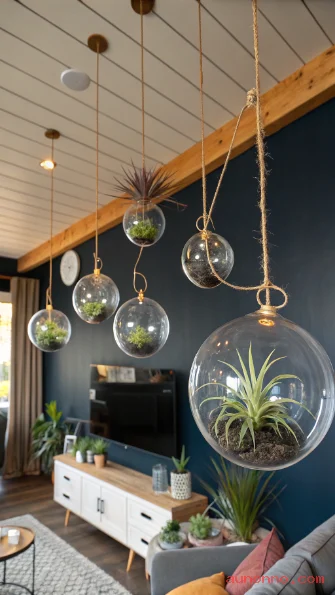
If you are looking for a simple way to breathe life into your living space, hanging plants indoor ideas are exactly what you need.
A single trailing vine or a cluster of lush ferns suspended from the ceiling can turn a plain room into something that feels alive.
This guide covers 30 creative ways to hang plants indoors, so you can find the right fit for your space, your style, and your plant care routine.
Macramé Plant Hangers in the Living Room
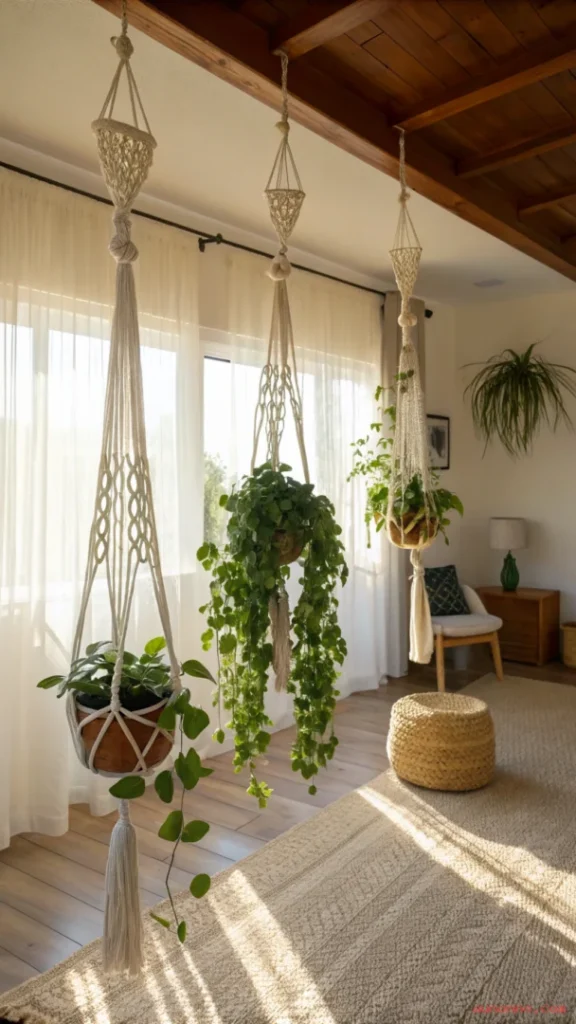
Macramé plant hangers bring a handcrafted, bohemian feel to any living room wall or ceiling. They come in a wide range of knot patterns, lengths, and natural fiber tones that complement both modern and rustic interiors. A single golden pothos or trailing philodendron tucked inside one of these woven holders adds instant warmth to the room.
You can hang them at varying heights to create a layered, gallery-style plant display. Grouping three macramé hangers together near a window creates a beautiful focal point that doubles as a conversation starter.
They are widely available at home décor shops, but handmade ones from local artisans or craft markets feel especially personal. The natural jute or cotton rope pairs perfectly with wooden furniture and earthy color palettes.
Hanging Glass Terrariums
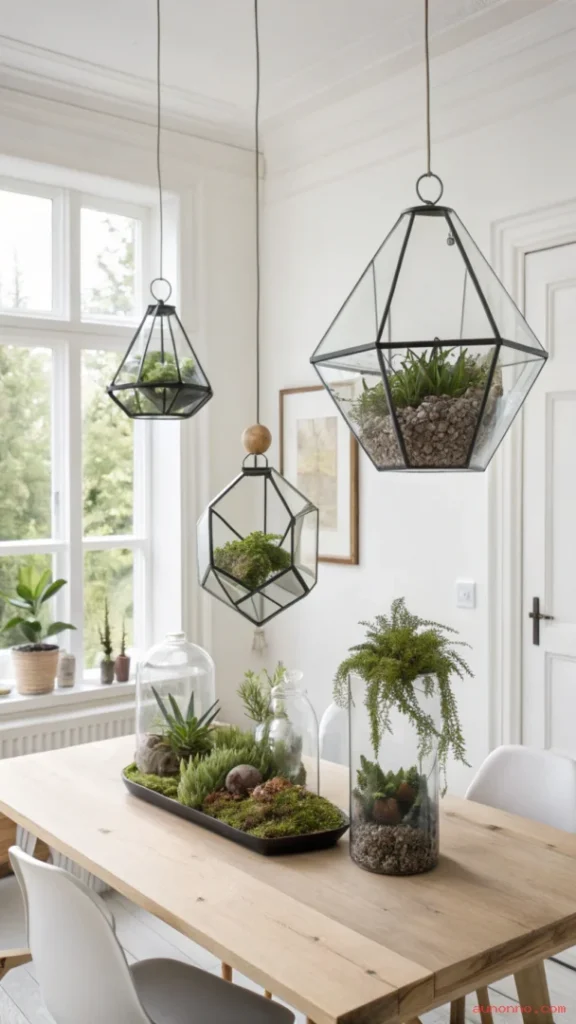
Glass terrariums suspended from the ceiling or a curtain rod bring a geometric, modern edge to indoor plant displays. They work especially well with air plants, succulents, and small moss arrangements that thrive with minimal watering. The transparent walls let light filter through in a way that makes the plants look almost sculptural.
You can hang a single large teardrop terrarium as a statement piece above a dining table or reading nook. Alternatively, a cluster of small geometric glass terrariums at different heights creates a dramatic, jewel-like ceiling installation.
These low-maintenance setups suit busy plant owners because air plants need only a quick mist every week or two. The clean lines of the glass also make them a good match for minimalist or Scandinavian-style interiors.
Ceiling-Mounted Wooden Dowel Displays
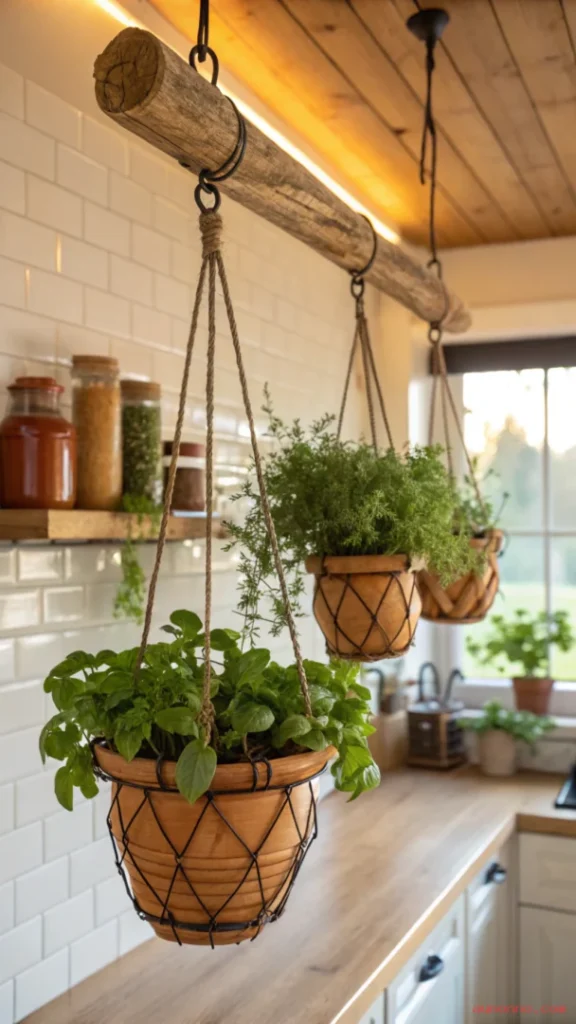
A simple wooden dowel mounted horizontally from the ceiling becomes a stunning natural plant bar when you hang several plants from it. You can attach small hooks along the dowel and use simple jute twine or leather cord to suspend different pots at varying lengths. This approach works especially well with herbs, small trailing ferns, and compact pothos varieties.
The wooden dowel display is one of the most affordable hanging plant ideas you can build yourself in a single afternoon. A piece of thick birch or driftwood adds even more character than a standard hardware-store dowel.
This display style works beautifully in kitchens where fresh herbs like basil, mint, and thyme hang within easy reach while cooking. It also suits studio apartments where vertical space is precious and every inch of the ceiling can be used creatively.
Hanging Wicker Baskets
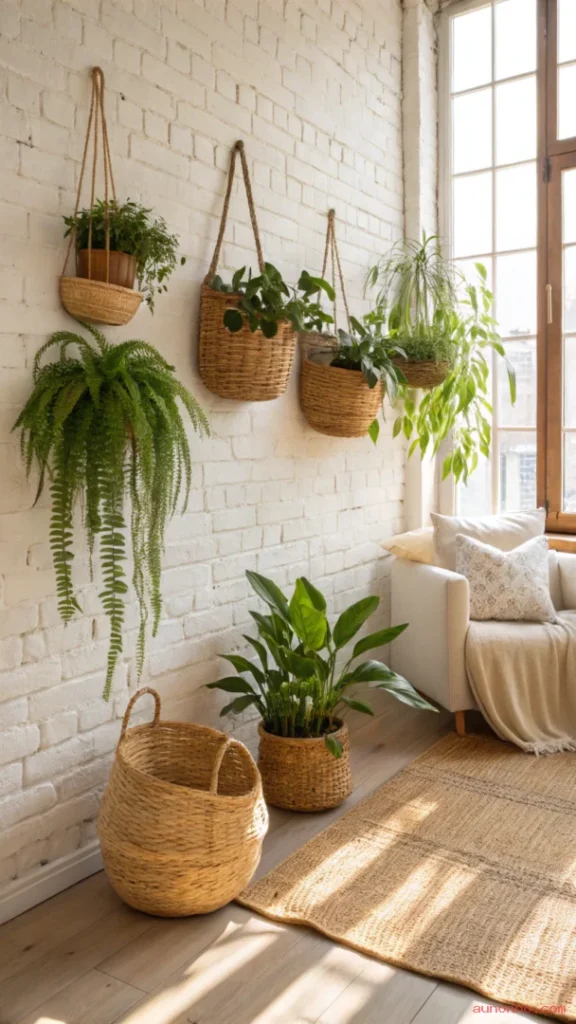
Wicker and rattan hanging baskets offer a natural, textured look that suits tropical and boho-inspired interiors perfectly. They are sturdy enough to hold medium-sized plants like peace lilies, ferns, and spider plants, and they add a warm, organic feel to bare walls or high ceilings. The open weave of the basket also allows for some airflow around the roots, which many plants appreciate.
You can find wicker hanging baskets in various shapes — round, oval, and elongated — so mixing a few different styles together creates a collected, layered look. A wall of hanging wicker baskets filled with different shades of green is a simple way to create an indoor garden feature without using floor space.
Lining the inside of the basket with a coco liner or a small plastic pot keeps the soil from falling through and protects the wicker from moisture damage. This small step extends the life of the basket and keeps the display looking tidy for longer.
DIY Rope Shelf Plant Hangers
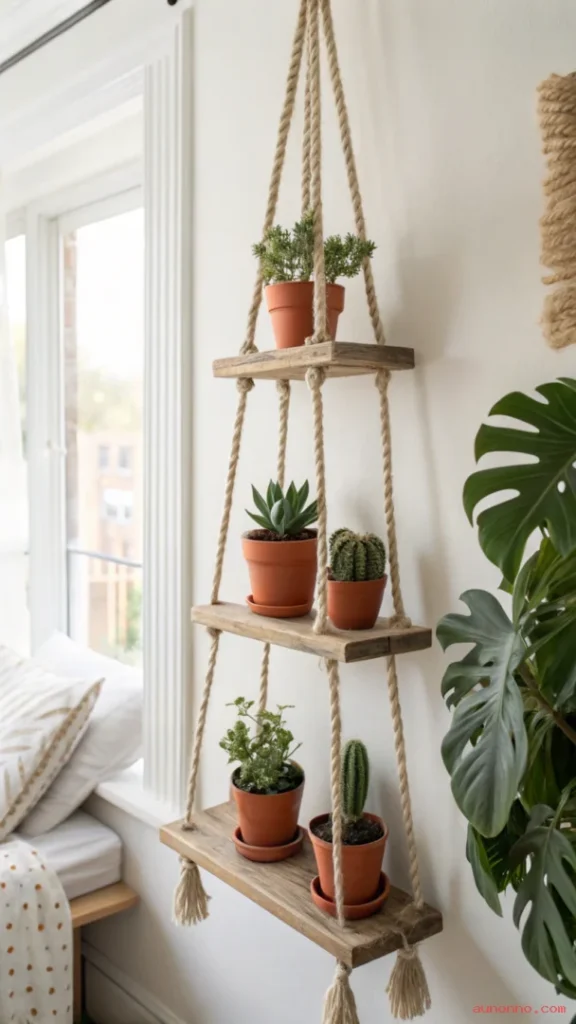
A rope shelf plant hanger is essentially a small suspended wooden shelf held up by four lengths of thick rope. It gives you a flat surface to set multiple pots on rather than threading a single plant through a hanger. This is a great option for people who want to display a curated collection of small succulents, cacti, or trailing plants together in one organized spot.
You can stack two or three rope shelves at different heights on the same anchor point to create a vertical plant ladder effect. Each shelf can hold a different plant family — succulents on top, trailing vines in the middle, and leafy tropicals at the bottom.
The wood plank can be stained, painted, or left natural to match your room’s aesthetic. Cedar, pine, and walnut all work beautifully and hold up well in humid indoor environments near windows.
Hanging Planters in the Bathroom
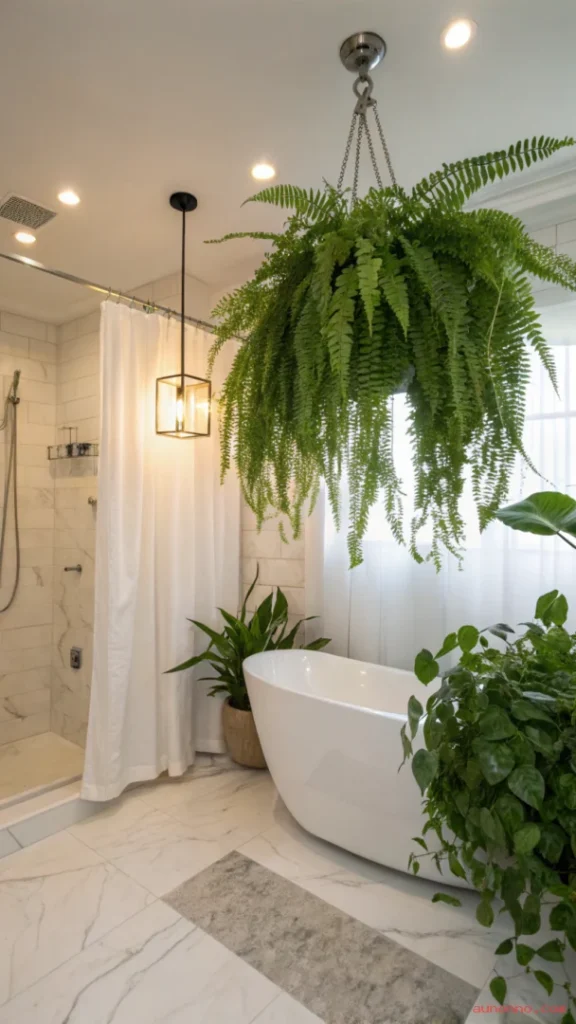
The bathroom is one of the most underused spaces for indoor plants, yet it offers warm, humid conditions that many tropical plants absolutely love. Hanging a plant from the shower rod, a towel hook on the back of the door, or a small ceiling hook above the bathtub turns a sterile bathroom into a spa-like retreat. Boston ferns, orchids, and golden pothos all thrive in the high-humidity environment that bathrooms naturally provide.
A lush fern hanging near the shower absorbs excess moisture and helps regulate the room’s humidity. It also releases oxygen, which makes your morning shower feel fresher and more invigorating.
Choose a water-resistant hanging pot or line any basket with a plastic insert to protect it from moisture. Light-colored ceramic or white woven rope hangers keep the look clean and spa-inspired.
Hanging Herb Garden in the Kitchen
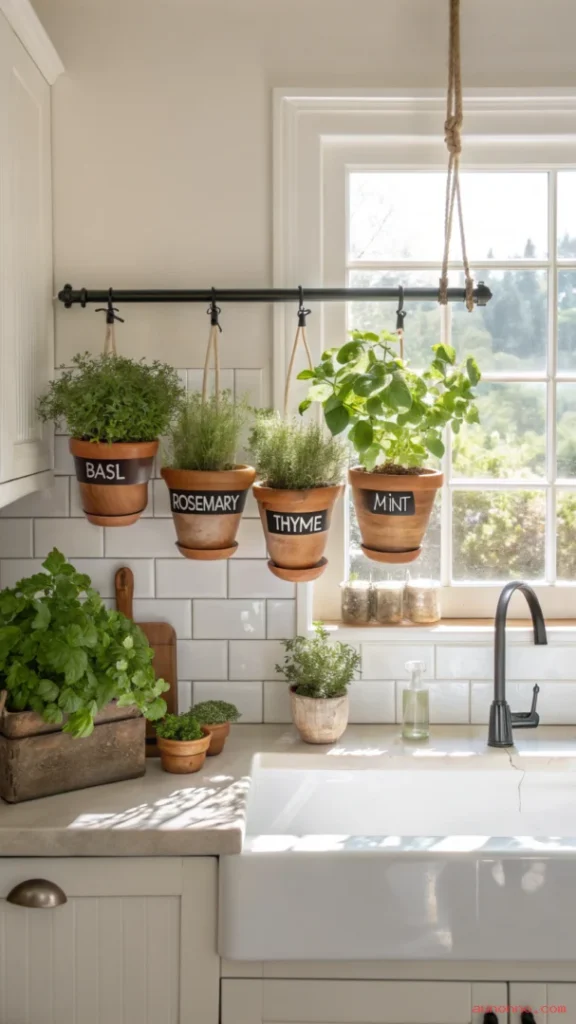
A hanging herb garden in the kitchen is one of the most practical hanging plant indoor ideas you can try. Fresh basil, rosemary, thyme, mint, and parsley hang at arm’s reach above the counter, making meal prep faster and more flavorful. Small terracotta pots, tin cans, or even repurposed mason jars all work well as herb containers.
Mount a horizontal rod, a repurposed wooden ladder, or a simple metal pipe above your kitchen window and attach small S-hooks to hang each herb pot from. The natural light near the window keeps the herbs healthy and productive throughout the year.
Label each pot with a small chalkboard tag so guests and family members can easily identify which herb is which. This small detail adds a charming, organized look to the kitchen display.
Trailing Pothos in a High Shelf Hanger
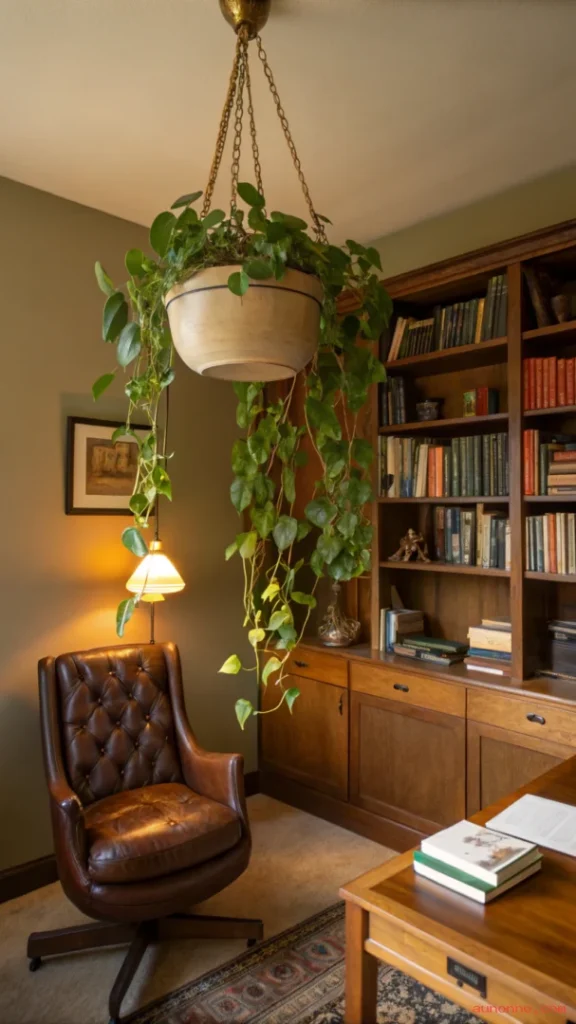
Pothos is one of the easiest and most rewarding plants for hanging displays because its vines can grow several feet long over time. When placed in a hanger near a high shelf or close to the ceiling, the vines naturally cascade downward in long, dramatic curtains of heart-shaped leaves. The golden pothos variety adds a bright pop of variegated yellow and green, while the marble queen pothos brings a more subtle, silvery green look.
You can guide the trailing vines along a wall using small adhesive hooks, letting the plant create a living wall effect as it grows. This takes almost no effort beyond the occasional watering and gives the room a lush, jungle-like atmosphere over time.
Pothos thrives in low to medium light, which means it works well in darker rooms or hallways that don’t receive direct sun. It also filters common indoor air pollutants, making it one of the most functional plants you can hang indoors.
Spider Plant Hanging Displays
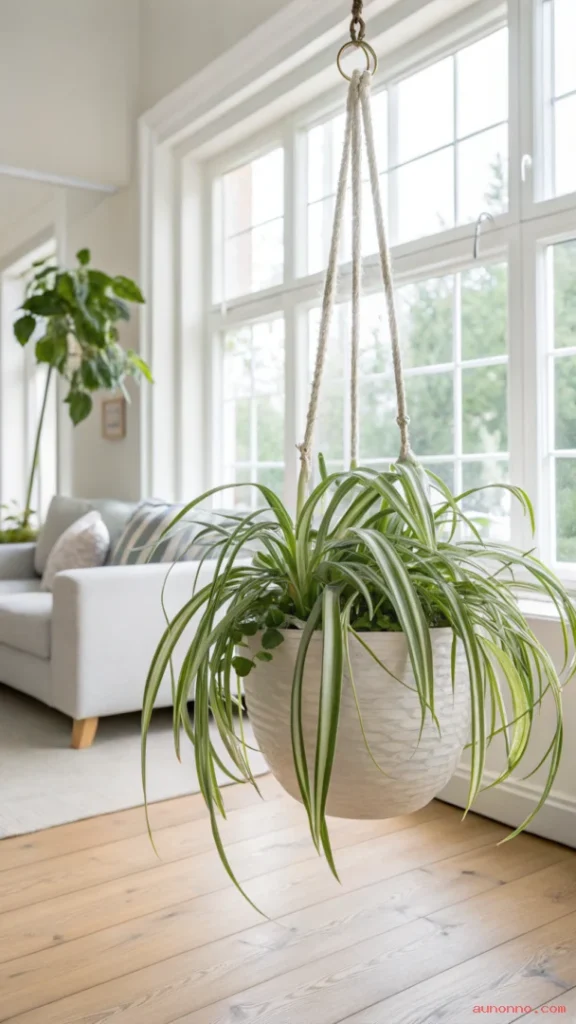
Spider plants are one of the most classic choices for hanging indoor planters, and for good reason. Their arching green-and-white striped leaves spill gracefully over the sides of any pot, and they produce small “spiderette” offshoots that dangle on long stems like tiny satellites. This gives the plant a constantly dynamic, layered look as it matures.
Spider plants are nearly indestructible, making them a perfect choice for beginners or anyone who doesn’t have a consistent plant care routine. They tolerate irregular watering, low humidity, and indirect light without complaint.
Hang them in a bright spot near a window for the fastest growth and the most striking leaf variegation. A simple white ceramic or woven hanging pot shows off the arching leaf structure without competing for visual attention.
String of Pearls in a Minimalist Hanger
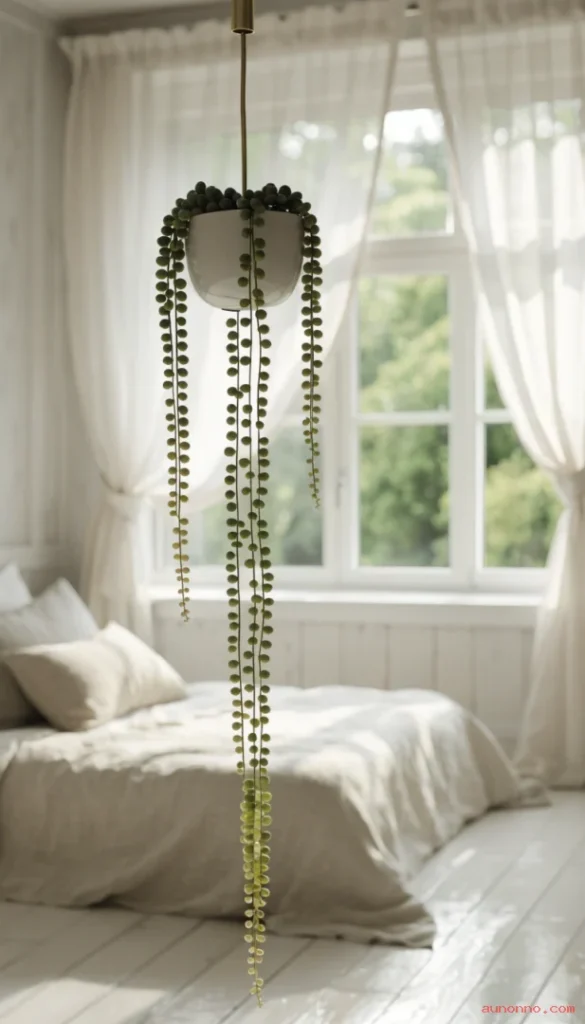
String of pearls is a succulent that looks like nothing else in the plant world — its round, bead-like leaves trail down in long, delicate strings that can reach over three feet. Hanging this plant in a simple minimalist pot lets the unusual leaf shape become the entire visual statement. A small matte black, white, or natural terracotta pot works perfectly as the vessel.
This plant loves bright, indirect light and needs very little water, making it one of the lowest-maintenance hanging plants you can choose. Overwatering is the main mistake people make with string of pearls, so letting the soil dry out completely between waterings is key.
Place it near a bright south or east-facing window where it gets plenty of light without harsh direct afternoon sun burning its delicate leaves. A single string of pearls plant in a simple hanging pot looks effortlessly stylish in a minimalist or Japandi-style room.
Boston Fern in a Traditional Hanging Basket
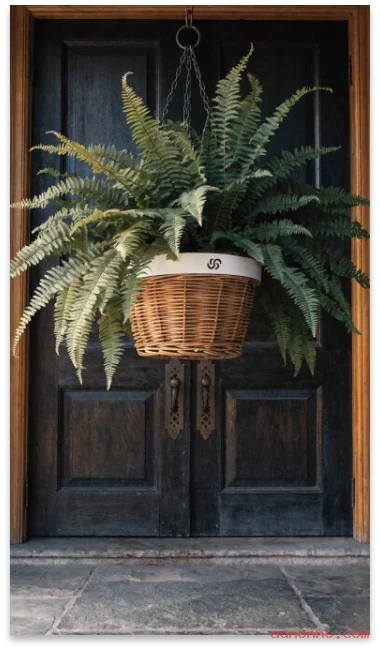
Boston fern is one of the most iconic hanging plants of all time, and it earns that reputation with its full, feathery fronds that arch gracefully over the sides of any pot. A large, mature Boston fern in a traditional wire or wicker hanging basket creates an immediate impression of lush, old-world elegance. It suits front porches, sunrooms, and living rooms equally well.
Boston ferns love humidity and indirect light, so they do best near a window that gets bright but filtered light throughout the day. Misting the fronds a few times a week or placing a small tray of water nearby helps keep the humidity level high enough for healthy growth.
The key to keeping a Boston fern thriving indoors is consistent moisture — the soil should never fully dry out. A self-watering hanging pot insert takes the guesswork out of the watering schedule and keeps the fern looking lush year-round.
Air Plant Tillandsia Displays
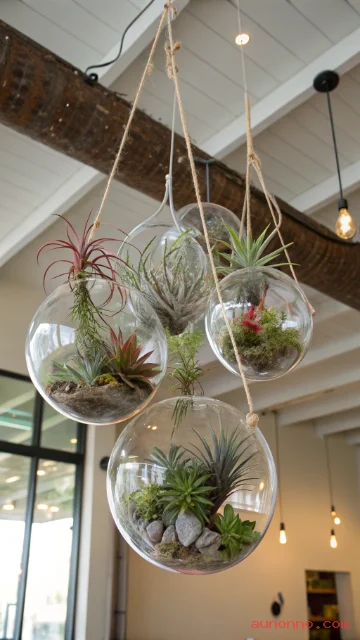
Air plants are some of the most creatively versatile plants for indoor hanging displays because they need no soil at all. You can place them in open glass globes, hang them from driftwood, wire them onto sculptural metal frames, or nestle them inside seashells or geodes. This freedom makes them the ideal plant for people who love unusual, artistic plant arrangements.
Tillandsia, the genus name for air plants, absorbs water and nutrients directly through its leaves rather than through roots. This means you water them by misting or briefly dunking them in water every one to two weeks, then letting them dry completely before displaying them again.
Group several different Tillandsia species together in a cluster of hanging glass orbs for a striking, airy ceiling installation. Mixing sizes and shapes — spiky, curly, and rosette-form varieties — creates a natural-looking botanical collection that draws the eye upward.
Hanging Succulents in Colorful Ceramic Pots
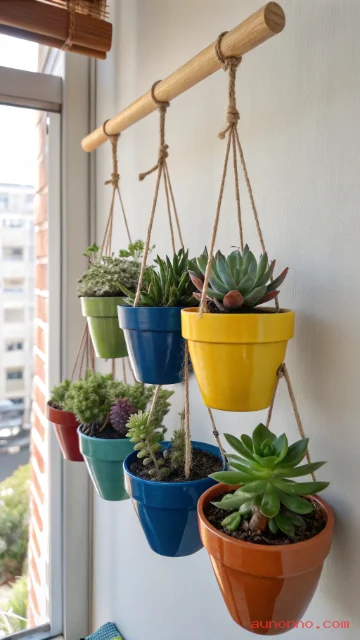
Succulents are one of the best plants for indoor hanging displays because they stay compact, require very little water, and come in an enormous range of colors, textures, and shapes. Pairing them with brightly colored or hand-painted ceramic hanging pots turns each plant into a small piece of art. Choose pots in terracotta, cobalt blue, sage green, or mustard yellow to create a playful, maximalist display.
You can cluster five or six hanging ceramic pots together on a ceiling grid or wooden rod, each holding a different succulent variety. Echeveria, haworthia, aloe vera, and sedum all work well in shallow hanging ceramic pots and thrive in bright indoor light.
Ensure the ceramic pots have a drainage hole and use a well-draining cactus mix so water doesn’t sit at the roots. Hang them near a south-facing window where they get at least four to six hours of bright light per day.
Hanging Planters in the Home Office
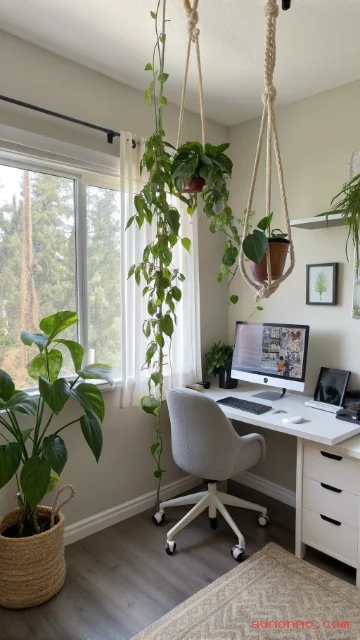
A home office with hanging plants feels more creative, calmer, and more productive than one without them. Research consistently shows that plants in work environments reduce stress and improve focus, so adding a few hanging planters to your home office setup is a smart investment. Low-maintenance varieties like pothos, heartleaf philodendron, or a small ZZ plant work well in office conditions.
Position a hanging planter near a window where you can enjoy the greenery while you work without it blocking natural light from your workspace. A trailing pothos hung behind your monitor or desk can create a beautiful green backdrop for video calls.
Choose muted, neutral-toned pots — matte white, charcoal, or natural rope — to keep the office look professional and distraction-free. A simple hook screwed into a ceiling beam or a tension rod across a window frame gives you a secure anchor point without any permanent installation.
Hanging Planter Walls Using Multiple Hooks
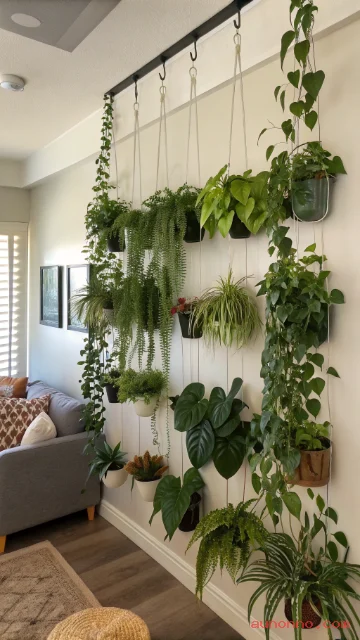
A hanging planter wall is one of the most dramatic ways to bring indoor hanging plants ideas to life on a large scale. You install multiple ceiling or wall hooks in a grid pattern and hang plants of different sizes, textures, and colors from each one. The result is a living wall that covers an entire section of the room in green without requiring a single built-in planter box.
This approach works beautifully in living rooms, dining rooms, and entryways where a single statement wall can transform the entire feel of the space. Use a mix of trailing plants, bushy plants, and sculptural plants to create visual variety and depth across the arrangement.
Stagger the hook heights so some plants hang lower and others stay closer to the ceiling, creating a natural, layered canopy effect. Plants like heartleaf philodendron, string of hearts, spider plant, and Boston fern all work well together in a mixed hanging planter wall.
Hanging Planters on a Curtain Rod
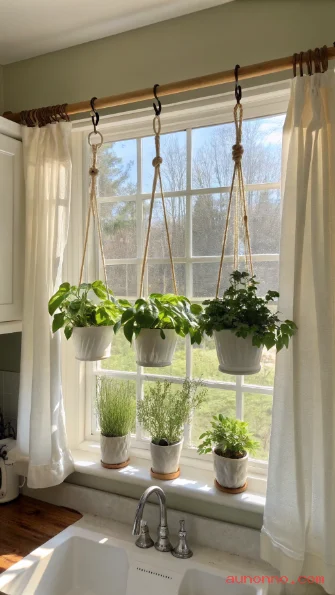
Using an existing curtain rod as a hanging structure for plants is one of the cleverest and most renter-friendly hanging plant ideas available. You simply clip S-hooks over the curtain rod and hang small pots or woven plant hangers from them. This works especially well on large window curtain rods where the plants can bask in the light directly in front of the glass.
Herbs, trailing vines, and small ferns all do well on a window curtain rod because they get consistent, bright indirect light throughout the day. You can mix ornamental trailing plants with functional herbs so the window display is both beautiful and practical.
Change out the plants seasonally to keep the window display fresh and aligned with the time of year. This setup requires zero drilling and leaves no permanent marks, making it one of the best solutions for renters.
Hanging Planter Clusters Above the Dining Table
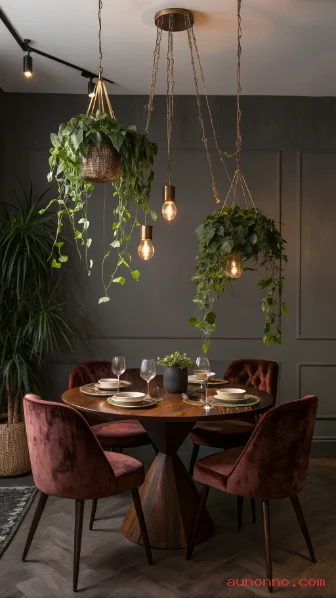
Hanging a cluster of plants directly above the dining table creates an intimate, garden-party atmosphere that makes every meal feel special. Replace a standard light fixture with a cluster of hanging planters combined with pendant lights, or position the plants just beside the light for a layered, organic canopy effect. Trailing plants like pothos, heartleaf philodendron, and string of hearts work best here because their vines frame the table without dropping leaves into the food.
Make sure any plants above a dining table are firmly secured and that the hanging pots have proper drainage inserts to prevent water from dripping during watering. A waterproof saucer inside each hanging pot solves this problem completely.
Keep the plants pruned so the vines don’t grow so long that they interfere with conversation or candlelight at the table. A well-maintained hanging cluster above the dining table is one of the most elegant and unexpected room features you can create.
Hanging Ferns in the Entryway
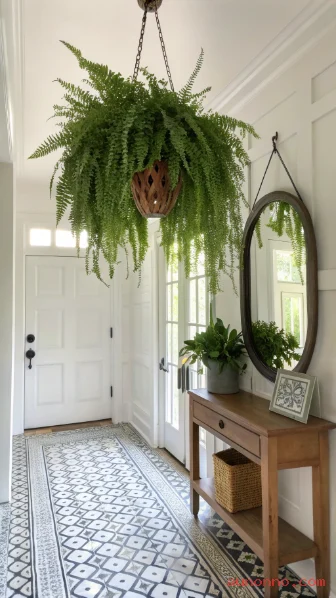
First impressions matter, and hanging a lush fern or trailing plant in your entryway makes the best possible one. A full Boston fern or maidenhair fern hanging near the front door immediately signals a warm, nature-loving home to every visitor who walks in. The entryway is often a narrow space, and using vertical room by hanging plants above head height keeps the floor clear while still adding greenery.
Install a single sturdy hook into the ceiling of the entryway and choose a statement plant that can handle the indirect light of an interior hallway. A golden pothos, peace lily, or cast iron plant all tolerate lower light conditions and suit the entryway environment well.
Keep a small tray or watering schedule card nearby so you don’t forget to water the plant since entryway plants are easy to overlook in daily routines. A beautifully maintained hanging plant in the entryway sets the tone for the rest of your home’s interior.
String of Hearts in a Boho Hanger
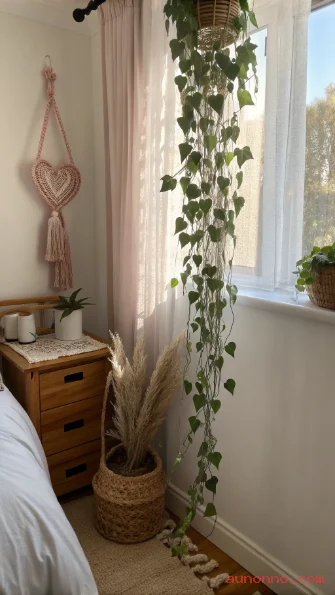
String of hearts, also known as Ceropegia woodii, produces tiny heart-shaped leaves on long, delicate purple-tinged vines that trail beautifully from a hanging pot. It is one of the most romantic and charming hanging plants for indoor spaces, especially when displayed in a soft, boho-style macramé hanger. The silvery marbling on each tiny heart-shaped leaf makes the plant look almost hand-painted.
String of hearts loves bright, indirect light and dries out quickly due to its small leaves, so checking the soil every three to four days and watering thoroughly when dry keeps it thriving. It also grows fast in good light, so the trailing vines lengthen noticeably week by week.
This plant suits bedrooms, reading nooks, and any corner of the home that benefits from a delicate, romantic touch. Pair it with a light pink, blush, or ivory woven hanger to enhance the feminine, boho energy of the display.
Bamboo Pole Hanging Plant Display
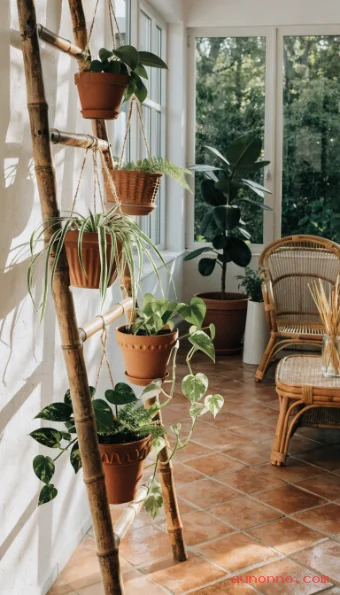
A bamboo pole or ladder makes a beautiful and eco-friendly structure for hanging multiple plants indoors. You can lean it against a wall at an angle like a ladder, or suspend it horizontally from the ceiling using rope or chain for a floating shelf effect. Bamboo is lightweight, strong, and has a natural aesthetic that complements plants perfectly.
Hang plants from the rungs of a bamboo ladder using jute twine, wire rings, or simple S-hooks, mixing different plant types across each level. Place trailing vines on the top rungs so their growth hangs downward naturally, and set smaller, more compact plants on the lower rungs for a neat layered look.
This type of display works well in corners, against feature walls, and in sunrooms or conservatories where the natural bamboo material feels at home. It is also easy to reconfigure by moving the plant hangers up or down the bamboo pole as your collection grows.
Hanging Orchids Near a Window
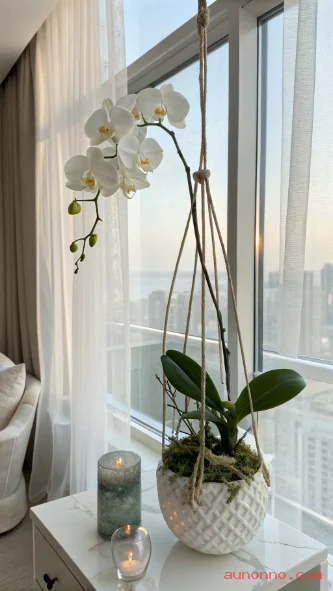
Orchids are one of the most elegant hanging plants for indoor spaces, and when displayed in clear or minimalist hanging pots near a bright window, they look genuinely breathtaking. Phalaenopsis orchids, the most common variety, produce large, waxy blooms in white, pink, purple, and yellow that last for months. Hanging them in a clear glass or mesh orchid pot allows light to reach the roots and lets you monitor moisture levels easily.
Orchids need bright, indirect light and should be watered about once a week by running lukewarm water through the pot for thirty seconds. They do not like sitting in soggy media, so a well-draining bark or sphagnum moss mix inside the hanging pot is essential.
Place your hanging orchid where morning light reaches it but the harsh afternoon sun does not, such as an east-facing window. Watching an orchid bloom while hanging gracefully in a beautifully lit window is one of the most rewarding sights a plant lover can enjoy indoors.
Hanging Plants on a Metal Grid Panel
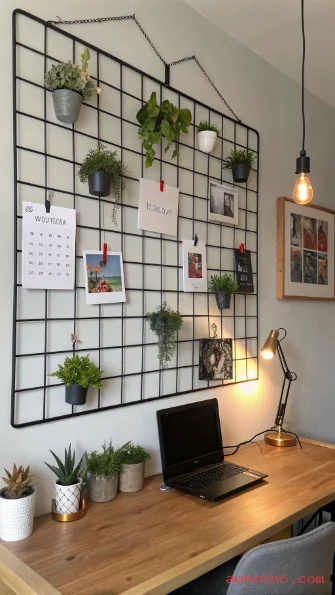
A metal grid panel, sometimes called a pegboard grid or wire memo board, mounted on the wall becomes a powerful and highly customizable hanging plant display. You clip small hanging pots, ceramic planters with grid clips, or mason jars onto the grid at any position you choose, and you can rearrange the layout whenever you want. This modular approach is perfect for people who love to change up their décor frequently.
Metal grid panels in black, copper, gold, or white are widely available online and in home goods stores, and they suit both industrial and minimalist aesthetics. Fill the grid with a mix of small trailing succulents, air plants in wire frames, and tiny herb pots for a functional and decorative living wall panel.
The beauty of the metal grid display is that you can also mix plant hangers with other items like small framed prints, notes, and decorative hooks to create a full lifestyle display panel. This approach works brilliantly in home offices, bedrooms, and kitchen walls.
Hanging Philodendron Brasil
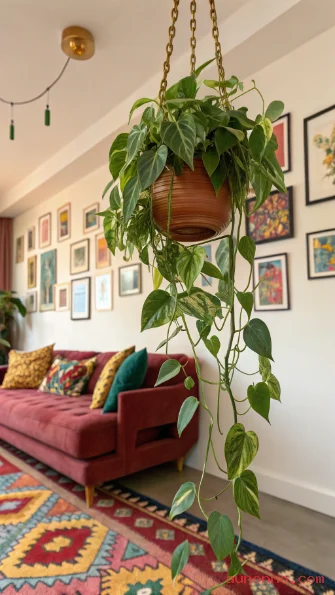
Philodendron Brasil is a fast-growing, low-maintenance trailing plant with striking two-toned leaves that combine bright lime green and deep forest green in bold streaks. Hanging it near a bright window in a simple rope or macramé hanger shows off the dramatic leaf patterning to full effect. This is one of the easiest hanging plants to care for — it tolerates lower light, irregular watering, and average humidity without dropping leaves or losing its color.
The vines grow quickly, sometimes adding several inches per week in good conditions, which means the display evolves and improves visibly over the months. Prune the longest vines back occasionally and propagate the cuttings in water to create new plants for free.
This plant is particularly striking when the vines grow long enough to drape down a wall beside a bookshelf or window, creating a natural green curtain. The bold leaf pattern means it holds its own even in a busy or maximalist room without getting lost visually.
Hanging Terracotta Pots With Leather Straps
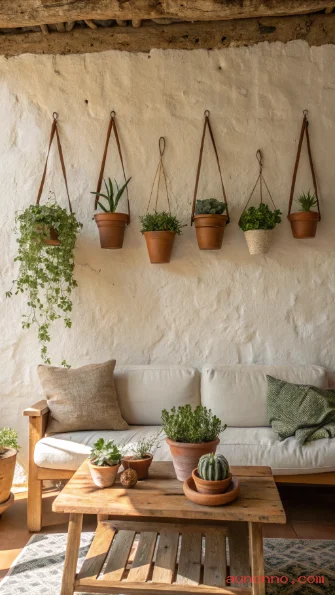
Terracotta pots suspended by leather straps are one of the most visually refined and timeless hanging plant arrangements you can create. The warm orange-red tones of terracotta against the rich brown of leather create an earthy, natural palette that suits almost any interior style. Leather-strap hangers are typically made with three or four straps that cradle the base of the pot and tie together at the top to form a loop for the hook.
This type of hanger works best with small to medium plants that don’t grow too top-heavy — succulents, small cacti, herbs, and compact trailing plants all suit the setup well. The flat base of the terracotta pot sits securely in the leather cradle, making it a stable option even for heavier soil mixes.
Over time, the leather develops a beautiful patina that makes the display look even more characterful. Hang a row of leather-strap terracotta planters at the same height along a long wall for a clean, rhythmic, gallery-inspired display.
Hanging Plants in a Kids’ Room
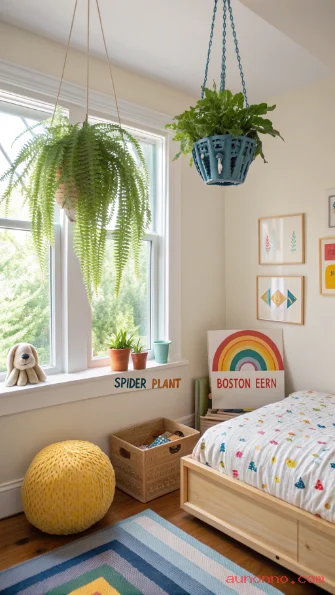
Hanging plants in a child’s room adds color, life, and a sense of wonder to their everyday environment. The key is to choose non-toxic, safe plant varieties since children may be curious and touch or taste the plants. Spider plants, Boston ferns, Christmas cactus, and prayer plants are all non-toxic and safe choices for kids’ rooms.
Keep the plants mounted safely high enough that a young child cannot pull them down, and use ceiling hooks with a high weight rating. A hanging plant in a bright, playful-colored pot — sunshine yellow, coral red, or sky blue — adds a cheerful pop of color that suits the energy of a children’s space perfectly.
Involving kids in caring for the hanging plants — letting them help with watering or misting — is a wonderful way to teach them about nature and responsibility. Watching a plant grow over time gives children a satisfying sense of nurturing something living.
Hanging Planter Rooms Dividers
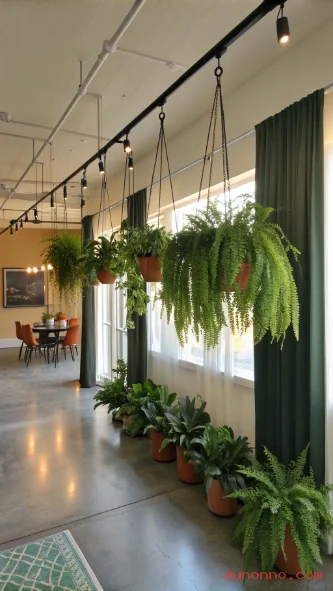
Hanging plants can function as stunning living room dividers in open-plan spaces. Suspend a horizontal wooden dowel or metal rod from the ceiling across the width of the room and hang a dense collection of trailing and bushy plants from it to create a natural green partition. This approach defines separate zones — living and dining, workspace and lounge — without using walls or heavy furniture.
The plant curtain is transparent enough that light still passes through from both sides of the room while still clearly delineating the space visually. Trailing pothos, heartleaf philodendron, and Boston fern all work well as hanging room divider plants because they grow dense and full.
Water the plants from the back of the divider using a small watering can with a narrow spout to avoid drips on your flooring. A drip tray or waterproof lining inside each hanging pot is an important step to protect floors and rugs beneath the divider.
Hanging Lavender Bundles for Fragrance
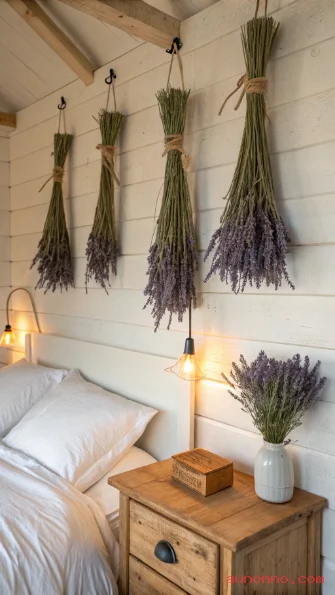
Dried lavender bundles hung from the ceiling or wall hooks do double duty as a decorative hanging display and a natural fragrance source. Bundle ten to fifteen fresh lavender stems together with jute twine, hang them upside down to dry, and leave them on display once fully dried. The soft purple color of dried lavender looks stunning against white walls, natural wood, and linen textiles.
Lavender hanging bundles work especially well in bedrooms, bathrooms, and linen closets because their gentle fragrance promotes relaxation and helps with sleep. Replace the bundles every few months as the scent fades to keep the room smelling fresh.
You can also hang small potted lavender plants near a sunny window for a living version of this display, though lavender needs at least six hours of direct sunlight per day to thrive indoors. Pairing a hanging dried lavender bundle with a living lavender pot creates a beautiful, fragrant window display.
Hanging Cactus Garden in a Sunny Corner
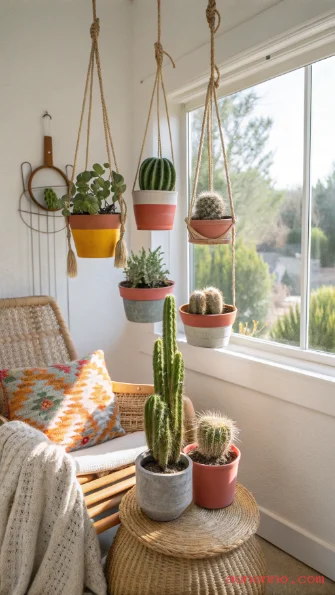
Cacti are not typically thought of as hanging plants, but small cactus varieties in shallow hanging pots look spectacular when grouped together in a sunny corner. Choose columnar or globular varieties like Mammillaria, Gymnocalycium, or Notocactus that stay compact enough to fit in a shallow pot. Pair them with bold, colorful ceramic or concrete hanging pots to let the striking plant shapes stand out.
A sunny corner near a south-facing window is the ideal spot for a hanging cactus garden since cacti need maximum direct sunlight to stay healthy and compact indoors. Group three to five cacti at different heights in the same corner to create a desert-inspired vertical plant display.
Use a gritty, fast-draining cactus mix in each pot and water deeply but infrequently — once every two to three weeks in summer and once a month in winter. Hanging cacti are virtually maintenance-free between watering sessions, which makes them a dream for busy or forgetful plant owners.
Hanging Moss Balls (Kokedama)
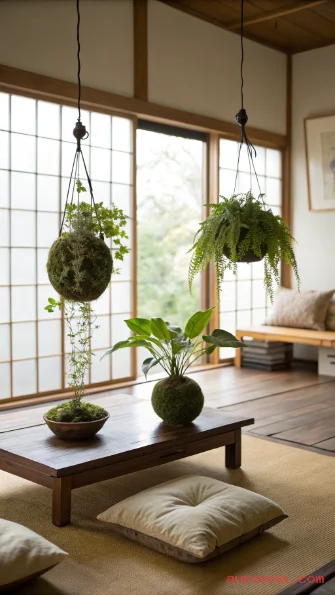
Kokedama is a Japanese art form that involves wrapping a plant’s roots in a ball of moss and binding it with string, then hanging the moss ball directly from the ceiling without any pot. The result is a floating green sphere of living moss with a plant growing from its center — it looks sculptural, organic, and utterly unique. Common plants used for kokedama include ferns, pothos, peace lilies, and small tropical plants.
The moss ball is watered by soaking it in a bowl of water for about ten minutes every one to two weeks until the moss is thoroughly saturated. This approach is wonderfully simple and the hanging moss ball often becomes the most talked-about design element in any room.
Group three kokedama balls at different heights in a cluster for a dramatic Japanese-inspired ceiling installation. The contrast of the rough, earthy moss against the smooth ceiling and the trailing plant leaves creates a beautifully textural, wabi-sabi aesthetic.
Hanging Planter Advent or Seasonal Display
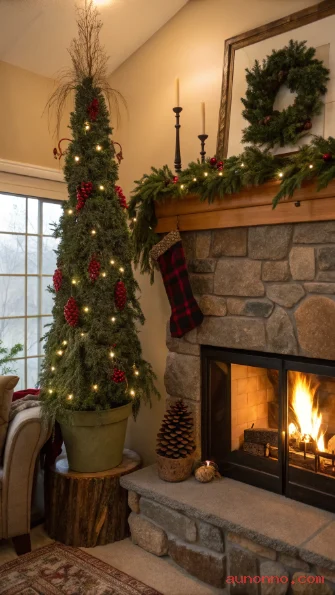
Hanging planters do not have to stay fixed year-round — you can swap in different plants or decorative elements to change the display with the seasons. In spring, fill your hanging baskets with flowering plants like begonias, petunias, or impatiens for a burst of color. In autumn, swap in small ornamental peppers, chrysanthemums, and decorative gourds to bring warm seasonal tones into the home.
For the holiday season, a hanging planter filled with a small rosemary topiary trimmed into a tree shape, red berry branches, and trailing ivy makes a living holiday centerpiece. Adding small fairy lights to the hanging display at any time of year creates an instant magical atmosphere in the evening.
This seasonal rotation approach keeps your indoor hanging plant display feeling fresh and relevant throughout the year. It also gives you a creative project to look forward to with each change of season, turning plant care into a joyful home styling ritual.
Frequently Asked Questions
What are the best hanging plants for low-light indoor spaces?
The best hanging plants for low-light conditions include golden pothos, heartleaf philodendron, spider plants, ZZ plants, and peace lilies. These plants tolerate indirect or artificial light and still grow well without a bright window. They are also forgiving if you miss a watering session here and there.
How do I keep my hanging indoor plants from dripping water on the floor?
Use hanging pots with built-in drip trays or insert a plastic saucer inside any wicker, macramé, or woven hanger. Water your hanging plants carefully and allow excess water to drain fully before hanging them back up. Self-watering hanging pots are another excellent option that eliminates drip entirely.
How often should I water hanging indoor plants?
Most hanging indoor plants need watering every seven to ten days, but this depends on the plant type, pot size, and light level. Succulents and cacti need far less water — once every two to three weeks. Check the soil with your finger before watering; if the top inch is still moist, wait a few more days.
What is the best way to hang a heavy plant from the ceiling?
Use a ceiling hook that is rated for at least double the weight of your plant and pot combined. Screw the hook directly into a ceiling joist for the strongest hold, or use a heavy-duty toggle bolt rated for drywall ceilings. Avoid adhesive hooks for anything heavier than a very small, lightweight plant.
Can I hang plants in a room with no windows?
You can hang plants in a windowless room if you supplement with grow lights. LED grow lights designed for indoor plants provide the full spectrum of light that plants need for photosynthesis. Place the grow light close enough to be effective — usually within twelve to twenty-four inches of the plant — and run it for ten to twelve hours per day.
Which hanging plants are safe for homes with cats and dogs?
Pet-safe hanging plants include spider plants, Boston ferns, Christmas cactus, haworthia succulents, prayer plants, and air plants. Keep all potentially toxic plants — such as pothos, philodendron, and string of pearls — well out of reach of pets. The ASPCA maintains an updated list of toxic and non-toxic plants for cats and dogs that is worth bookmarking.
How do I make my trailing hanging plants grow longer faster?
Give trailing plants bright, indirect light and fertilize them with a balanced liquid fertilizer every two to four weeks during the spring and summer growing season. Pinch back any leggy or yellowing stems to encourage the plant to put energy into new, healthy growth. Consistent warmth above 60°F (15°C) and good humidity also speed up growth significantly.
What is the easiest hanging plant for complete beginners?
Golden pothos is widely considered the easiest hanging plant for beginners because it tolerates low light, irregular watering, average humidity, and neglect without dying. It also grows fast, trails beautifully, and looks lush and full even with minimal care. If you can keep a pothos alive, you have the confidence to try almost any other hanging plant next.
How do I prevent gnats in my hanging indoor plants?
Fungus gnats thrive in consistently moist topsoil, so the best prevention is to let the top layer of soil dry out between waterings. You can also top-dress the soil with a thin layer of sand or decorative gravel, which disrupts the gnat life cycle. Yellow sticky traps hung near the plants catch adult gnats and help control the population quickly.
Can hanging plants improve indoor air quality?
Studies, including the well-known NASA Clean Air Study, show that certain indoor plants can filter airborne pollutants like formaldehyde, benzene, and xylene from the air. Spider plants, Boston ferns, peace lilies, and golden pothos are among the most effective air-purifying hanging plants. While plants alone are not a substitute for proper ventilation, they do contribute to a cleaner, fresher indoor environment.
Conclusion
Hanging plants indoor ideas are one of the most powerful and affordable ways to completely change how a room looks and feels.
From a single trailing pothos in a macramé hanger to a dramatic ceiling installation of kokedama moss balls, every idea in this list works beautifully in real homes of every size and style.