There is a small daily luxury in a coffee shop latte, the silky foam, the balance of espresso and milk, the quiet pause it creates. At five or six dollars a cup, that pause gets expensive fast.
The good news is that nearly every cafe favorite can be rebuilt in your own kitchen with espresso or strong coffee, milk, and a few pantry flavorings. No expensive machine required, a stovetop, a jar with a lid, or a cheap frother covers the whole list.
Below are 25 coffee shop lattes you can make at home, from cozy fall classics to iced summer staples. Each one costs a fraction of the cafe price and can be tuned exactly to your taste.
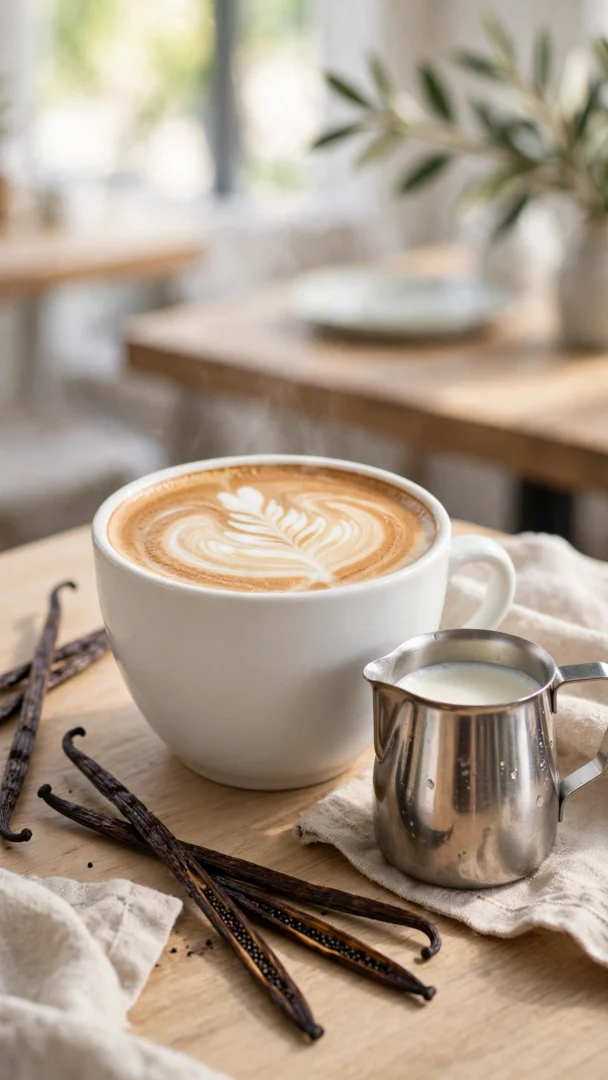
Classic Homemade Vanilla Latte
A double shot of espresso, or half a cup of strong brewed coffee, plus steamed milk and a spoonful of vanilla syrup. That is the entire recipe, and it tastes like the cafe version because it basically is.
The vanilla rounds off the espresso’s sharper edges and adds a gentle sweetness without turning the cup into dessert. It is the everyday latte that never gets old.
Make your vanilla syrup from scratch: simmer equal parts sugar and water with a split vanilla bean or a splash of real extract. One batch lives in the fridge for weeks and beats store-bought syrup on flavor.
Pumpkin Spice Latte
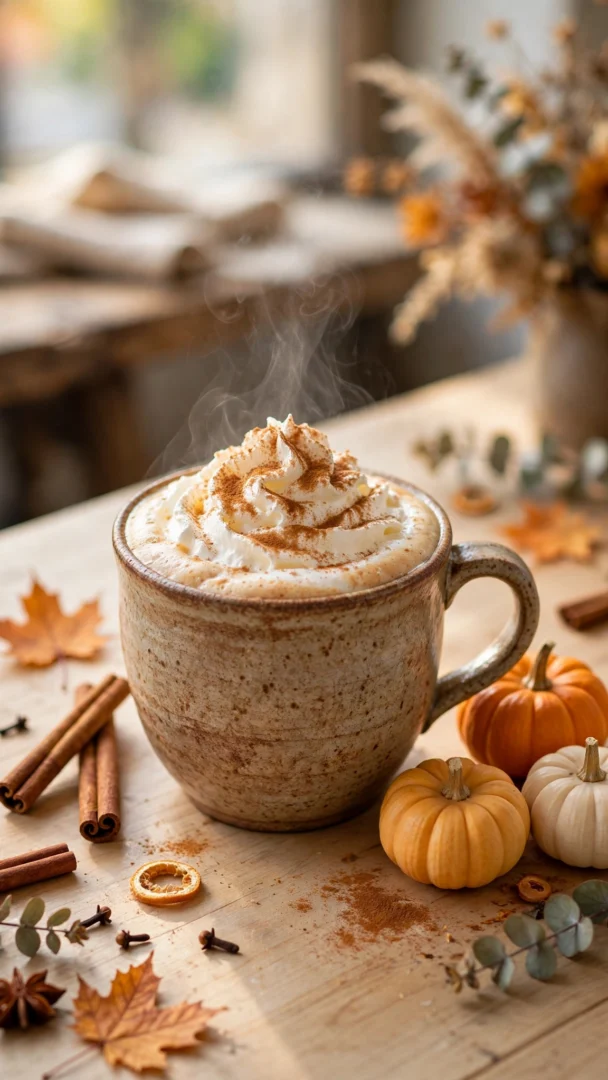
This one uses real pumpkin puree, not orange syrup, blended into steamed milk with cinnamon, nutmeg, ginger, and clove. The pumpkin gives the drink a rich, almost custardy body that artificial versions never reach.
It is the official drink of October mornings and cozy baking weekends. Making it yourself also lets you cut the sugar way back while keeping all the warm spice.
Whisk the puree and spices into the milk while it heats, so everything melts together smoothly. Cold puree dropped into hot espresso tends to go lumpy.
Iced Vanilla Latte

Espresso poured straight over a tall glass of ice, then cold milk and vanilla syrup layered on top. Pour the milk slowly and you get that pretty cafe gradient before it all swirls together.
Perfect for warm afternoons when a hot latte feels too heavy. It also travels well in a tumbler for errands and commutes.
Freeze leftover coffee into ice cubes and use those instead of water ice. Your latte stays bold to the last sip instead of watering down.
Brown Sugar Shaken Espresso Latte
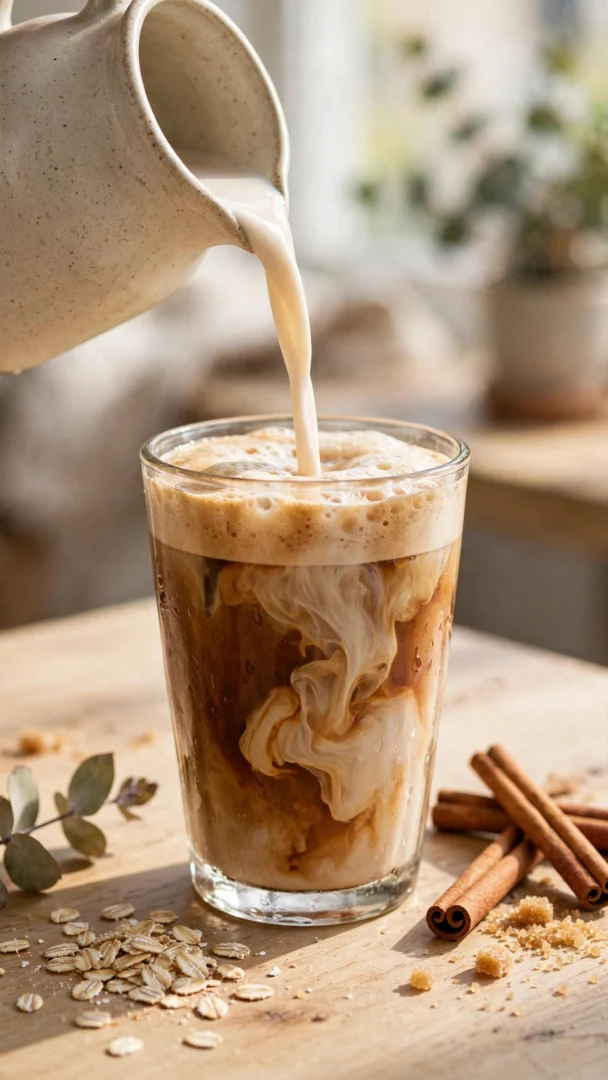
Espresso gets shaken hard with brown sugar and a pinch of cinnamon over ice until it turns frothy and chilled, then oat milk goes over the top. The shaking builds a silky foam cap you cannot get by stirring.
The brown sugar brings a deep, almost caramel sweetness with a whisper of molasses. Because the shaking mellows the espresso, this drinks lighter than a traditional latte.
Use a cocktail shaker or any jar with a tight lid and shake for a full 15 to 20 seconds. Half-hearted shaking just gives you iced coffee.
Classic Mocha Latte
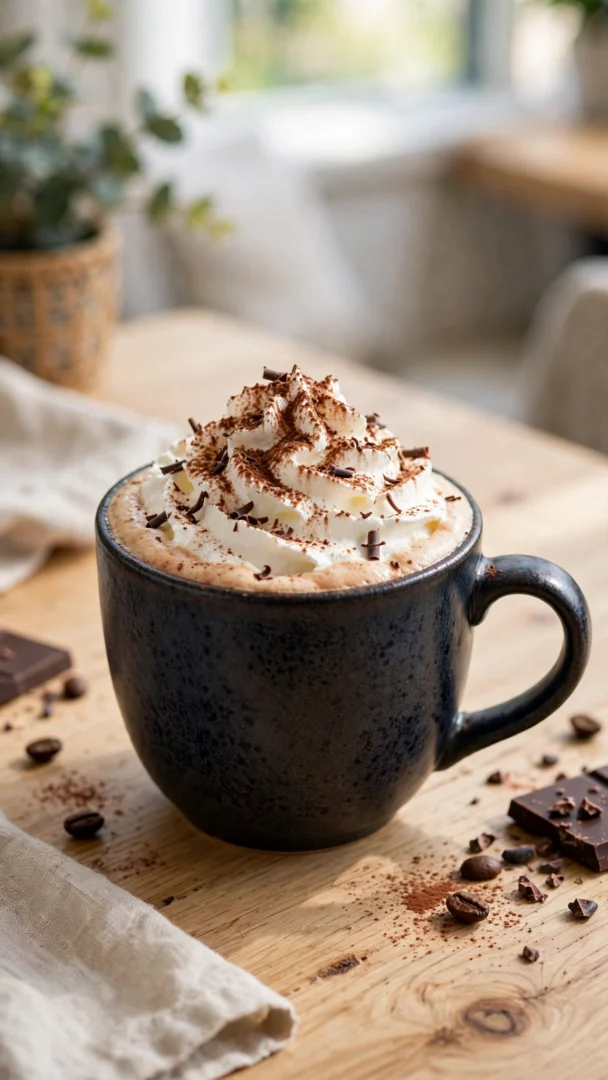
Half coffee, half hot chocolate: chocolate stirred into hot espresso, then steamed milk on top. The chocolate smooths out the espresso’s bitterness and turns the cup into a proper treat.
Whipped cream and a dusting of cocoa make it official. This is the latte for cold evenings and movie nights, when you want your caffeine with dessert built in.
Whisk Dutch-process cocoa with a splash of hot milk into a smooth paste before adding the espresso. That one step is what keeps a mocha silky instead of grainy.
Honey Lavender Latte
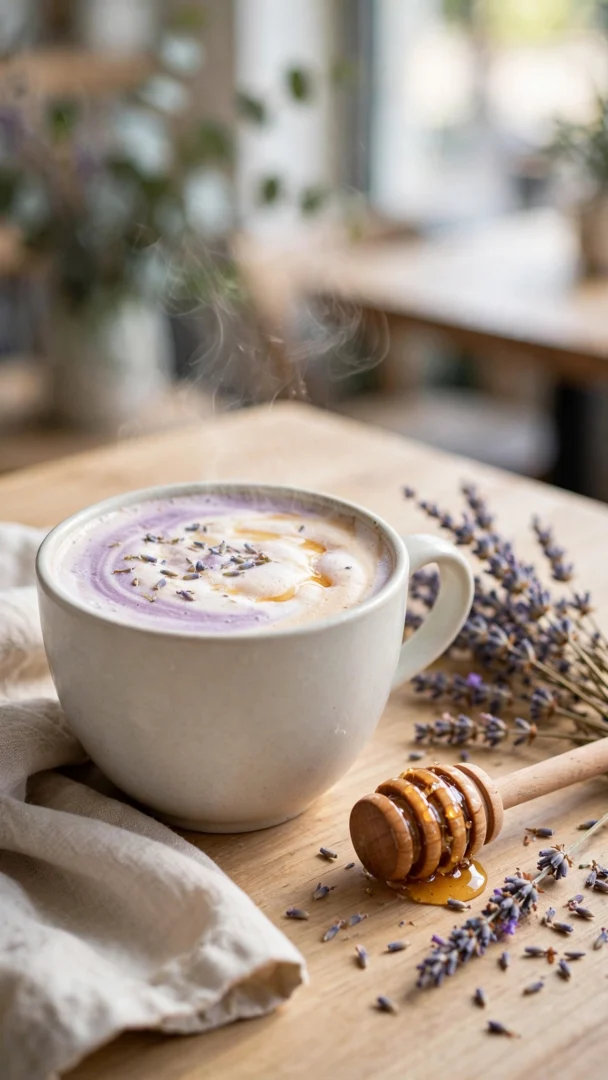
Culinary lavender buds steep in the hot milk, which is then sweetened with honey instead of sugar. The lavender adds a soft floral note that plays surprisingly well against espresso.
Served hot, it is pure calm in a cup. It shines at brunch or on a slow spring morning, especially for anyone who leans toward floral teas.
Steep the lavender for only three to four minutes, then strain it out. Any longer and the flavor tips from floral into soapy.
Hot Matcha Green Tea Latte
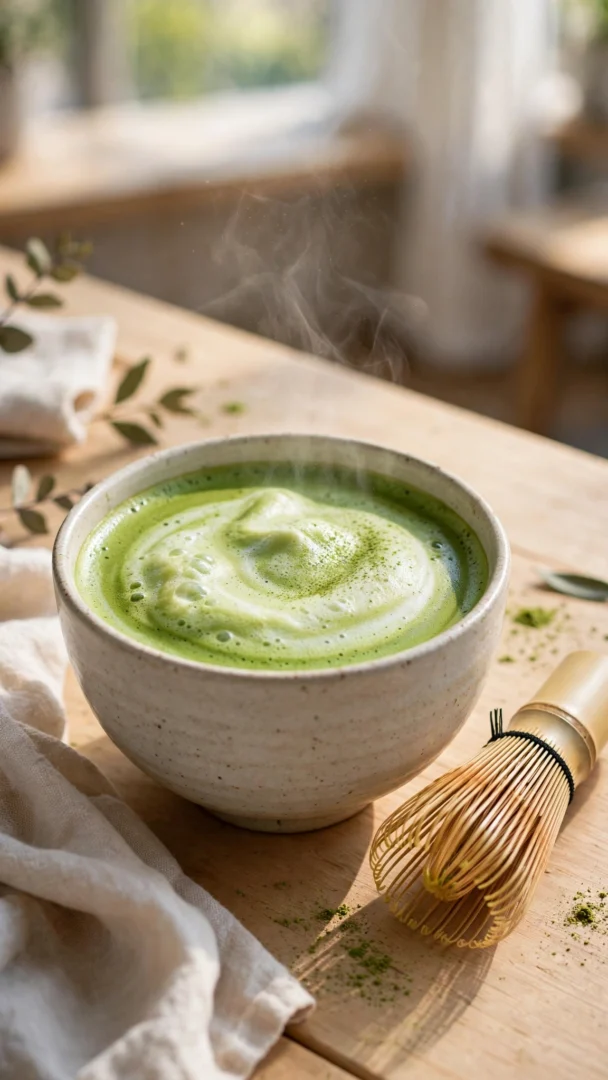
Ceremonial-grade matcha whisked with hot water until frothy, then finished with steamed milk. The result is a jade-green cup with a grassy-sweet flavor and a creamy body.
Matcha’s caffeine feels calmer and steadier than coffee, with none of the jitters. It is also a great pick for anyone avoiding coffee’s acidity.
Sift the matcha through a fine strainer before whisking to kill every lump. Whisk in a zigzag W motion rather than circles for the best froth.
Spiced Chai Tea Latte
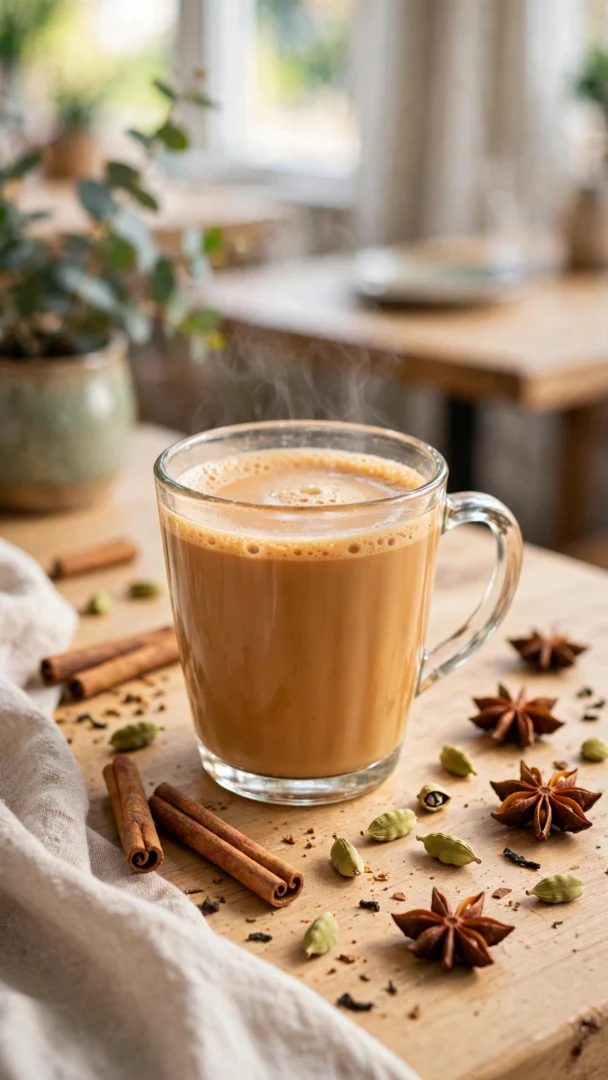
Strong black tea brewed with crushed cardamom, cinnamon, ginger, cloves, and black pepper, then combined with steamed milk and honey or sugar. The spice blend gives it a warmth coffee cannot replicate.
It is the ultimate cold-weather hug in a mug. Use decaf black tea or rooibos and it becomes a perfect evening drink too.
Simmer the spices in the milk itself for about five minutes before adding the tea. The milk’s fat carries the spice flavors beautifully.
Salted Caramel Latte
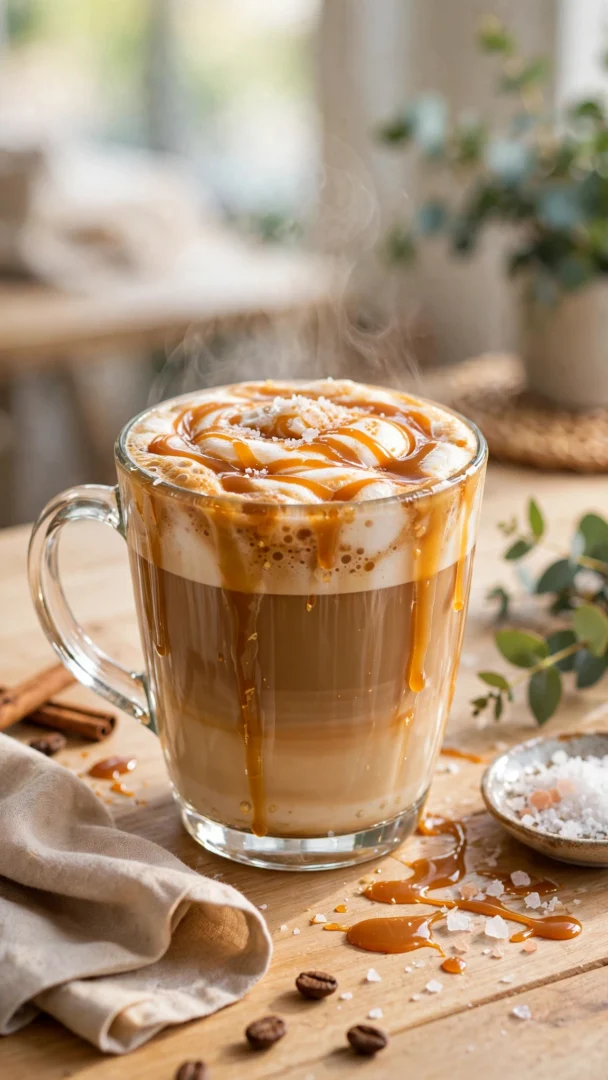
Buttery caramel sauce swirled into espresso and steamed milk, finished with a pinch of flaky sea salt. The salt does not make it taste salty; it deepens the caramel into something almost toffee-like.
It scratches the sweet-tooth itch without going one-note. A drizzle of caramel over the foam is the signature look, and it makes a great after-dinner coffee.
Make a jar of your own caramel sauce once: sugar, butter, cream, and salt, ten minutes on the stove. It keeps in the fridge and beats store-bought syrup by miles.
Hazelnut Latte
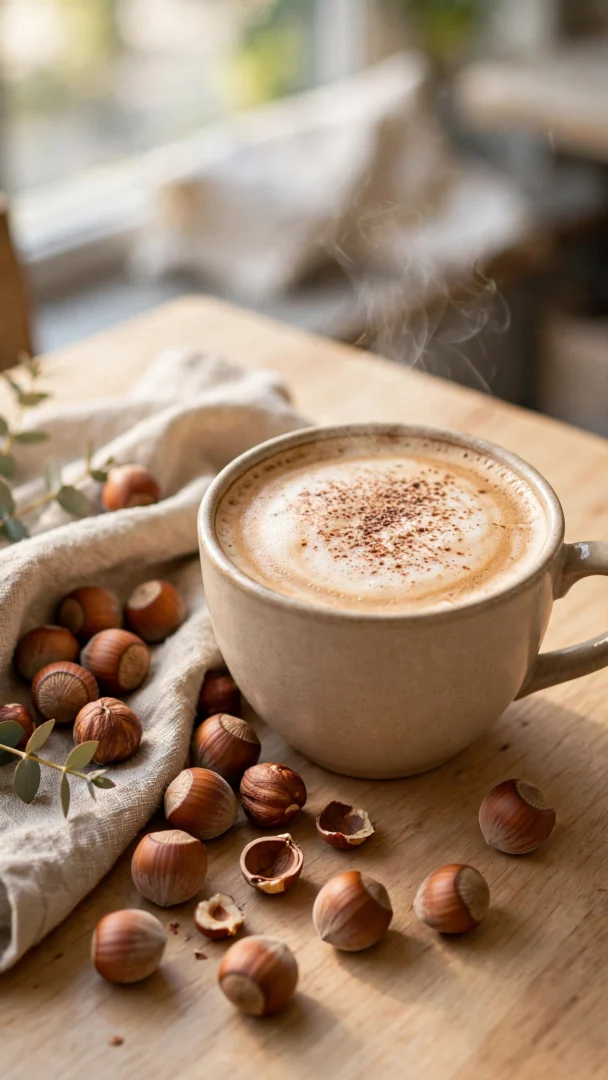
Espresso and steamed milk with hazelnut syrup, or a spoonful of chocolate-hazelnut spread melted into the milk. It tastes like the best parts of a fancy chocolate bar, in drinkable form.
The roasted nuttiness adds a depth that plain sweet syrups cannot match. Richer than vanilla, lighter than mocha, it sits in a delicious middle ground.
Stir the hazelnut spread into the hot milk until fully melted before the espresso goes in. Added to espresso first, it can leave oily streaks.

Cinnamon Dolce Latte
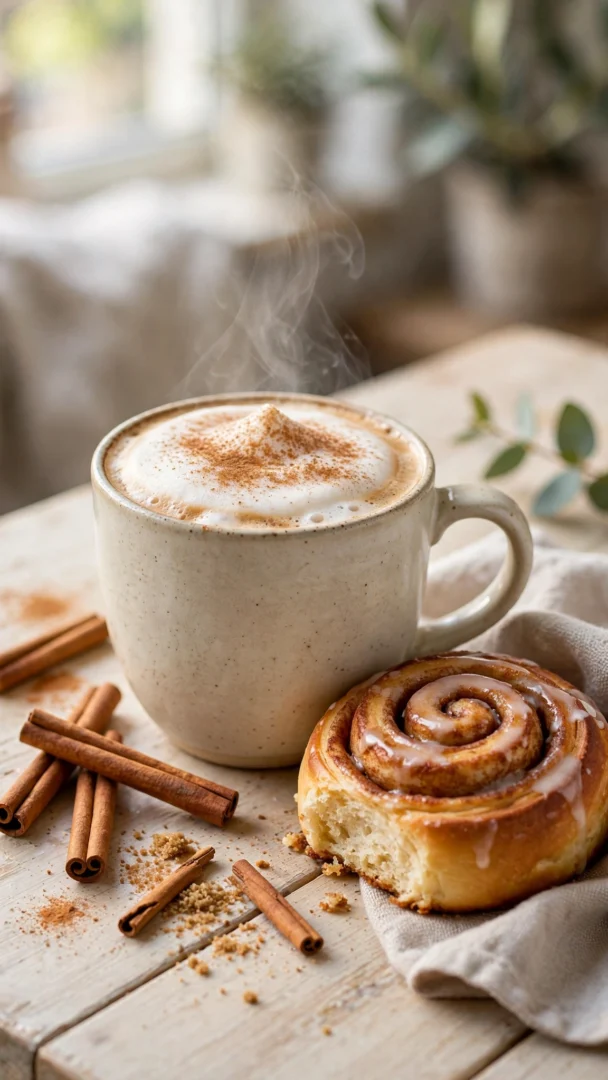
Brown sugar, cinnamon, and a knob of butter simmered into a syrup, then stirred into espresso with steamed milk. It tastes like a cinnamon roll in a cup.
A sprinkle of cinnamon sugar over the foam is non-negotiable. This is the latte for autumn weekends and anyone who finds vanilla lattes a little boring.
Simmer brown sugar, water, cinnamon sticks, and butter for five minutes to make the syrup. One batch flavors dozens of lattes and keeps for weeks.
White Chocolate Mocha Latte
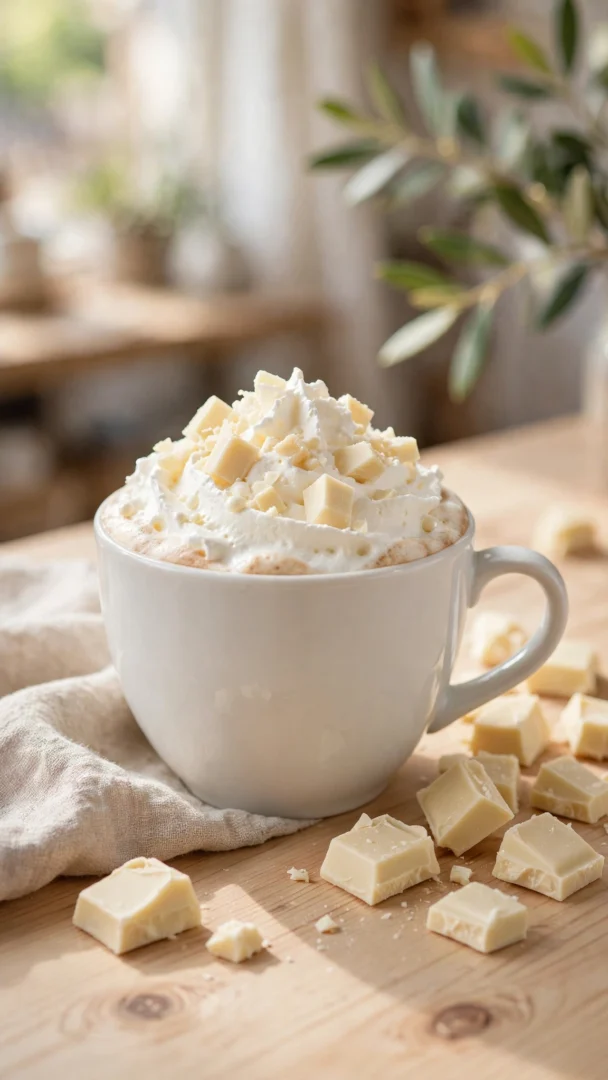
White chocolate melted into hot espresso, then steamed milk poured over. It is sweeter and silkier than a regular mocha, with a vanilla-cocoa flavor that feels like a melted truffle.
This is the winter drink you crave when it is snowing outside. If dark chocolate feels too intense, the white chocolate version keeps all the comfort with none of the bite.
Chop the white chocolate finely or use chips so it melts fully into the hot espresso. Big chunks leave waxy blobs floating on top.
Iced Matcha Latte
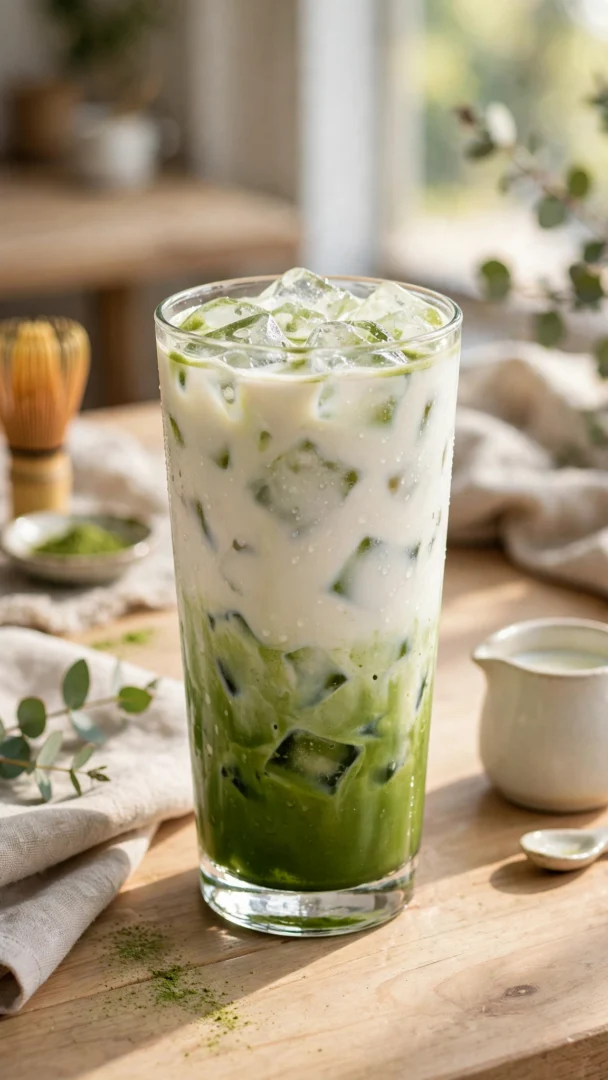
Matcha whisked with cold water or milk, poured over ice, and finished with cold milk. Done right, you get striking green-and-white layers in the glass.
It is refreshing, lightly sweet, and delivers matcha’s calm energy in its most drinkable form. A little vanilla syrup makes it taste like green-tea ice cream.
Pour the milk over the back of a spoon onto the ice first, then add the whisked matcha slowly. The density difference builds those picture-perfect layers.
Cold Brew Cream Latte

Slow-steeped cold brew coffee with cold milk or sweet cream over ice. Cold brewing skips the heat, so the coffee comes out naturally sweeter, less acidic, and chocolatey.
This is the latte for anyone who finds iced espresso drinks too sharp. It is also a meal-prep dream: one batch of concentrate lasts all week in the fridge.
Steep coarsely ground coffee in cold water for 12 to 16 hours, then strain. A one-to-four coffee-to-water ratio makes a concentrate you dilute with milk.
Creamy Oat Milk Latte
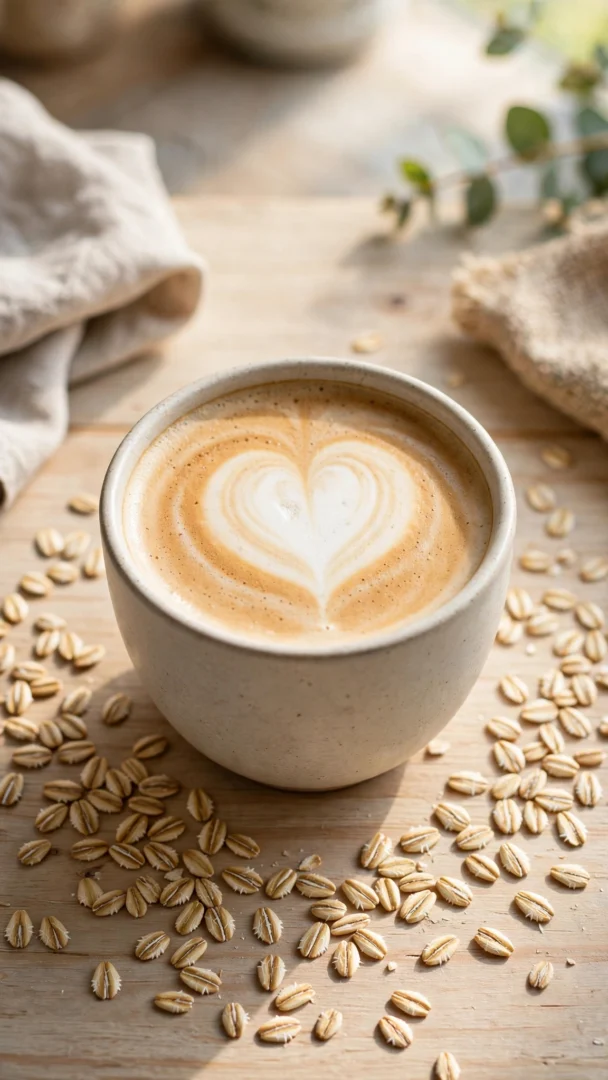
Oat milk steams into a foam nearly identical to dairy, with a natural sweetness and creamy body that flatters espresso. A hot oat milk latte tastes rich and slightly oaty, like the coziest oatmeal turned into coffee.
For dairy-free drinkers it is the best plant milk for lattes by a wide margin. Even committed dairy drinkers often cannot tell the difference in a blind sip.
Look for barista-edition oat milk if you can find it. It is formulated to steam and froth without splitting, while regular oat milk can turn grainy in hot coffee.
Toasted Almond Milk Latte
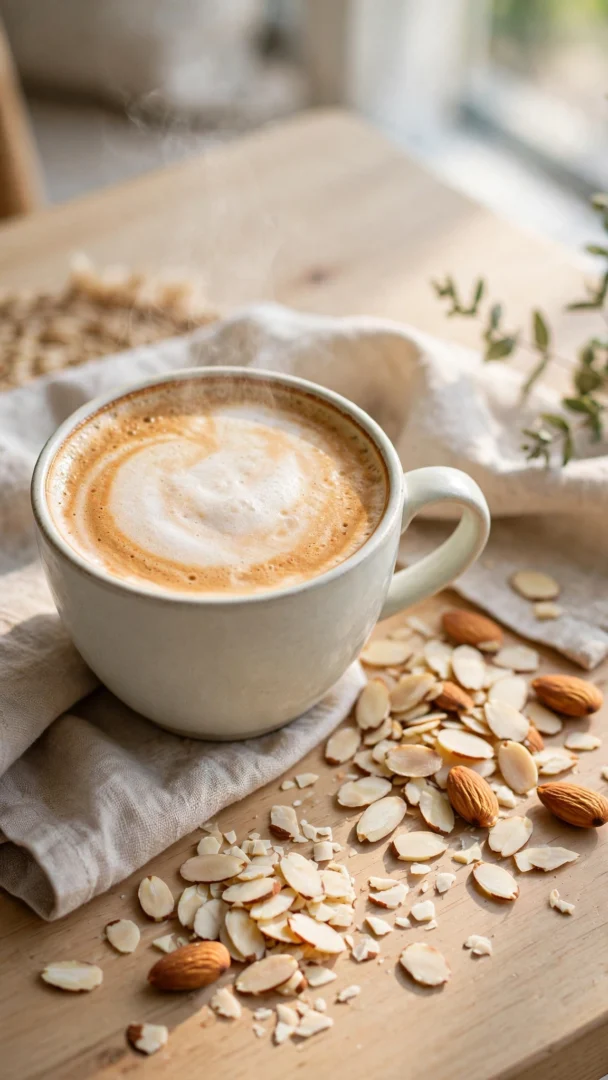
Espresso with gently warmed almond milk, a drop of almond extract, a little honey, and a pinch of cinnamon. It has a marzipan-like warmth and a lighter, more delicate body than dairy or oat versions.
The gentle nuttiness never overpowers the espresso. It is also a smart pick for anyone watching calories, since almond milk runs far lighter than dairy.
Heat almond milk gently to steaming and never let it boil. Overheated almond milk splits and tastes scorched.
Peppermint Mocha Latte

Espresso, steamed milk, chocolate, and peppermint, finished with whipped cream. The peppermint cuts through the chocolate’s richness with a cool brightness that tastes like December in a cup.
It is the drink that officially starts the holiday season for millions of people. Christmas morning, tree-trimming parties, cold December evenings: this is their latte.
Use pure peppermint extract instead of syrup for a cleaner flavor, just two or three drops per cup. A heavy hand tastes like toothpaste.
Gingerbread Latte

Gingerbread syrup, brown sugar, molasses, ginger, cinnamon, and cloves, stirred into espresso with steamed milk. It tastes like a gingerbread cookie melted into coffee, warm and festive without being overly sweet.
The molasses gives it a dark, almost smoky depth that plain sugar syrups lack. Holiday bakers and spice lovers will pick this over peppermint every time.
Simmer the syrup with a thumb of fresh grated ginger for extra zing. Ground ginger alone tastes flat by comparison.
Maple Pecan Latte
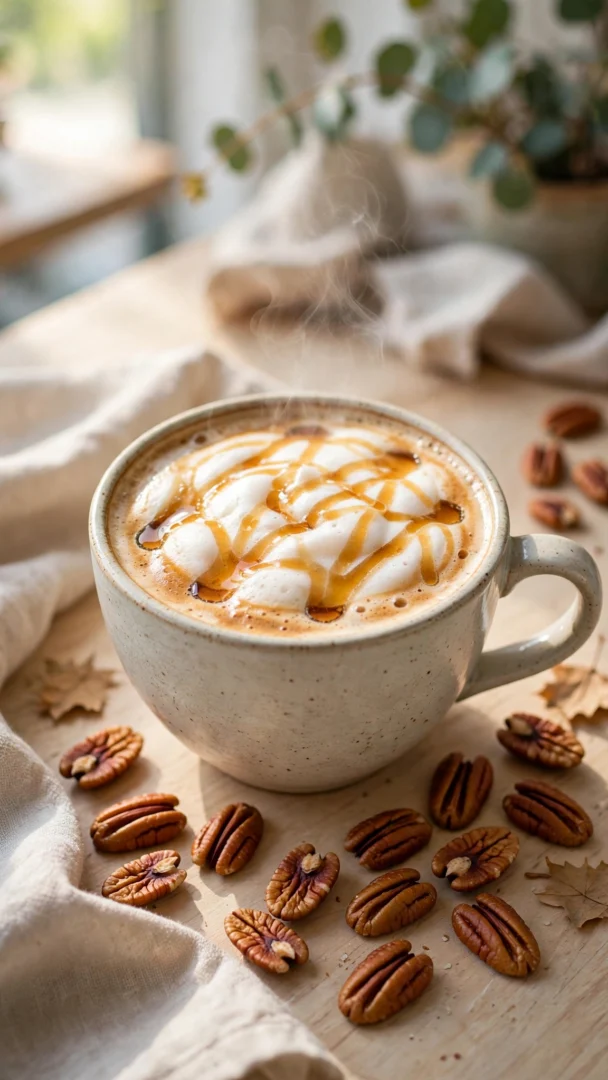
Espresso and steamed milk sweetened with real maple syrup and a drop of pecan flavor, finished with crushed toasted pecans. The maple brings a woodsy, caramel sweetness that white sugar cannot match.
It is fall’s answer to the vanilla latte, and a welcome break from pumpkin spice season. Thanksgiving morning was made for this drink.
Use dark-grade maple syrup, the kind formerly labeled Grade B. Its maple flavor is much stronger, so you need less of it.
Coconut Cream Latte
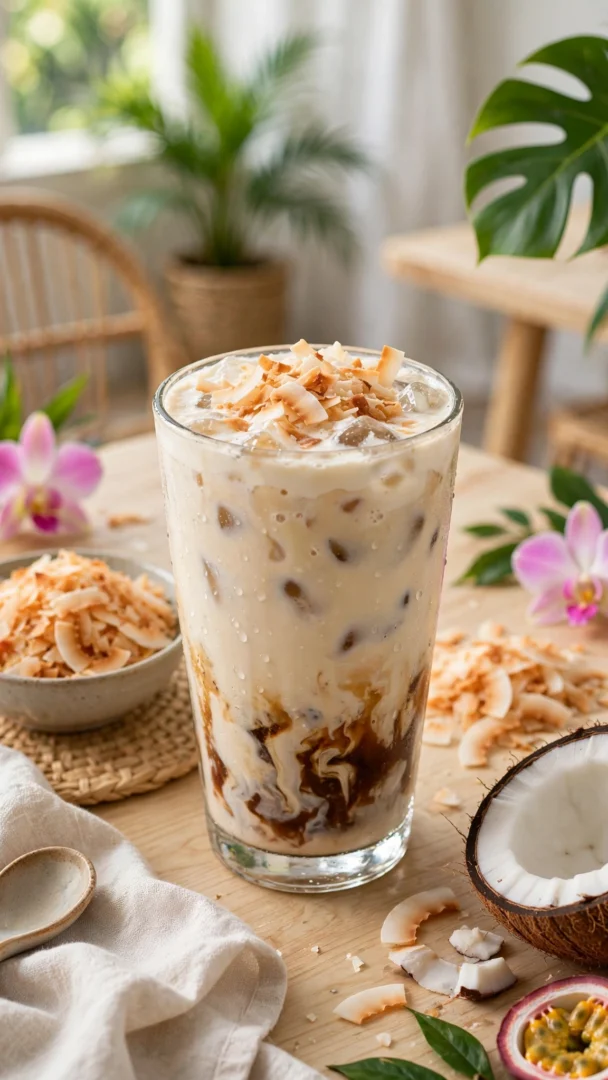
Espresso with coconut milk, or steamed dairy milk with coconut syrup, for a drink that tastes like vacation. The coconut’s natural sweetness means less added sugar is needed.
It is naturally dairy-free when made with coconut milk. Served iced, it is one of the most refreshing lattes on this list.
Shake the can of coconut milk well or blend it before using. The cream separates in the can, and unshaken coconut milk makes a watery latte.
Tiramisu Latte
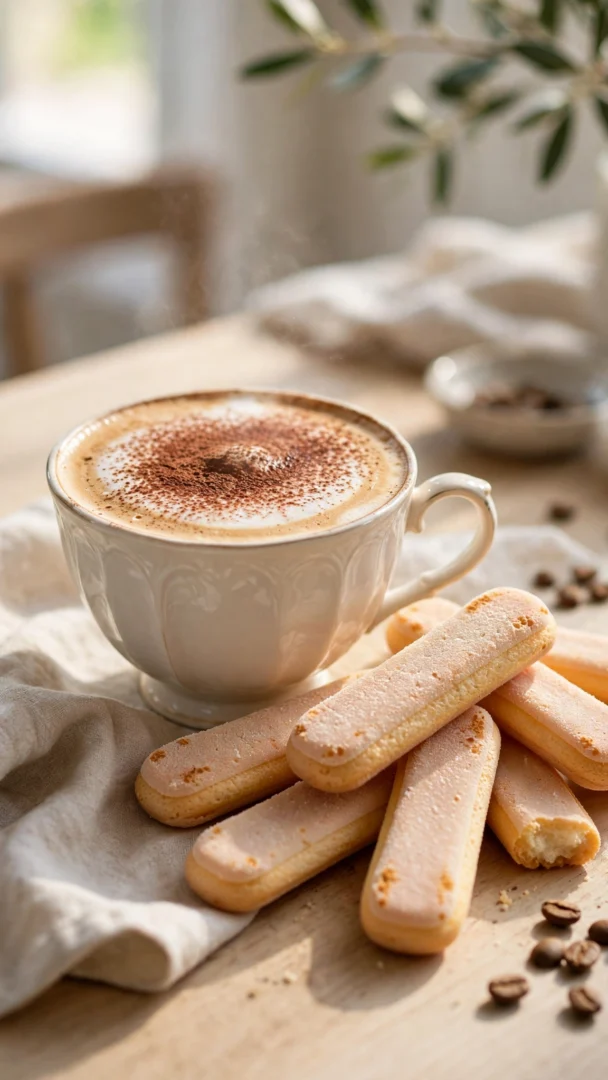
Espresso with steamed milk, a spoonful of mascarpone whisked in for body, and a dusting of cocoa powder. It genuinely tastes like the Italian dessert: creamy, coffee-soaked, and lightly sweet.
This one is rich enough to replace dessert entirely. It is perfect for dinner parties or date nights at home, and ladyfinger cookies for dunking are strongly encouraged.
Whisk the mascarpone with a splash of hot milk until completely smooth before adding the espresso. Cold mascarpone dropped into hot coffee turns lumpy.
Rose Cardamom Latte

Steamed milk infused with crushed cardamom pods and a whisper of rose water, sweetened lightly with honey. The cardamom brings a warm, almost citrusy spice while the rose adds a delicate floral note.
Together they taste like a Middle Eastern pastry in liquid form. It is a stunning drink to serve guests, and it pairs beautifully with brunch.
Rose water strength varies wildly between brands, so start with just a quarter teaspoon per cup. Too much tastes like perfume.
Pistachio Latte
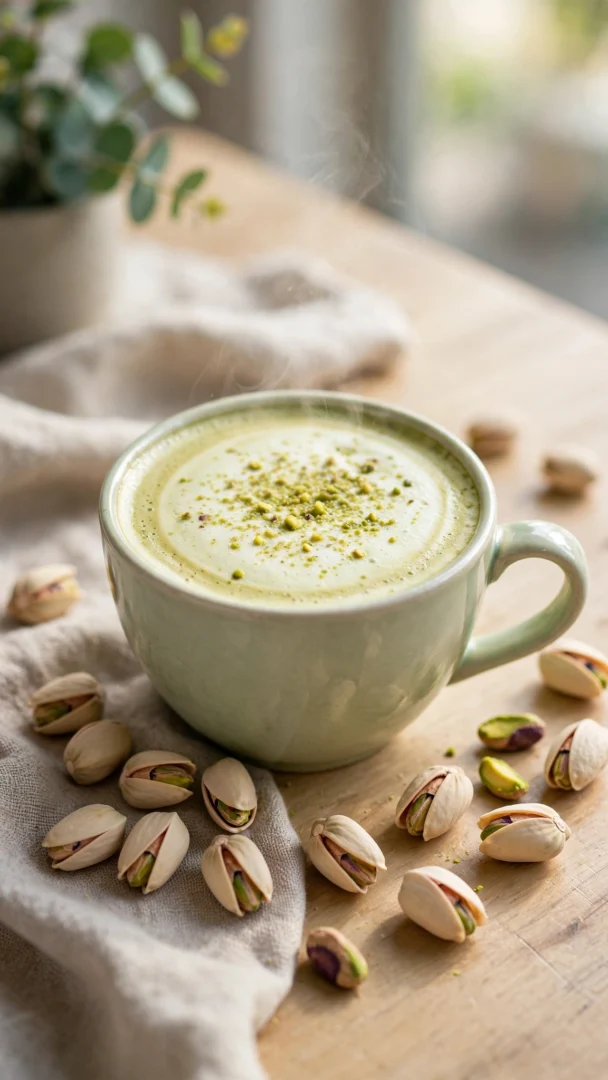
Espresso and steamed milk with pistachio syrup, or finely ground pistachios blended into the milk. It has a distinctive buttery, slightly salty nuttiness and a gorgeous pale-green tint when made with real pistachios.
It is less sweet than hazelnut and more interesting than almond, with a sophistication that makes it feel like a special-occasion drink. The homemade version beats the cafe one easily.
Blend shelled roasted pistachios with hot milk and strain for the real-deal version. It takes five minutes and tastes nothing like green-tinted syrup.
Toasted Marshmallow Latte
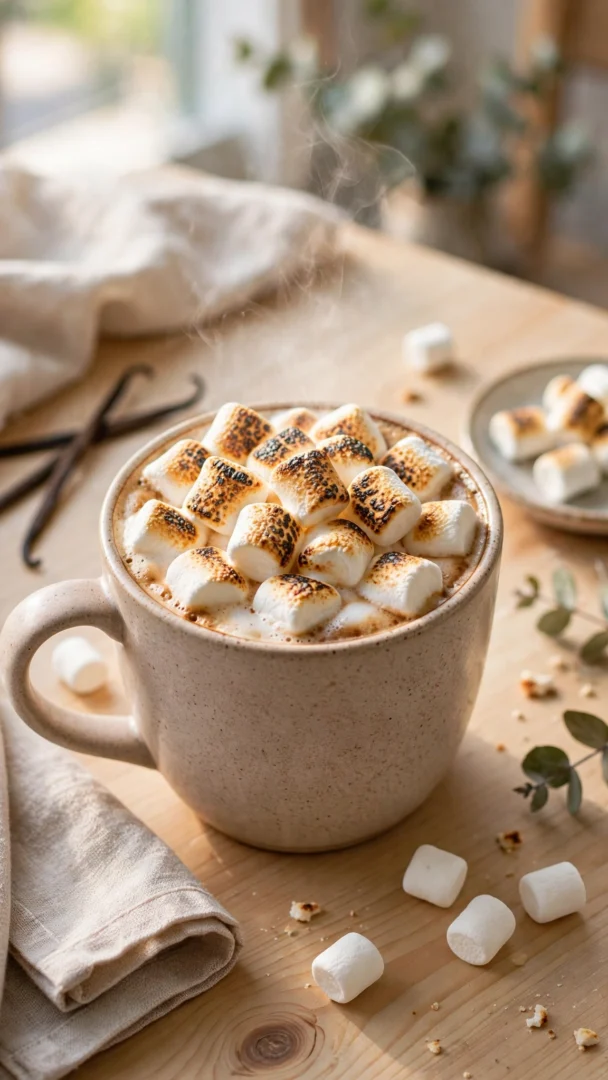
Espresso and steamed milk with toasted-marshmallow syrup, topped with actual mini marshmallows torched until golden. The torched marshmallows melt slowly into the drink, adding a smoky-sweet depth.
It is part latte, part s’mores, and a huge hit at fall gatherings. Torching the marshmallows tableside is pure theater.
No kitchen torch? Broil the marshmallow-topped mug for 30 to 60 seconds and watch it constantly.
They go from golden to burnt in seconds, so do not walk away from the oven.
Caramel Apple Cider Latte
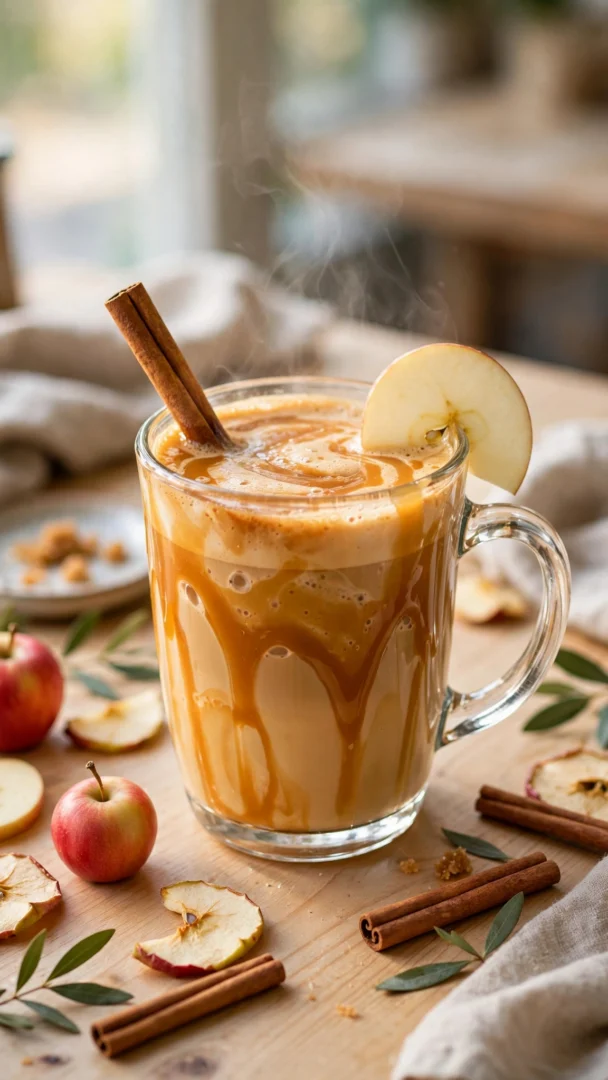
Hot apple cider and espresso combined with steamed milk and a caramel drizzle. The cider’s fruity brightness plays beautifully against the espresso’s depth, and the caramel ties it all together.
A cinnamon stick stirrer and a thin apple slice on the rim make it look like autumn itself. It is the ultimate October drink for Halloween parties and Thanksgiving brunch.
Use fresh-pressed apple cider, not clear apple juice. The cloudy, unfiltered kind has the robust apple flavor this drink needs.
Frequently Asked Questions
What do I need to make lattes at home?
At minimum you need strong coffee and milk. An espresso machine is nice, but a moka pot, AeroPress, or half a cup of very strong brewed coffee all work as the base.
For milk texture, a handheld frother costs under fifteen dollars, a French press froths by pumping the plunger, or a simple jar with a lid does the job with a good shake. Everything else, syrups, spices, cocoa, is pantry stuff.
Can I make lattes without an espresso machine?
Yes, easily. Brew coffee at double strength with whatever method you own; a moka pot gives the closest espresso-like intensity, but strong drip or French press coffee works fine.
Use about half the liquid you would use for a regular latte, since brewed coffee is less concentrated than espresso. The milk and flavorings do most of the heavy lifting anyway.
What’s the best milk for homemade lattes?
Whole dairy milk steams into the richest, creamiest foam. For plant-based, oat milk is the clear winner: it froths almost like dairy and adds natural sweetness.
Almond milk suits lighter lattes but needs gentle heat to avoid splitting, coconut milk adds tropical flavor, and soy froths well but can taste beany. Barista-edition plant milks are formulated to handle heat better.
How do I make flavored syrups at home?
Most syrups are just equal parts sugar and water simmered until dissolved, plus your flavoring: vanilla bean, cinnamon sticks, fresh ginger, or cocoa. Simmer for five minutes, cool, strain, and refrigerate.
They keep for three to four weeks. Homemade syrups taste cleaner than store-bought, cost pennies, and let you control the sweetness exactly.
How can I make iced lattes that don’t get watery?
Three tricks: freeze leftover coffee into ice cubes, chill your espresso before pouring it over ice, and use less ice with more milk. The shaken espresso method also helps by chilling and diluting the espresso in a controlled way first.
Drink within about twenty minutes for peak flavor. After that, even the best iced latte starts to fade.
Are homemade lattes actually cheaper than coffee shops?
Dramatically cheaper. A homemade latte runs about fifty cents to a dollar in ingredients, versus five to seven dollars at a cafe.
A daily homemade latte habit can save well over a thousand dollars a year, even after the cost of good beans and milk. You also control the sweetness, the milk, and the quality of every ingredient.
Can I make these lattes decaf or caffeine-free?
Yes. Every recipe here works with decaf espresso or decaf strong coffee and needs no other changes.
For fully caffeine-free options, make the spiced chai with rooibos instead of black tea, or build any flavored latte as a steamed-milk steamer. You still get the cozy cafe experience without the buzz.
Final Thoughts
Making coffee shop lattes at home is one of those small upgrades that pays off every single day. You skip the line, you save real money, and you get to tune every cup exactly to your taste.
Start with the classic vanilla to learn the ropes, then work through the seasonal favorites. Once you have tasted a pumpkin spice latte made with real pumpkin or a pistachio latte made with actual pistachios, the cafe versions may never satisfy you again.