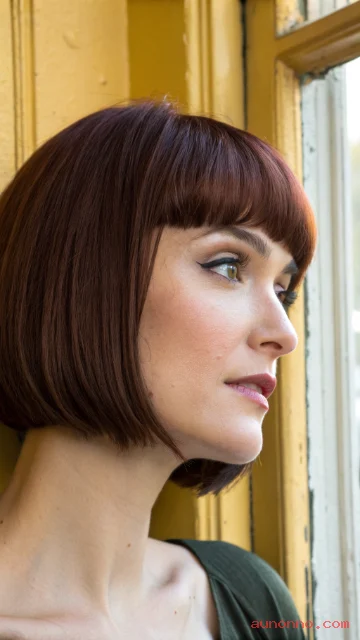
You want a hairstyle that feels fresh and modern. Bob cut ideas are everywhere right now because they work for all hair types and lengths. This list will show you 26 stunning options to discuss with your stylist.
The Classic Chin-Length Bob
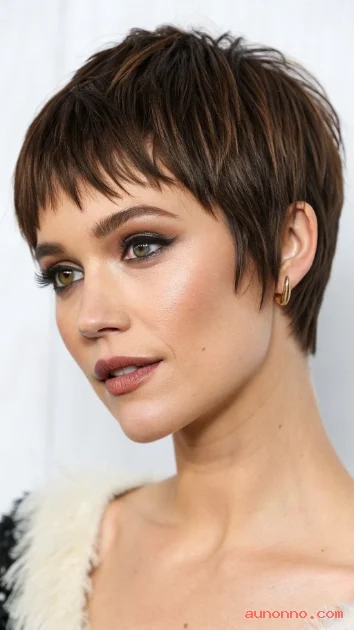
This bob stops right at your chin for a neat frame. It works great on straight or slightly wavy hair. The clean lines make it look polished without much effort.
You can part it in the middle or on the side. Both options change the whole vibe of the cut.
Maintenance is simple with a trim every six to eight weeks. Use a round brush when blow-drying for that smooth finish.
The Asymmetrical Bob
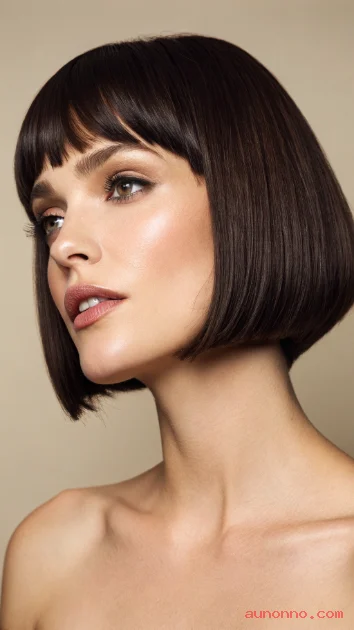
One side is longer than the other in this bold cut. The length difference can be subtle or dramatic based on your preference. This style adds instant edge to your overall look.
It draws the eye diagonally across your face. That effect can make a round face appear longer and slimmer.
Styling takes just a few minutes with a flat iron. Focus on keeping the longer side smooth and the shorter side slightly tucked.
The Inverted Bob
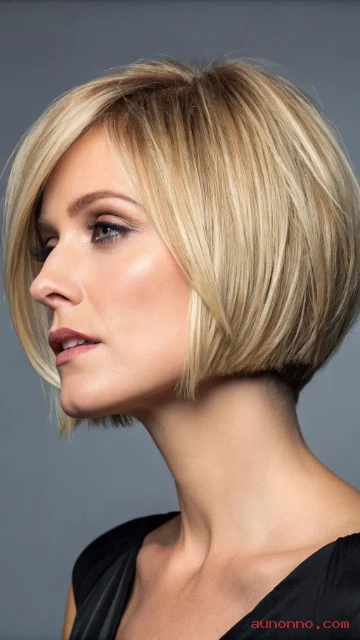
The back stacks up short while the front stays longer. This creates a dramatic slope from your nape to your chin. It gives you lots of volume right at the crown.
Women with fine hair love this cut for the lift it provides. The stacked layers remove weight without losing length in front.
You can blow-dry with a round brush upside down. That trick maximizes the volume even more.
The Textured Bob
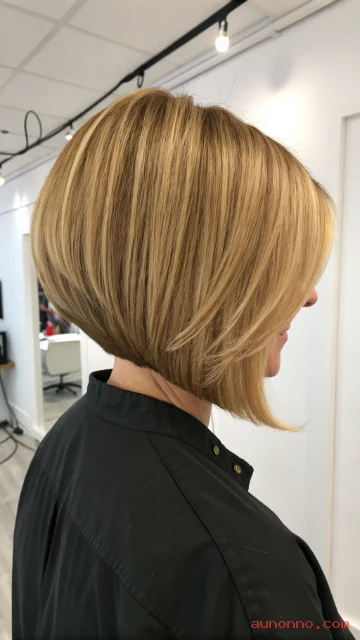
Thin layers throughout remove bulk and add movement. This bob looks messy in the best possible way. It is perfect for thick hair that feels too heavy.
A texturizing spray or sea salt spray enhances the piece-y effect. Just scrunch and go for a casual day out.
The cut also hides uneven growth patterns really well. So you can stretch time between salon visits easily.
The Curly Bob
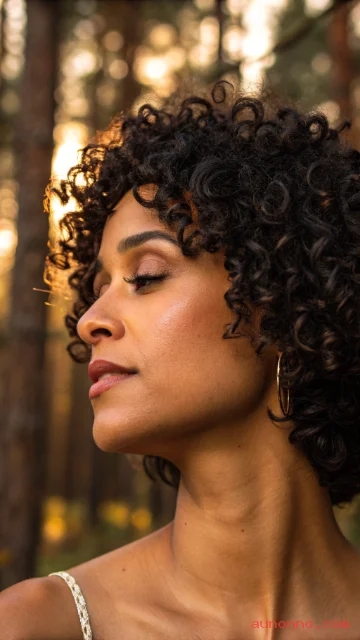
Curly hair gets a rounded shape when cut into a bob. The length sits somewhere between ear and shoulder. This lets your curls spring up without looking triangular.
Dry cutting is the best technique for this style. Your stylist should cut each curl individually.
Use a leave-in conditioner and a diffuser attachment. These products keep frizz away and definition strong.
The Short Bob (Micro Bob)
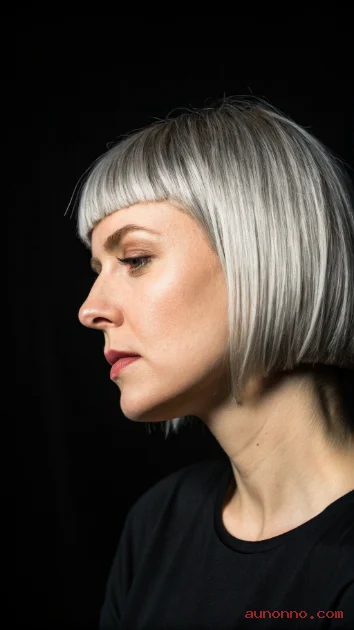
This version ends above your earlobes. It is a very bold and confident choice. The micro bob shows off your neck and jawline completely.
You will love how fast it dries after a shower. Two minutes with a hairdryer and you are done.
Keep the edges super sharp for the best effect. A weekly touch-up on the nape keeps it clean.
The Long Bob (Lob)
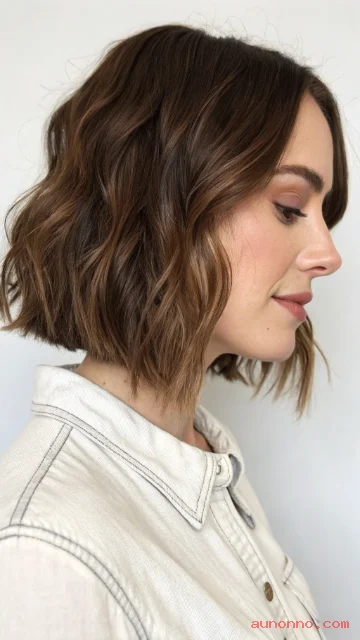
The lob falls anywhere between your collarbone and shoulders. It gives you bob-like shape with more versatility. You can still pull it into a small ponytail or bun.
This length works for every face shape. Round, oval, square, or heart-shaped faces all look great.
Styling options include loose waves, straight, or half-up looks. A 1-inch curling wand creates soft bends.
The A-Line Bob
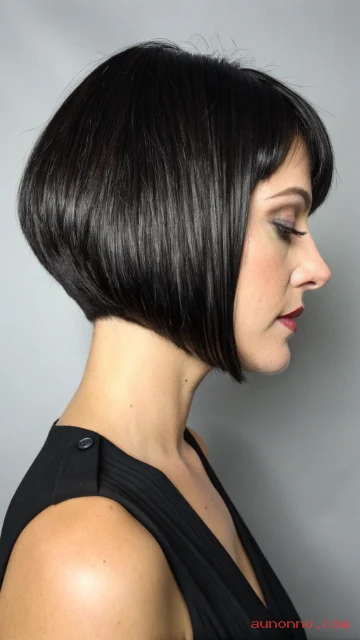
The front is significantly longer than the back. This creates a sharp diagonal line from your crown to your chin. It looks especially striking on straight hair.
You can ask for a subtle or extreme angle. A two-inch difference between back and front is very common.
Blow-dry with a paddle brush pulling forward. That motion enhances the A-line effect perfectly.
The Blunt Bob
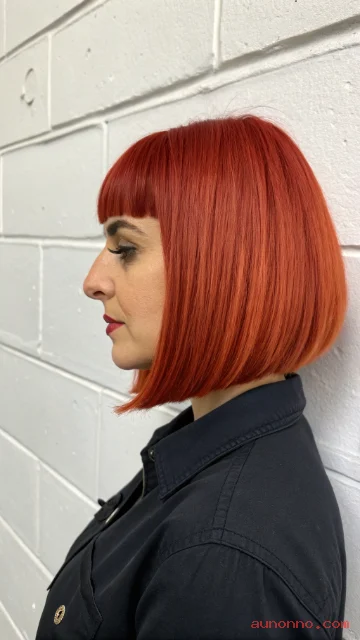
All ends are cut to the exact same length. No layers, no texturizing, just one straight line. This bob makes hair look thick and healthy.
It works best on very straight hair. Wavy or curly hair may need regular flat ironing to maintain the bluntness.
Ask your stylist for a “precision cut” with scissors only. Razors can ruin the clean edge.
The Choppy Bob
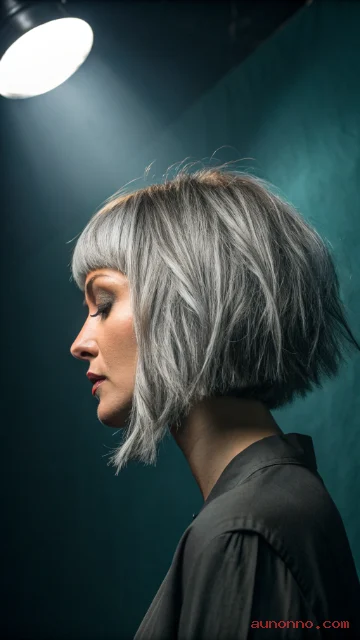
This cut uses point-cutting techniques to create jagged ends. The result is a punk-rock, edgy look. It removes a lot of weight while keeping length.
You can wear it messy or sleek. Messy gives you a bedhead vibe, while sleek looks futuristic.
Use a paste or wax to define the individual chunks. Rub a pea-sized amount between your palms first.
The Graduated Bob
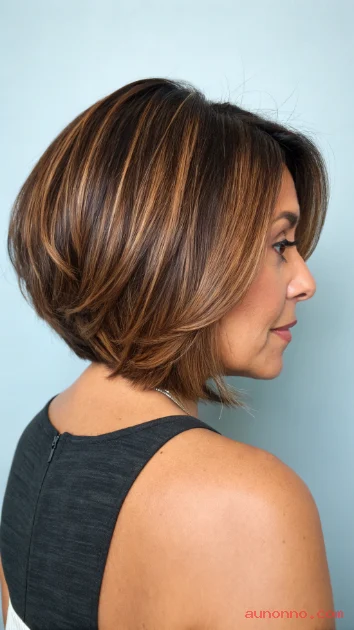
Graduation means shorter layers stacked underneath longer top layers. This creates a rounded, voluminous shape. The back often has more graduation than the front.
It is a great choice for thin or fine hair. The internal structure gives the illusion of density.
Blow-dry with a vent brush lifting at the roots. Direct the air downward to keep the cuticle smooth.
The Undercut Bob
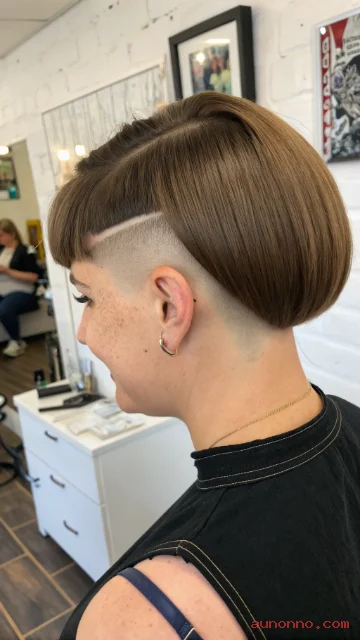
The top section is cut into a bob shape. The lower section, usually underneath at the nape, is shaved or clipped very short. This hidden detail adds surprise and reduces bulk.
You can show off the undercut with an updo. Or keep it hidden for a conservative workplace.
The shaved part needs maintenance every three weeks. A trimmer at home can keep it tidy between salon visits.
The Shaggy Bob

This combines a shag’s layers with a bob’s length. You get lots of texture and a slightly disheveled look. Curtain bangs often accompany this style.
It flatters wavy and curly hair the most. Straight hair needs texturizing products to match the vibe.
Let your hair air dry for the best effect. Just add a little mousse and go.
The Wavy Bob
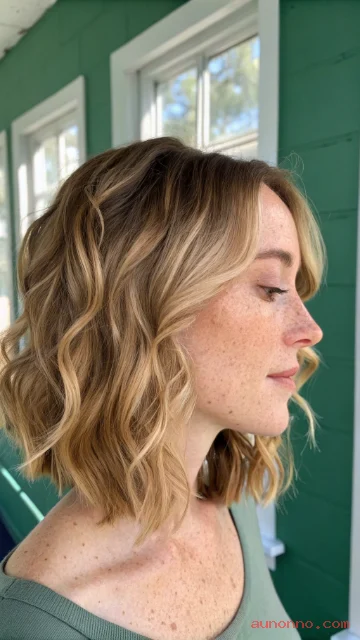
A wavy bob starts with a straight cut. Then you add soft waves using a wand or braids overnight. The waves give the bob a romantic, beachy feel.
Use a 1.5-inch curling iron for loose bends. Alternate the direction of each curl for a natural look.
A salt spray adds grit and hold. Shake the bottle well before spraying.
The Sleek Bob
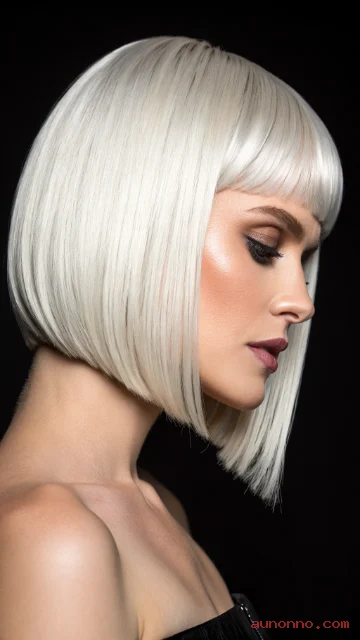
This is the polished, red-carpet version. Every hair lies flat and perfectly smooth. You need a good flat iron and heat protectant.
Part your hair precisely down the middle or deep on one side. Use a comb to guide the flat iron.
Finish with a few drops of shine serum. Rub your hands together and smooth over the surface.
The Angled Bob
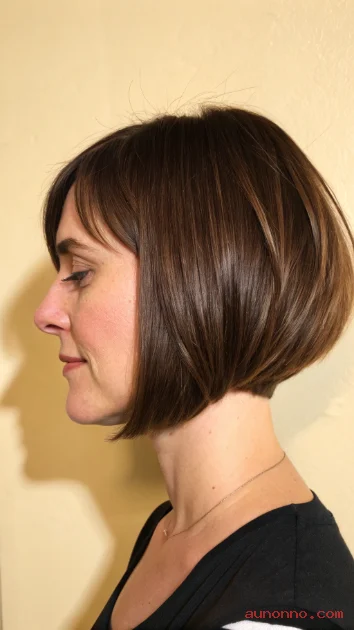
Similar to an A-line bob but with a softer transition. The angle from back to front is smooth and gradual. This avoids the severe look of a sharp A-line.
It works on both straight and wavy hair. The gentle angle elongates the neck nicely.
Ask your stylist for a “soft angle” of about one inch. That small difference makes a big impact.
The Micro Bob with Bangs
Add full or curtain bangs to a micro bob. The bangs frame your forehead while the short length shows your jaw. This combination is very French-girl chic.
Wash and blow-dry the bangs every morning. They tend to get oily faster than the rest.
Use a small round brush to curve the bangs slightly. That prevents them from looking flat.
The Italian Bob
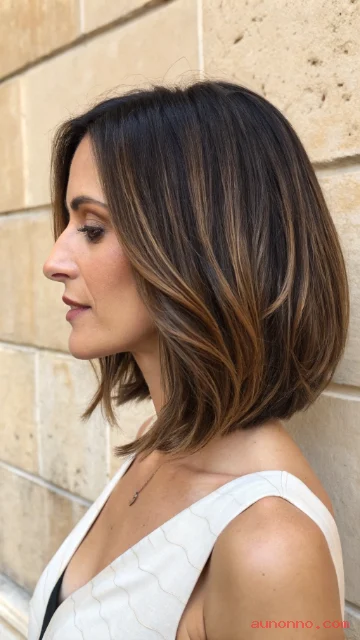
This bob is longer in front and shorter in back. But the back is not as stacked as an inverted bob. It has a soft, rounded silhouette with movement.
Celebrities like Hailey Bieber made this popular. It looks great with a middle part and slight bend at the ends.
Use a large barrel curling iron for just one turn. Then brush out the curls for a blown-out effect.
The Bubble Bob
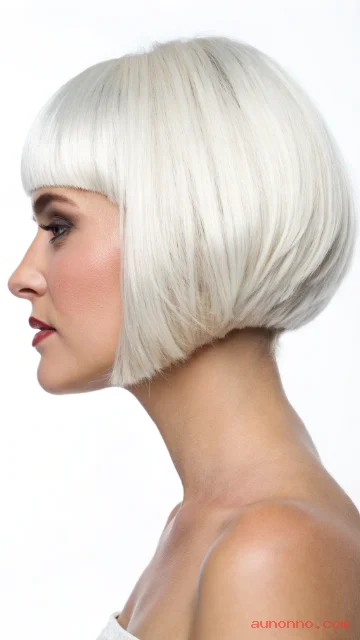
The bubble bob features two distinct rounded sections. The top section is cut shorter, and the bottom is longer. A visible “bubble” or gap of space appears between them.
This is a very modern, architectural cut. It works only on very straight, thick hair.
Styling requires keeping both sections separate. Use a gel to define the gap clearly.
The French Bob

This chin-skimming bob often comes with a micro fringe. The overall shape is slightly rounded and very chic. It looks effortless yet intentional.
Pair it with a beret or a silk scarf. That accessory instantly upgrades the French vibe.
Let your hair dry naturally for a lived-in texture. The French bob should never look over-styled.
The Layered Bob
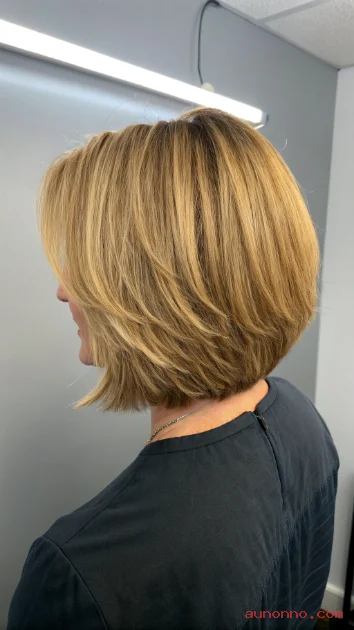
Multiple layers are cut throughout the entire bob. This removes weight and adds volume and movement. It is a go-to for people with thick, heavy hair.
Layers also help curly hair form better ringlets. They prevent the dreaded triangle shape.
Blow-dry with a diffuser and scrunch upwards. That encourages the layers to separate beautifully.
The Box Bob
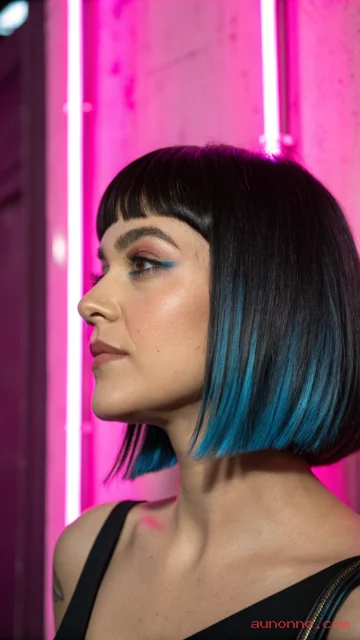
The box bob is cut with a perfectly horizontal line. The sides are also straight up and down. This creates a literal box shape around the head.
It is a very geometric and bold statement. It suits people with strong jawlines and long necks.
Maintain the shape with a razor-sharp trim every month. Any growth will ruin the box illusion.
The Twisted Bob
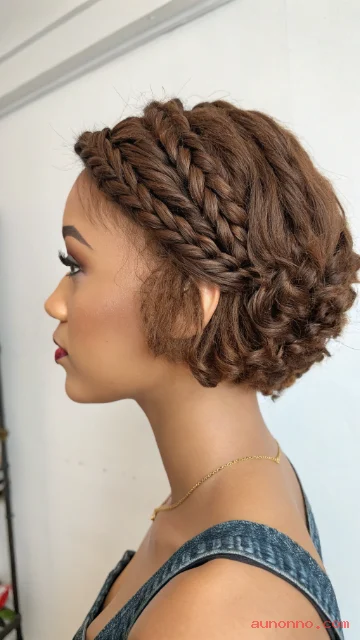
This is not a cut but a styling technique. You twist small sections of your bob and pin them. The result looks like a textured, braided bob without actual braiding.
It works great for second-day hair. The twists hold better when hair has some grip.
Use small clear elastics and bobby pins. Twist each section away from your face for a neater look.
The Spiky Bob
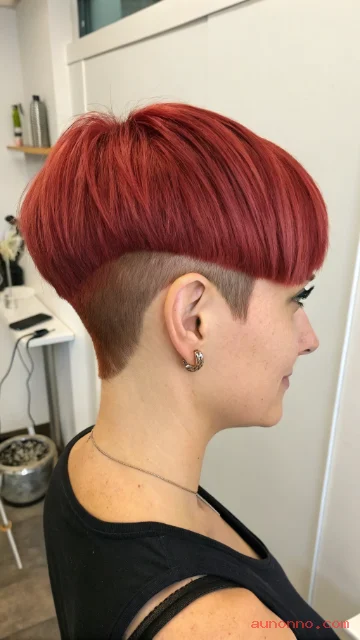
The back and sides are cut very short in a tapered way. The top is left longer into a bob shape. You then use product to spike the ends.
This is a punk or edgy take on the bob. It works well for people who love bold fashion.
Use a strong-hold gel or wax. Apply it evenly and then pinch the ends into spikes.
The Brushed-Out Curl Bob
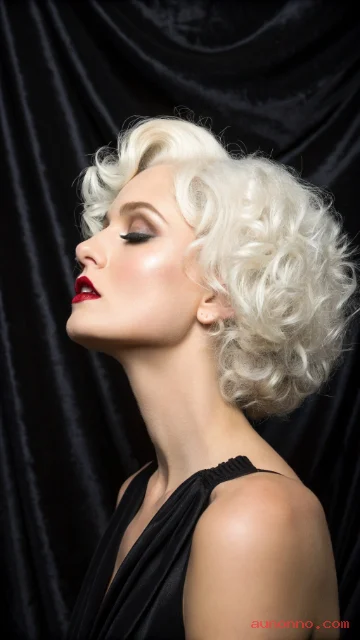
You curl your bob tightly with a small iron. Then you brush the curls out completely with a boar bristle brush. This creates a soft, fluffy, vintage wave pattern.
It gives you massive volume without backcombing. The brushed-out texture looks like old Hollywood glamour.
Finish with a light hairspray to hold the fluff. Do not use heavy products or the curls will fall.
The Low-Maintenance Bob
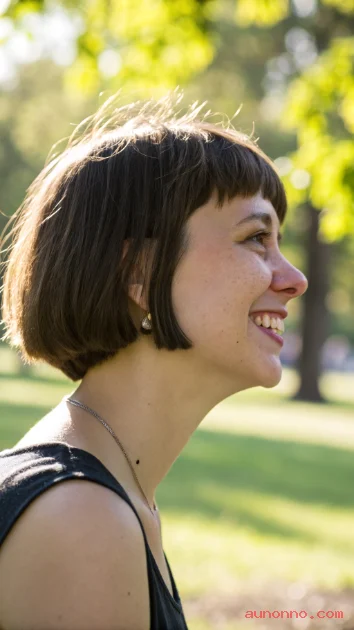
This bob uses a longer length and natural texture. The cut is deliberately imperfect so regrowth looks intentional. You can go three to four months between cuts.
Ask your stylist for a “rounded” shape with no harsh lines. A few long layers help hide split ends.
Wash twice a week and use dry shampoo in between. Air dry and go for the easiest routine.
Frequently Asked Questions (FAQ)
1. What exactly is a bob cut?
A bob cut is a short to medium-length hairstyle. It typically ends somewhere between the ears and shoulders. The cut is usually even all around or slightly longer in front.
2. Will a bob suit my round face?
Yes, many bobs suit round faces. An asymmetrical or angled bob with length in front works best. Avoid blunt bobs that end exactly at the widest part of your cheeks.
**3. How often should I trim my bob?
You should trim a short bob every four to six weeks. A longer bob (lob) can go six to eight weeks between trims. Regular trims keep the shape sharp and healthy.
4. Can I wear a bob with curly hair?
Absolutely, a curly bob is very popular. Just ask for a dry cut so the stylist sees your natural curl pattern. Keep the length a bit longer because curls spring up when dry.
5. Which bob is best for fine, thin hair?
A graduated or inverted bob adds the most volume. The stacked layers at the back create lift and density. Avoid long, heavy bobs that will drag fine hair down.
6. How do I style a bob without heat?
Use foam rollers or flexi rods on damp hair overnight. You can also braid your damp bob into two or four braids. Let it dry completely and then take out the braids for waves.
7. What products do I need for a sleek bob?
You need a heat protectant spray, a flat iron, and a shine serum. A fine-tooth comb also helps guide the flat iron. Finish with a firm-hold hairspray.
8. Will bangs look good with my bob?
Bangs and bobs are a classic pair. Curtain bangs work with almost every bob length. Full bangs look best on chin-length or micro bobs.
Conclusion
You now have 26 bob cut ideas to take to your next salon appointment. Each style offers something different, from edgy undercuts to soft, romantic waves. The right bob will complement your face shape, hair texture, and daily routine.
Short bobs save you time in the morning, while longer lobs give you styling versatility. Textured cuts hide imperfections, and blunt cuts make a bold statement.