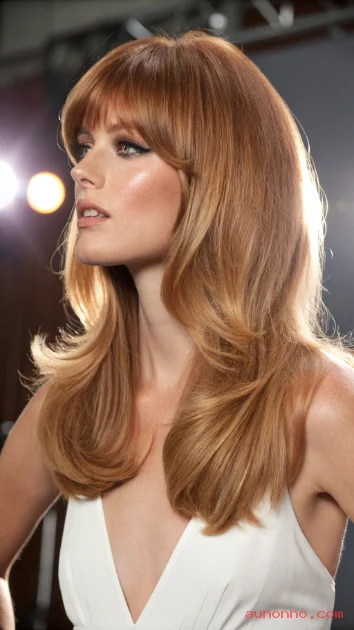
The 70s layered long shag haircut is making a major comeback in modern salons. This iconic style offers incredible volume, movement, and effortless cool for any hair type. The 25 ideas below showcase the versatility of the 70s layered long shag for today’s fashion-forward individuals.
The Classic Feathered Shag
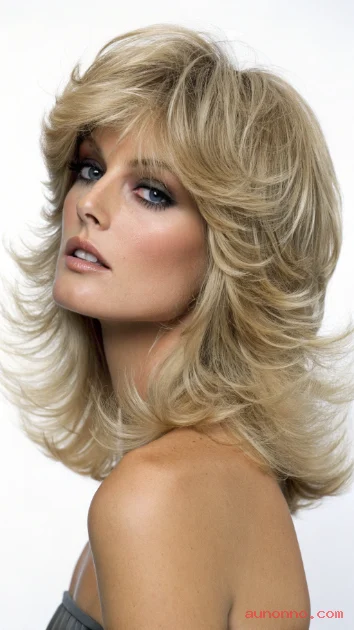
The classic feathered shag represents the purest form of the 70s layered long shag haircut. This style features soft, wispy layers that cascade down the back and shoulders. The feathered effect creates a light and airy appearance that moves beautifully with every step.
Celebrities like Farrah Fawcett made this version of the 70s layered long shag incredibly famous. The layers start at the cheekbones and continue down to the ends. This technique removes bulk while adding incredible movement and bounce to the hair.
Styling the classic feathered shag requires a round brush and a blow dryer. You should roll the hair upward at the roots to create maximum volume. The feathered ends flip outward slightly for that signature 70s appeal.
The Curly Shag with Long Layers
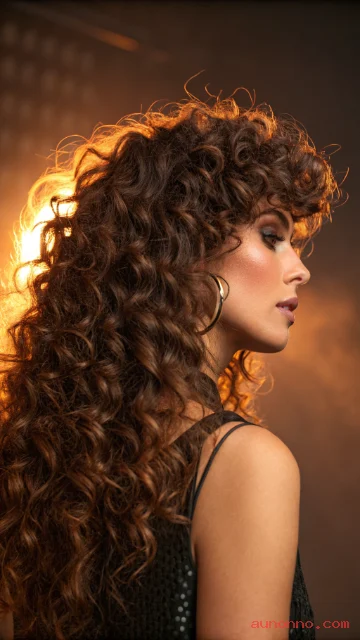
Curly hair transforms the 70s layered long shag into a bouncy, voluminous masterpiece. The long layers remove excess weight while allowing natural curls to spring upward. This version celebrates texture and embraces the natural curl pattern beautifully.
The curly shag works best with layered cuts that start at the crown. These strategic layers prevent the dreaded triangular shape that curls often create. The 70s layered long shag for curly hair provides shape and definition without sacrificing length.
You should use a diffuser attachment when drying this curly shag style. Apply curl cream to soaking wet hair before scrunching gently upward. The result showcases bouncy, defined curls with plenty of retro attitude.
The Wispy Bangs Shag
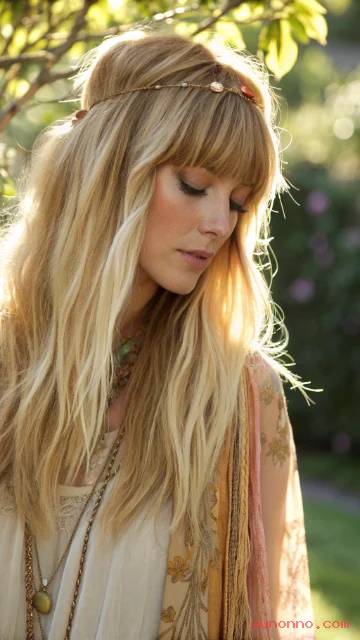
Wispy bangs add a romantic touch to the 70s layered long shag haircut. These delicate fringe pieces frame the forehead and soften facial features. The bangs blend seamlessly into the longer layers throughout the rest of the hair.
This variation of the 70s layered long shag works wonderfully for heart-shaped faces. The wispy bangs draw attention to the eyes and cheekbones. The longer layers below add balance and movement to the overall silhouette.
Maintaining wispy bangs requires regular trims every three to four weeks. You can style them with a small round brush for a gentle curve. The bangs should never appear heavy or blunt in this romantic style.
The Textured Razor Cut Shag
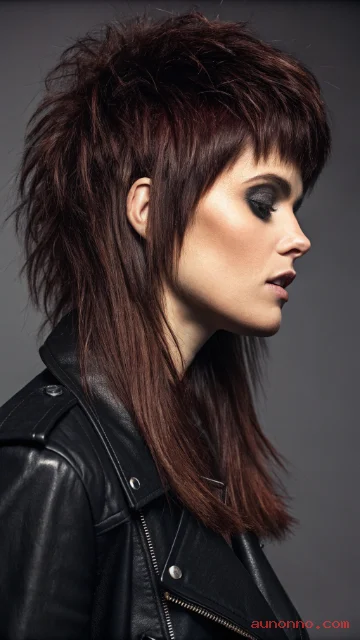
The razor cut technique creates incredible texture in the 70s layered long shag. This method involves using a straight razor instead of scissors for cutting. The razor produces jagged, piecey ends that add edgy dimension to the style.
Texture becomes the star of this particular 70s layered long shag variation. The razor removes bulk while creating visible separation between each layer. This approach works especially well for fine hair that needs extra body.
Styling the razor cut shag requires minimal effort and time. You can apply a texturizing spray to damp hair before air drying. The razor-cut ends naturally fall into place with an effortlessly cool appearance.
The Shag with Curtain Bangs
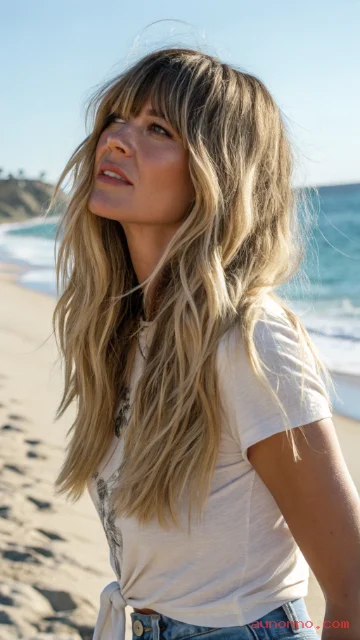
Curtain bangs perfectly complement the 70s layered long shag haircut. These center-parted bangs sweep to each side like opening curtains. The style frames the face beautifully while maintaining that signature 70s vibe.
This version of the 70s layered long shag offers incredible versatility for styling. You can wear the curtain bangs straight, wavy, or curled under. The longer layers below provide endless options for updos and half-styles.
Curtain bangs blend effortlessly into the shag’s layered structure. The transition from bangs to longer layers appears seamless and natural. This creates a cohesive look that flatters virtually every face shape.
The Disco-Inspired Layered Shag
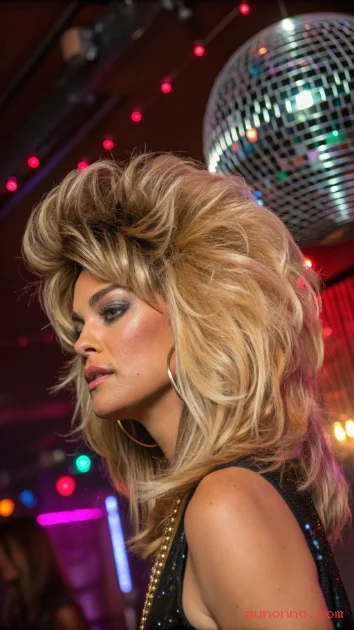
The disco era brought glamour to the 70s layered long shag haircut. This version features bigger, bolder layers with maximum volume at the crown. The style screams Saturday night fever and dance floor confidence.
Disco-inspired shags often include highlights and lowlights for added dimension. The layered cut allows these colors to shine through brilliantly. The movement created by the layers catches light beautifully on the dance floor.
Achieving this voluminous 70s layered long shag requires some teasing at the roots. You should use a volumizing mousse before blow drying upside down. The final look showcases dramatic height and glorious 70s excess.
The Long Shag with Side-Swept Layers
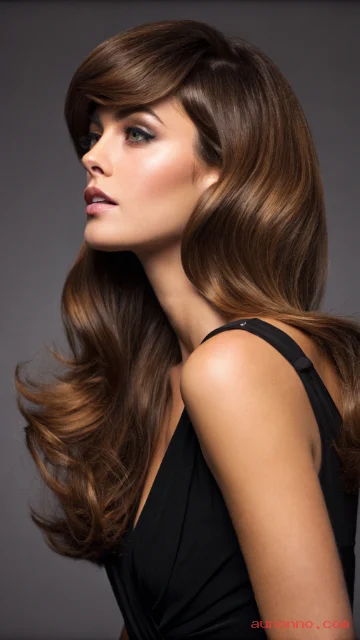
Side-swept layers add asymmetry and drama to the 70s layered long shag. This style directs most of the hair to one side for visual interest. The deep side part creates instant sophistication and modern appeal.
This particular 70s layered long shag works wonderfully for oval and round faces. The side-swept layers elongate the face while softening the jawline. The uneven distribution of volume adds an element of unexpected style.
Styling this version requires a side part and some styling cream. You should blow dry the layers toward the heavier side. The result shows off a glamorous, red-carpet-ready appearance.
The Bohemian Wavy Shag
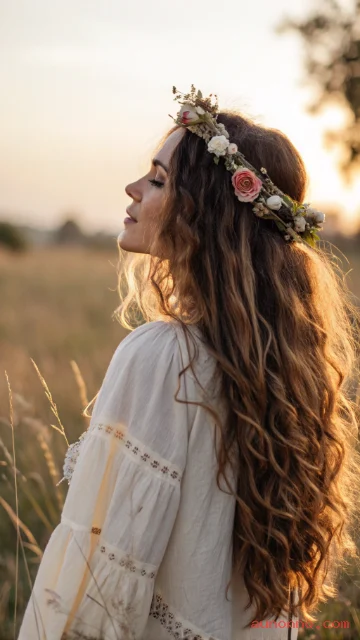
The bohemian wavy shag embodies free-spirited 70s style perfectly. This version of the 70s layered long shag features loose, beachy waves throughout. The layers enhance the natural wave pattern for effortless bohemian charm.
Bohemian waves work best with long layers that start below the chin. These strategic layers prevent the waves from looking too heavy or weighed down. The 70s layered long shag in this style channels Stevie Nicks vibes beautifully.
Creating bohemian waves requires a salt spray or wave-enhancing product. You can braid damp hair overnight for heatless waves. The layered cut ensures these waves fall perfectly every time.
The Shag with Choppy Ends
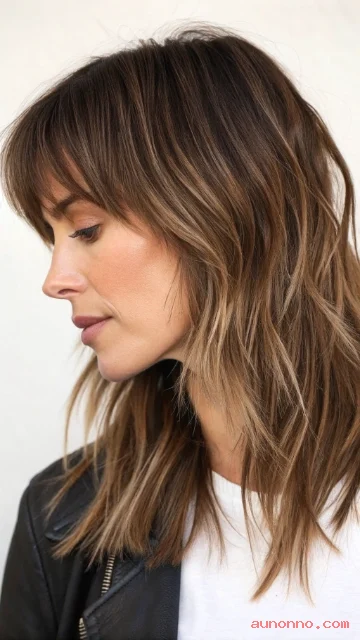
Choppy ends give the 70s layered long shag an edgy, modern update. This technique creates blunt, disconnected ends that add rock-and-roll attitude. The choppy finish removes weight while creating visual texture and movement.
This version of the 70s layered long shag appeals to those wanting bold style. The choppy ends stand out against smoother, longer layers above. The contrast creates dimension that catches the eye immediately.
Styling choppy ends requires minimal product for maximum effect. You can use a small amount of styling wax on the tips. The wax defines the choppy ends while keeping the overall look piecey.
The Layered Shag with Face-Framing Highlights
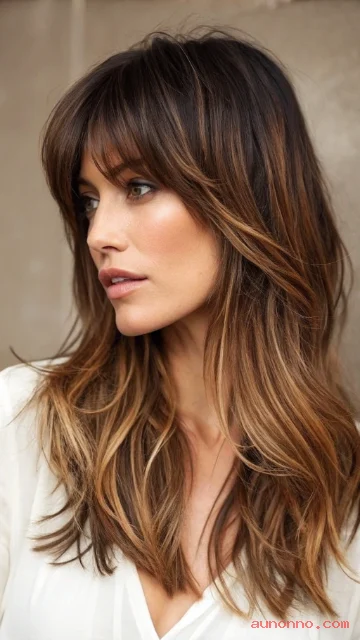
Face-framing highlights brighten the 70s layered long shag beautifully. These lighter pieces surround the face to create a radiant, sun-kissed effect. The highlights draw attention to your best features while adding dimension.
This variation of the 70s layered long shag works for every hair color. Blondes can add platinum face-framing pieces for contrast. Brunettes might choose caramel or honey tones for warmth and brightness.
The layered structure allows the highlights to truly shine and pop. Each layer catches the light differently thanks to the strategic placement. The result looks expensive, dimensional, and completely custom-made.
The Shag with Long, Flowing Layers
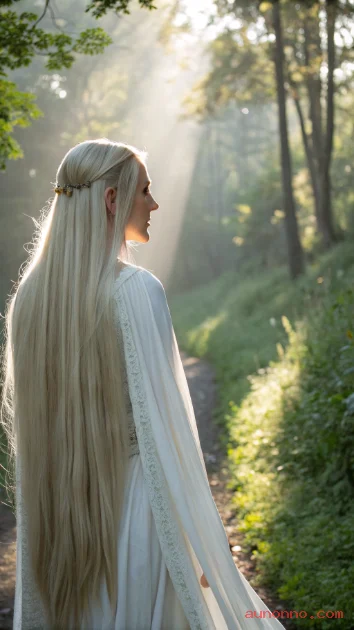
Long, flowing layers create a romantic interpretation of the 70s layered long shag. This version maintains more length while still offering plenty of movement. The layers start lower, preserving overall length for a feminine silhouette.
This particular 70s layered long shag works beautifully for those with long hair. The gentle layers remove just enough weight for manageability. The flowing effect creates a mermaid-like appearance that feels timeless and elegant.
Styling long flowing layers requires a large barrel curling iron. You can create soft waves that start at the mid-lengths. The result showcases the layers’ movement while maintaining luxurious length.
The Shag with Micro Bangs
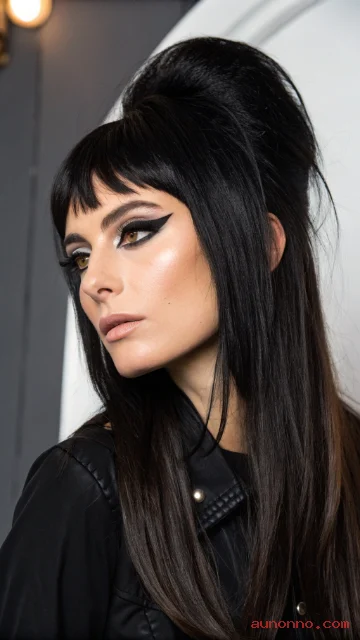
Micro bangs offer a bold twist on the 70s layered long shag haircut. These very short bangs sit high on the forehead for dramatic effect. The contrast between micro bangs and long layers creates unforgettable style.
This daring version of the 70s layered long shag suits confident individuals. The short bangs highlight the eyes and brow bone area. The long layers below provide balance to this edgy, fashion-forward choice.
Micro bangs require commitment and regular maintenance appointments. You should trim these bangs every two weeks for precision. The style works best with sleek, straight textures for maximum impact.
The Shag with Beachy Texture
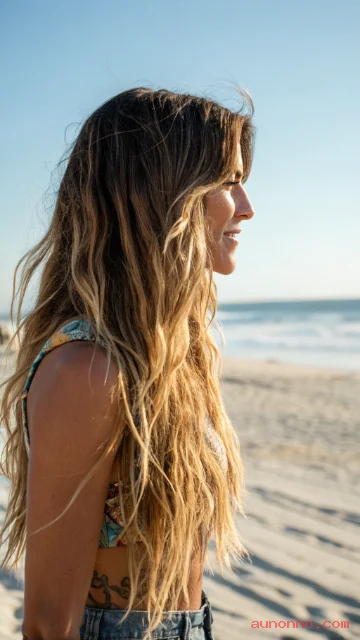
Beachy texture gives the 70s layered long shag a casual, sun-drenched feel. This style mimics the effortless texture of saltwater and sun exposure. The layers enhance this natural, tousled appearance beautifully.
The beachy shag version of the 70s layered long shag works for all hair types. Fine hair gains body and movement from the textured layers. Thick hair benefits from the weight reduction and added flow.
Achieving beachy texture requires sea salt spray and scrunching. You should air dry or diffuse the hair for best results. The layered cut ensures the beachy texture looks intentional and stylish.
The Shag with Underlayer Color
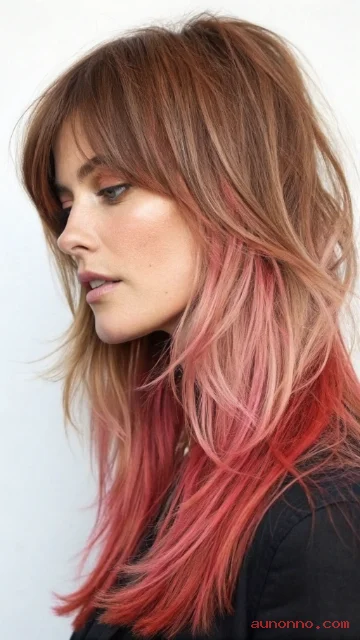
Underlayer color adds a hidden surprise to the 70s layered long shag. This technique involves coloring the bottom layers a different shade. The top layers reveal the hidden color when the hair moves.
This creative version of the 70s layered long shag offers endless color possibilities. You can choose pastel pink, vivid red, or any bold shade. The underlayer color peeks through the long layers for dimension.
Styling underlayer color requires strategic parting and movement. The hidden color shows best when you flip or toss your hair. The layered cut ensures the underlayer color catches the light frequently.
The Shag with Soft Curls at the Ends
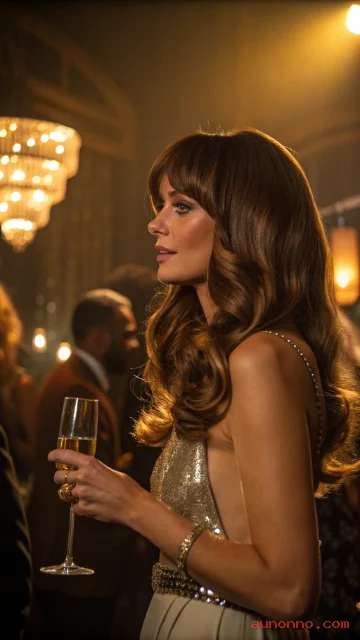
Soft curls at the ends create a romantic 70s layered long shag variation. This style features straight or wavy hair with curled-under ends. The effect looks polished, feminine, and incredibly put-together.
This version of the 70s layered long shag works for special occasions. The curled ends add bounce and movement to the layered cut. The style transitions beautifully from day to night with minimal effort.
Creating soft curled ends requires a large curling iron or hot rollers. You should curl only the last two inches of the hair. The layered cut ensures these curls frame the shoulders perfectly.
The Shag with Flipped-Out Layers
Flipped-out layers give the 70s layered long shag a playful, energetic feel. This style features ends that curl outward instead of inward. The flip creates movement and attitude that defines 70s style.
This particular 70s layered long shag channels serious retro vibes. The outward flip appears at the ends of each layer. The overall effect looks bouncy, fun, and full of personality.
Achieving flipped-out layers requires a round brush technique. You should roll the brush outward while blow drying the ends. The layered cut ensures each flipped section has perfect placement.
The Shag with Long Fringe
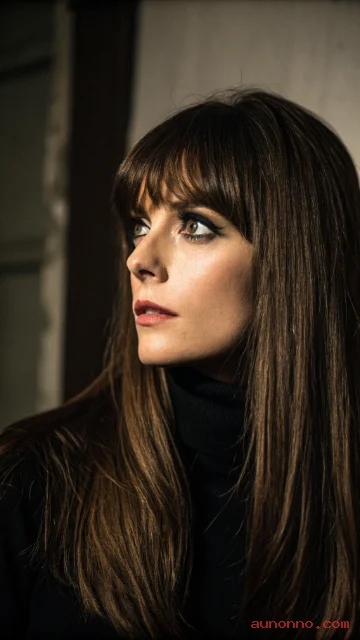
Long fringe adds mystery to the 70s layered long shag haircut. This style features bangs that reach the eyelashes or cheekbones. The longer fringe creates a seductive, eyes-half-hidden appearance.
This version of the 70s layered long shag suits those who love drama. The long fringe blends seamlessly with the rest of the layers. The overall effect looks effortlessly cool and slightly mysterious.
Styling long fringe requires some texturizing product for separation. You can sweep the fringe to the side for variety. The layered cut ensures the fringe moves naturally with the rest of the hair.
The Shag with Subtle Highlights
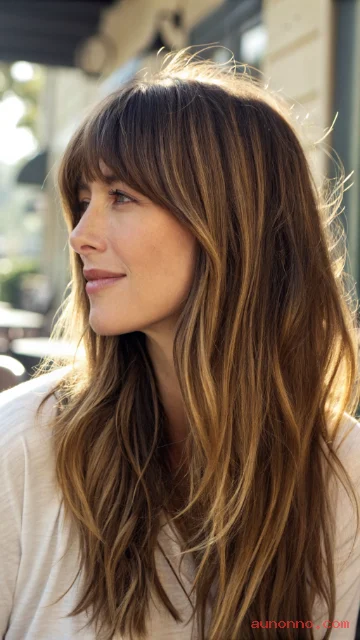
Subtle highlights add dimension to the 70s layered long shag without drama. This technique uses fine, delicate highlights throughout the layers. The effect looks natural, sun-kissed, and completely effortless.
This approach to the 70s layered long shag works for professional settings. The subtle highlights enhance the layered cut without screaming for attention. The result appears polished, sophisticated, and very wearable.
Subtle highlights require a skilled colorist for the best effect. You should request baby lights or fine weave highlights. The layered cut ensures these highlights catch the light naturally.
The Shag with Ombré Color
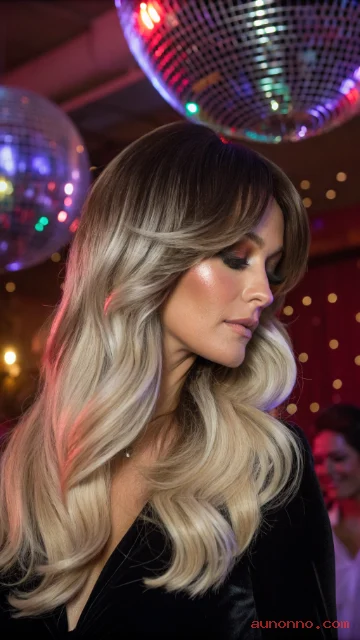
Ombré color gives the 70s layered long shag a modern gradient effect. This technique transitions from darker roots to lighter ends. The layered cut showcases the color transition beautifully.
This version of the 70s layered long shag offers low-maintenance color options. The darker roots require less frequent touch-ups than solid color. The lighter ends add brightness and movement to the style.
Ombré works wonderfully with the layered structure of the shag. Each layer displays a slightly different shade of the gradient. The effect looks dimensional, modern, and fashion-forward.
The Shag with Swooping Layers
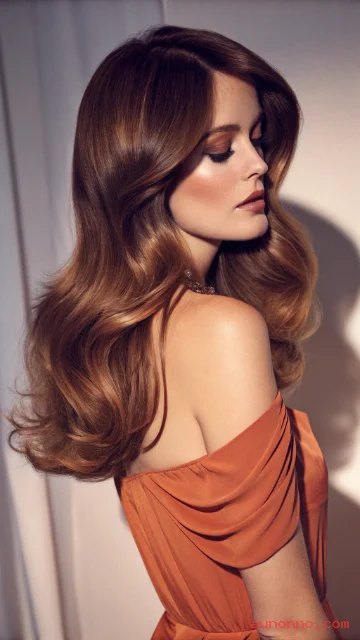
Swooping layers create drama in the 70s layered long shag haircut. This technique involves cutting layers that curve and sweep dramatically. The swooping effect adds elegance and movement to the style.
This particular 70s layered long shag works for formal occasions. The swooping layers frame the face and shoulders elegantly. The overall effect looks red-carpet ready and incredibly polished.
Styling swooping layers requires a large barrel curling iron. You should curl sections away from the face for the sweep effect. The layered cut ensures the swoop maintains its shape beautifully.
The Shag with Piecey Texture
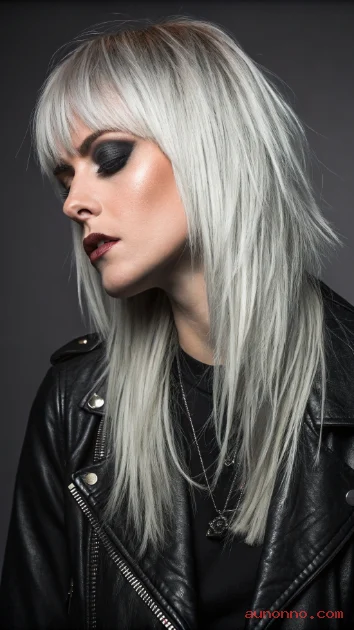
Piecey texture adds edgy definition to the 70s layered long shag. This style features separated, distinct pieces throughout the layers. The piecey effect creates a rock-and-roll attitude and modern appeal.
This version of the 70s layered long shag works for those wanting edge. The separated pieces add structure and definition to the style. The overall effect looks intentional, styled, and very cool.
Achieving piecey texture requires a strong-hold styling product. You should apply pomade or wax to individual sections. The layered cut ensures each piece separates perfectly from the others.
The Shag with Long Side Bangs
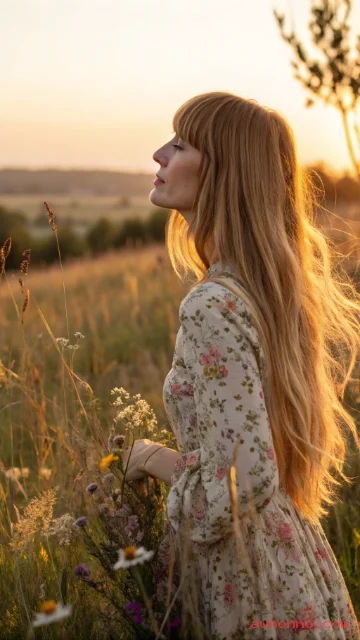
Long side bangs add asymmetry to the 70s layered long shag haircut. This style features bangs that sweep diagonally across the forehead. The side-swept effect adds interest and face-framing definition.
This variation of the 70s layered long shag suits nearly every face shape. The diagonal line created by the side bangs is universally flattering. The longer side bangs blend into the layers for a cohesive look.
Styling long side bangs requires blow drying them in the right direction. You should use a round brush to sweep them across. The layered cut ensures the side bangs move naturally with the style.
The Shag with Voluminous Crown
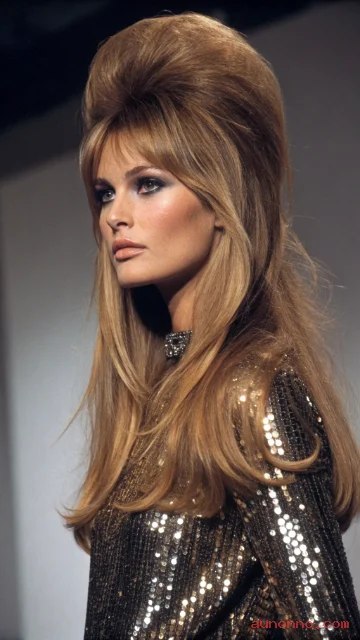
Voluminous crown creates height in the 70s layered long shag haircut. This style focuses on building volume at the very top of the head. The height balances the length and adds retro glamour.
This version of the 70s layered long shag works for special events. The lifted crown adds inches of height and drama to the style. The longer layers below provide balance and movement to the overall look.
Achieving a voluminous crown requires backcombing and hairspray. You should tease the roots at the crown gently. The layered cut supports this lifted effect beautifully.
The Shag with Effortless Waves
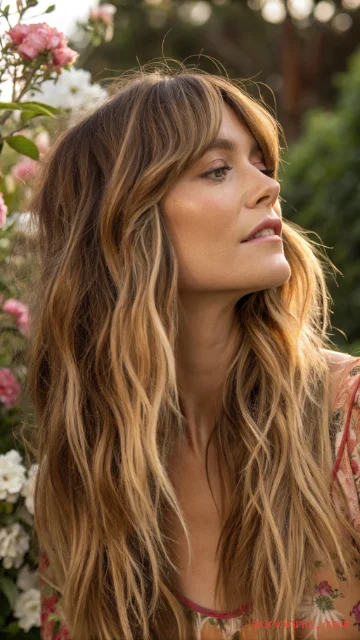
Effortless waves give the 70s layered long shag a relaxed feel. This style features loose, undone waves throughout the layers. The waves add texture while maintaining an effortlessly cool appearance.
This particular 70s layered long shag works for everyday wear. The relaxed waves look beautiful whether styled or air-dried. The layered cut ensures the waves fall naturally without looking overdone.
Creating effortless waves requires minimal heat styling for best results. You can braid damp hair or use a wave-enhancing product. The layered cut ensures these waves look intentional and beautiful.
The Modern Shag with Blunt Ends
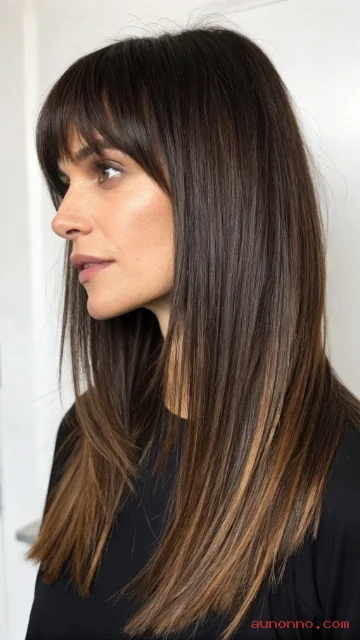
Blunt ends offer a contemporary twist on the 70s layered long shag. This style features layered top sections with a straighter, blunter bottom edge. The contrast between layers and blunt ends creates modern sophistication.
This updated version of the 70s layered long shag bridges retro and current trends. The blunt ends add weight and polish to the bottom of the style. The layers above provide movement and texture without compromising the hemline.
Styling this modern shag requires a flat iron for the ends. You should smooth the bottom section for that blunt finish. The layered cut ensures the top remains full of movement and body.
Frequently Asked Questions
What is a 70s layered long shag haircut?
A 70s layered long shag is a retro hairstyle featuring multiple layers throughout long hair, creating volume, movement, and texture. The cut typically includes feathered ends and face-framing layers. This iconic style originated in the 1970s and remains popular today.
Does the 70s layered long shag work for thin hair?
Yes, the 70s layered long shag actually adds incredible volume to thin hair through strategic layering. The layers create the illusion of thickness and movement. Removing weight from the ends allows fine hair to bounce up beautifully.
How often should I trim my 70s layered long shag?
You should trim your 70s layered long shag every six to eight weeks for maintenance. Regular trims keep the layers defined and prevent split ends. The shag relies on precise layering that requires consistent upkeep.
Can I style a 70s layered long shag with heat tools?
Yes, you can style a 70s layered long shag using curling irons, flat irons, and blow dryers. Always use a heat protectant spray before applying any heat. The layered cut responds beautifully to various styling techniques.
What face shapes suit the 70s layered long shag?
The 70s layered long shag flatters virtually every face shape when customized properly. Round faces benefit from longer layers that elongate the face. Square faces look softer with wispy, face-framing pieces throughout.
Is the 70s layered long shag high maintenance?
The 70s layered long shag is actually quite low maintenance compared to many other styles. The layers allow for effortless air-drying and quick styling. Regular trims are the primary maintenance requirement for this cut.
What products work best for a 70s layered long shag?
Texturizing sprays, volumizing mousses, and lightweight serums work wonderfully for this cut. These products enhance the layers without weighing down the hair. Choose products that add texture and movement to the style.
Can I wear my 70s layered long shag in an updo?
Yes, the 70s layered long shag works beautifully for updos and half-up styles. The layers create texture and dimension even when pinned up. The face-framing pieces add softness to any formal hairstyle.
Does the 70s layered long shag suit curly hair?
Absolutely, the 70s layered long shag is fantastic for curly hair textures. The layers remove excess weight and allow curls to spring up naturally. This cut prevents the heavy triangle effect that curls often create.
How do I ask my stylist for a 70s layered long shag?
You should ask for long layers with lots of texture and movement throughout. Mention feathered ends and face-framing pieces for authenticity. Bring photos of your favorite 70s layered long shag examples.
Conclusion
The 70s layered long shag offers timeless style that adapts beautifully to modern trends. This versatile haircut works for every hair type, face shape, and personal style preference. The 25 ideas above demonstrate the incredible range of this iconic retro cut.
You can choose soft, romantic versions or bold, edgy interpretations. The 70s layered long shag delivers effortless style with minimal daily maintenance.