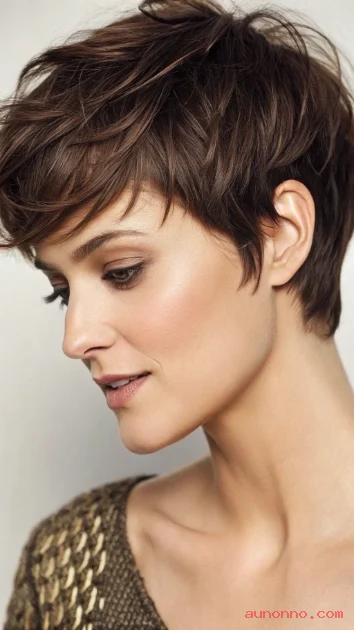
Looking for a fresh haircut? Short hair with layers gives you movement, volume, and easy styling. This guide covers 24 short hair with layers styles that work for straight, wavy, or curly hair.
The Classic Layered Pixie Cut
A layered pixie cut keeps hair short on the sides and longer on top. The layers add texture and lift at the crown. This style works best for oval and heart-shaped faces.
You can style it with a bit of pomade for a messy look. Or comb it smooth for a polished finish. The pixie grows out nicely because layers blend into each other.
Morning styling takes less than five minutes. Just rub some product between your palms and rake through. Your hair will look deliberately undone but put together.
The Textured Bob with Face-Framing Layers
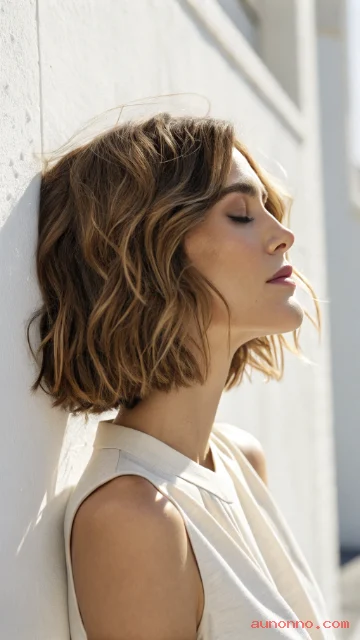
A textured bob falls between the chin and shoulders. Face-framing layers start at the cheekbones and taper down. This shape softens strong jawlines and highlights your eyes.
The layers remove bulk from thick hair. They also add illusion of fullness to fine hair. You can wear this bob straight, wavy, or with a slight bend.
Use a round brush when blow-drying to tuck the ends under. The face-framing pieces will curve toward your chin. This creates a flattering silhouette for most face shapes.
The Shaggy Layered Crop
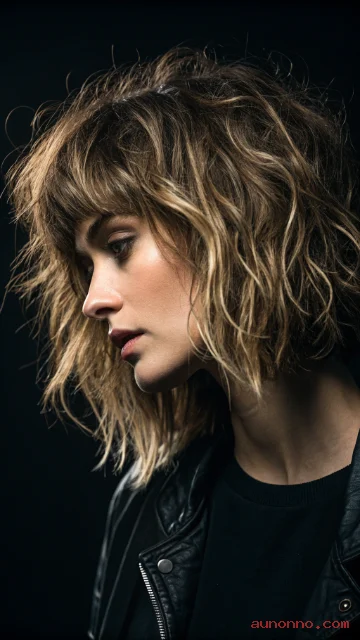
The shaggy crop features choppy layers throughout. This cut has a rock-and-roll vibe with lots of texture. It suits wavy or curly hair best.
Short layers at the crown create height and volume. Longer pieces around the ears keep the shape soft. The shaggy crop hides thinning areas effectively.
You need almost no styling tools for this look. Just towel-dry your hair and add a sea salt spray. Scrunch gently and let it air dry for perfect bedhead.
The Stacked Bob with Interior Layers
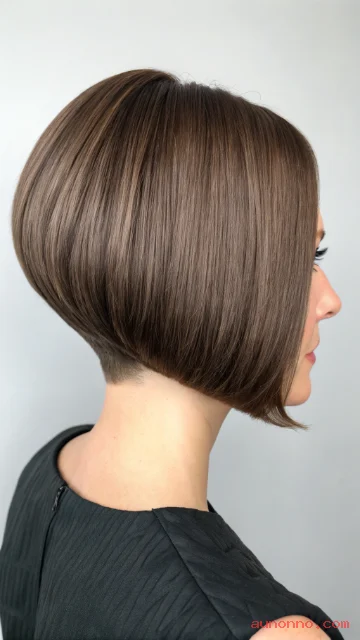
A stacked bob has shorter layers in the back that stack upward. Interior layers remove weight without changing the outer shape. This cut creates a rounded, full appearance at the nape.
The stacked back gives you instant volume. Interior layers prevent the dreaded triangle shape. This style works for straight and slightly wavy hair types.
Ask your stylist for a gentle stack, not an aggressive one. A soft stack grows out more gracefully. You will love how bouncy your hair looks after each wash.
The Asymmetrical Layered Bob
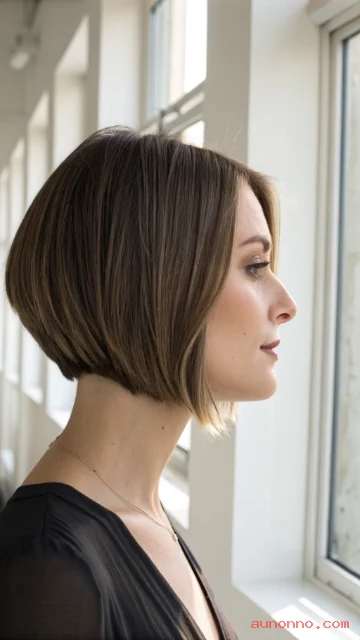
One side sits longer than the other in this cut. Layers add texture and prevent the asymmetrical line from looking harsh. This edgy style draws attention to your neck and collarbone.
The shorter side shows off one ear and earrings. The longer side sweeps across your forehead or tucks behind an ear. Layers keep both sides blending seamlessly.
You can part your hair on either side to change the look. A deep side part maximizes the asymmetry. Use a flat iron to create a gentle curve at the ends.
The Layered French Bob
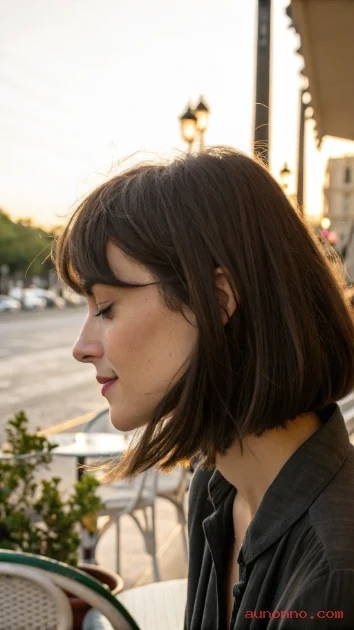
The French bob ends right at the jawline or above. Micro-layers add movement without losing the blunt perimeter. This chic cut often includes a short fringe.
The layers make the bob feel airy and light. Without layers, a French bob can look too severe. Micro-layers soften the entire shape beautifully.
Pair this cut with wispy bangs for extra charm. The bangs should graze your eyebrows. You will look like you just stepped out of a Parisian salon.
The Curly Layered Bob
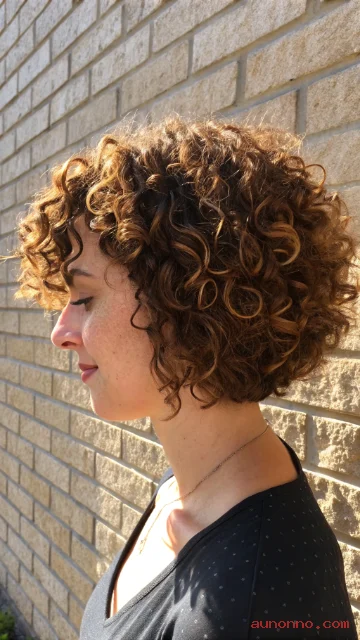
Curly hair needs layers to avoid a pyramid shape. A curly layered bob removes weight from the ends. This lets your curls spring up into a rounded form.
The shortest layers sit at the crown. Longer layers follow your natural curl pattern. This distribution gives you volume where you want it most.
Never thin curly hair with a razor. Use scissors and cut each curl individually. You will see bouncier, more defined curls after every wash day.
The Piecey Layered Pixie
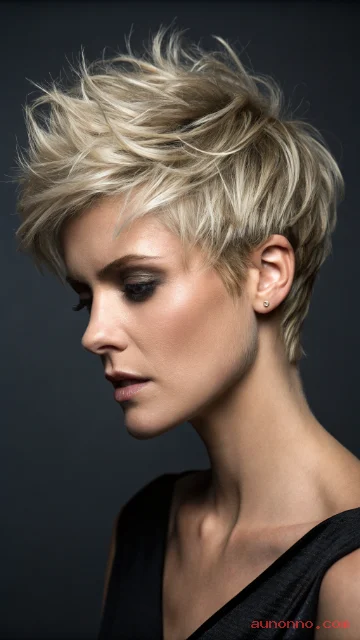
Piecey layers mean you see distinct separation between hair strands. This pixie uses point-cutting to create texture. Each piece moves independently for a spiky or tousled look.
Apply a wax or clay to define the pieces. Rub the product between your fingers first. Then pinch and pull small sections upward.
This style suits people with strong facial features. The piecey texture adds softness to angular jaws. You can change the direction of pieces for different moods.
The Long Layered Pixie (Pixie Bob)
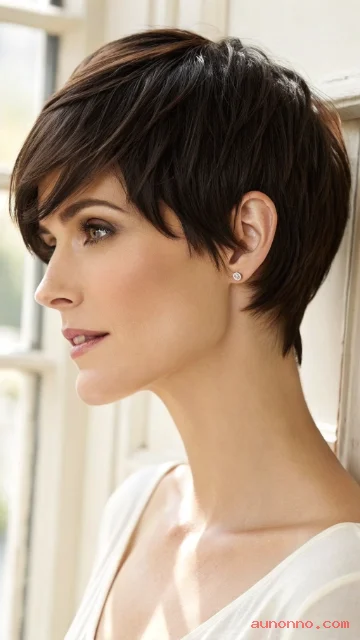
This hybrid cut combines a pixie and a bob. The back is short like a pixie. The front grows longer like a bob with layers throughout.
The long layers in front sweep across the forehead. Short layers at the back keep your neck cool. You get the best of both short hairstyles.
Tuck the longer front pieces behind your ears. Or let them frame your face freely. This versatile cut works for both casual and formal settings.
The Layered Bowl Cut (Modern)
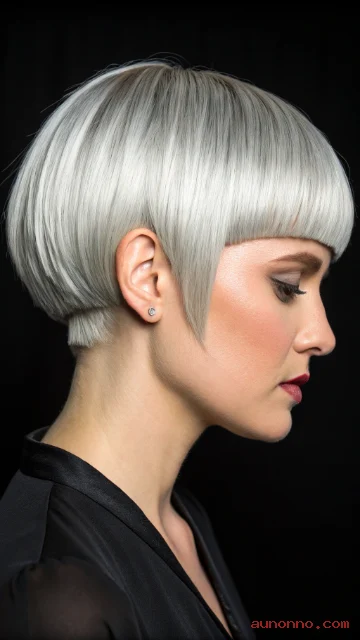
Forget the childhood bowl cut. Modern versions use heavy layering to create shape. This cut has a rounded outline with textured interior.
Layers prevent the bowl from looking like a helmet. They also allow you to push hair in different directions. This edgy look works for confident dressers.
Keep the perimeter even and blunt. The inside layers should be choppy and disconnected. You will get a geometric shape that feels fresh and artistic.
The Feathered Layered Cut
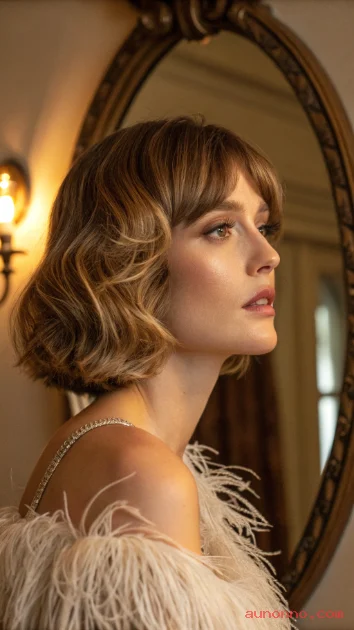
Feather layering creates soft, wispy ends. Each layer sits gently on top of the next. This technique gives hair a light, airy quality.
The feathered look works best on fine to medium hair. Heavy hair would weigh down the feathers. Your stylist will use a razor or thinning shears.
Blow-dry with a large round brush. Lift the roots while directing the ends outward. The result is a 1970s-inspired silhouette that feels totally modern.
The Disconnected Layered Undercut
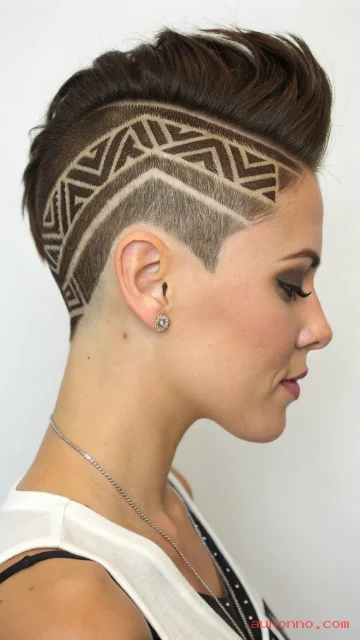
An undercut shaves one side or the back very short. The top and remaining sides have long layers. The contrast between lengths is intentionally disconnected.
The layered top can be swept to one side. The shaved part becomes a bold design element. This high-maintenance look requires frequent touch-ups.
You can add patterns or lines into the undercut. Your stylist can shave zigzags or geometric shapes. This cut makes a strong personal statement.
The Rounded Layered Bob
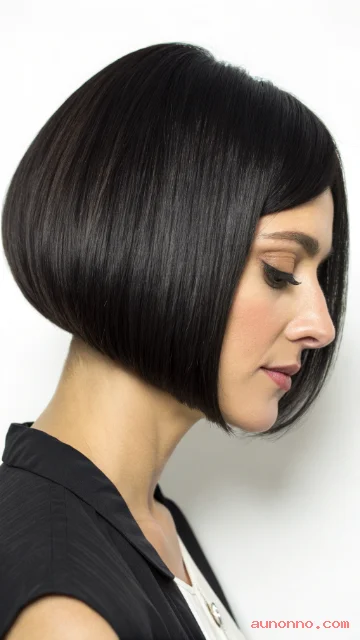
This bob follows the curve of your head. Layers are cut following a circular pattern. The result is a perfectly spherical shape from every angle.
Interior layers support the round silhouette. No single layer sticks out past the others. Your hair will look like a smooth, soft dome.
This cut suits fine hair that lacks natural volume. The rounded shape adds visible fullness. Use a round brush to enhance the curve while drying.
The Tapered Layered Cut
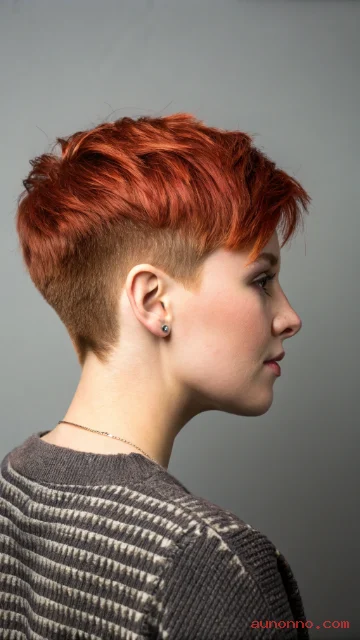
Tapering means hair gets gradually shorter from top to bottom. Layers blend into this graduation seamlessly. The back and sides taper down to the skin.
The top retains length and layering for movement. The tapered sides keep the look clean and professional. This cut works for all hair textures.
Ask for a low taper for a subtle effect. A high taper creates more dramatic contrast. You can style the top messy or sleek.
The Wispy Layered Cut
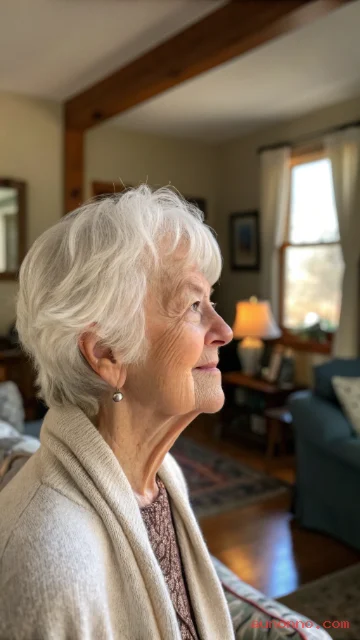
Wispy layers are cut very finely at the ends. The tips look almost see-through. This delicate technique softens blunt haircuts drastically.
Wispy ends move like feathers in the wind. They never look heavy or weighed down. This style suits thin or aging hair beautifully.
Use a lightweight mousse before blow-drying. Avoid heavy pomades or waxes. Your hair should look light, floaty, and effortless.
The Layered Mohawk (Faux Hawk)
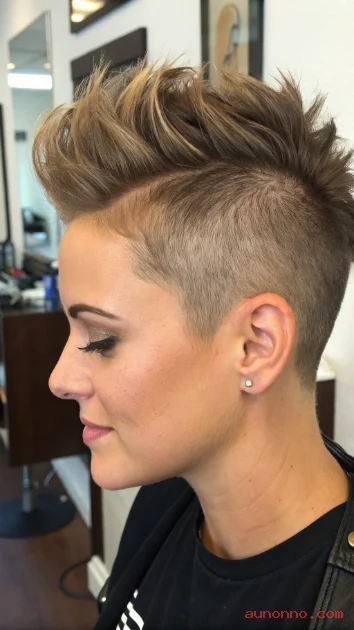
A faux hawk keeps the sides short but not shaved. The center strip has longer layers. You can style the center upward into a ridge.
The layered center prevents a stiff, helmet-like feel. You can push layers forward or backward. The sides blend softly into the top.
Use a strong hold gel or spray. Blow-dry the center section straight up. Then let the layers fall slightly for a wearable everyday hawk.
The Sliced Layered Cut
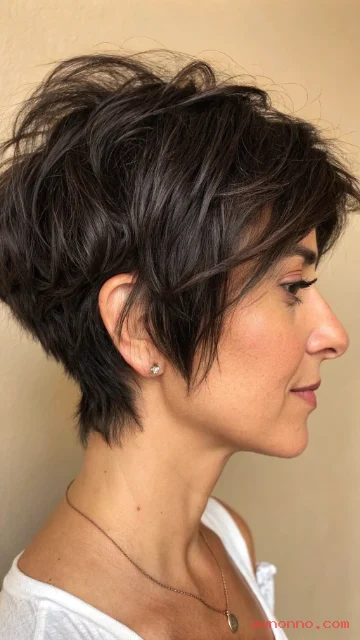
Slicing uses a razor to remove weight from specific sections. This creates invisible, internal layers. The outer shape stays intact while the inside moves freely.
Sliced layers are great for thick, heavy hair. They reduce bulk without shortening the length. Your hair will swing and bounce more easily.
This technique requires an experienced stylist. Bad slicing can create holes in your hair. Find someone who specializes in razor cutting.
The Choppy Layered Pixie
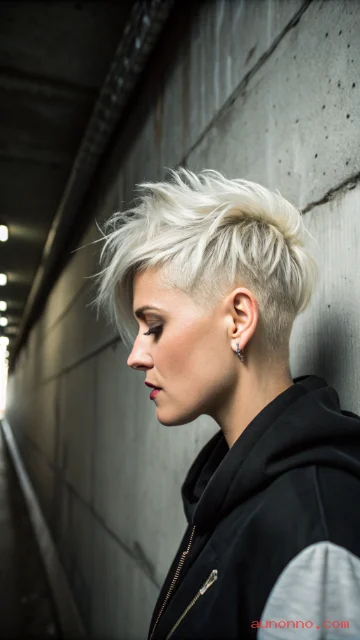
Choppy layers are cut at sharp angles. The ends look jagged and uneven on purpose. This rebellious style works for straight or slightly wavy hair.
The choppiness creates maximum texture and grit. You can spike it up or flatten it down. Each day looks slightly different.
Use a matte paste or clay. Rub a tiny amount between your palms. Then mess up your hair in every direction.
The Layered Lob (Long Bob)
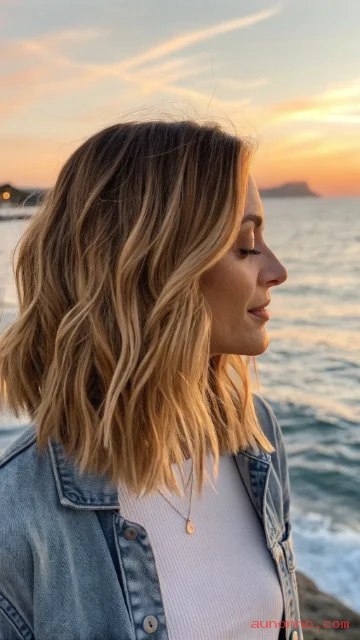
A lob falls between the chin and collarbone. Long layers start below the ears. This cut gives you short hair’s ease with long hair’s versatility.
The layers remove weight from thick ends. They also encourage natural waves to form. You can still pull this length into a tiny ponytail.
Beach waves look amazing on a layered lob. Use a 1-inch curling iron in alternating directions. Brush through gently for soft, undone waves.
The Layered Mullet
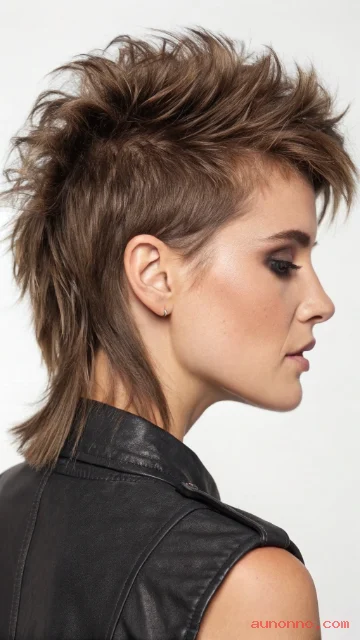
Modern mullets are short in front and long in back. Layers connect the two lengths smoothly. This shape is party in the front, business in the back.
The front layers frame your face softly. The back layers grow longer and more textured. The overall effect is stylish, not shocking.
Keep the sides short but not shaved. Let the back grow past your collar. You will get a rockstar look that turns heads.
The Gel-Based Layered Style
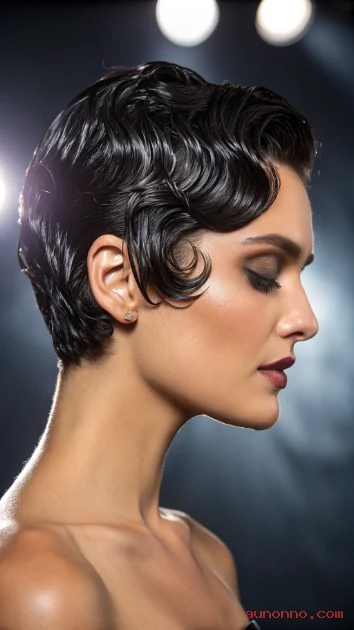
Some short layered cuts are meant to be worn wet. Gel holds each layer in a slick, defined position. This dramatic look works for formal events.
Apply a strong gel to soaking wet hair. Comb every layer flat against your head. The layers will look like painted strokes.
You can create finger waves with this technique. Use your fingers to pinch S-shapes into the gel. Let it dry completely without touching.
The Wind-Swept Layered Cut
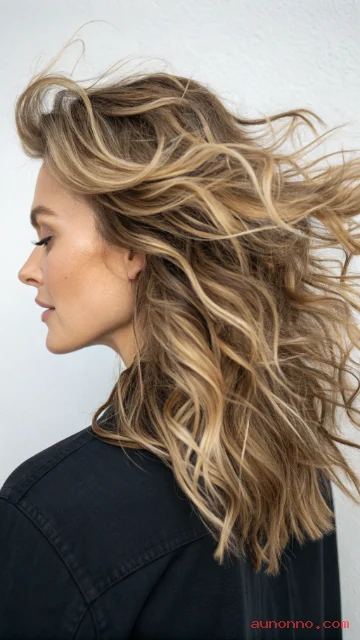
This cut uses layers to mimic wind-blown movement. The ends tilt upward and outward. Your hair looks like you just stepped off a sailboat.
The layers are cut with a lot of over-direction. Your stylist pulls hair forward while cutting. This creates natural lift at the front.
Blow-dry with a round brush rolling outward. Direct the airflow upward at the ends. Finish with a flexible hairspray for hold.
The Petite Layered Cut for Fine Hair
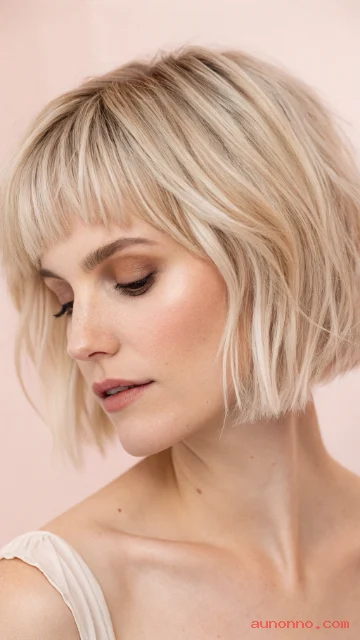
Fine hair needs many small, close-together layers. These petite layers build visible volume. They also prevent your scalp from showing through.
Your stylist will use a technique called layering with elevation. Each layer is cut at a 90-degree angle. This stacks volume from roots to ends.
Avoid heavy conditioners and oils. Use a volumizing mousse at the roots. Blow-dry upside down for maximum lift.
The Natural Layered Afro
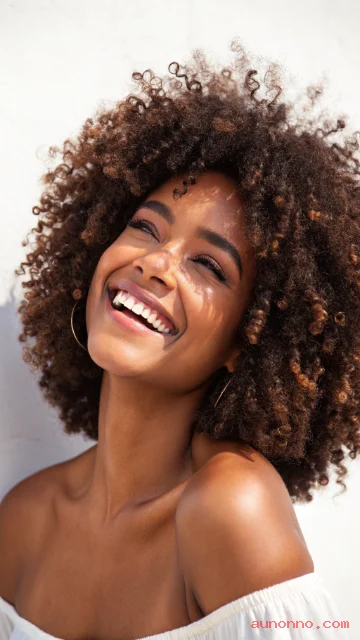
Short natural hair benefits greatly from layering. Layers shape an afro into a rounded silhouette. They also prevent uneven, boxy growth.
The shortest layers sit at the temple area. Longer layers graduate toward the crown. This creates a perfect sphere of curls.
Pick out your afro gently each morning. Use a wide-tooth comb, not a brush. The layers will keep the shape balanced and full.
Frequently Asked Questions
1. Will layers make my short hair look thinner?
No, proper layers actually add volume and movement. They remove bulk from thick hair but create fullness in fine hair. Always consult a stylist for your specific hair density.
2. How often should I trim short layered hair?
Every 4 to 6 weeks is ideal. Short hair loses its shape faster than long hair. Layers can become blunt and heavy without regular trims.
3. Can I have short hair with layers if I have curly hair?
Yes, absolutely. Curly hair needs layers to prevent triangle shape. Just avoid razors or thinning shears on curls.
4. What products work best for short layered styles?
Lightweight mousse, texturizing spray, and matte paste are great choices. Avoid heavy oils or butters that weigh down layers. Start with a pea-sized amount and add more if needed.
5. Do layers work on very short pixie cuts?
Yes, even a half-inch pixie can have layers. Micro-layers add texture and grip for styling. They also help the cut grow out more gracefully.
6. Which face shape looks best with short layered hair?
Every face shape has a layered style that works. Oval faces suit almost any layered cut. Heart and round faces benefit from face-framing layers.
7. How do I style short layered hair for a formal event?
Use a strong hold gel or pomade for sleek looks. Or add small braids and pins for decoration. Layers give you grip for updos and accessories.
8. Will layering damage my hair?
No, layering is a cutting technique, not a chemical process. Properly done layers do not damage hair. Bad cutting with razors on delicate hair might cause split ends.
9. Can I dye my hair after getting layers?
Yes, layers do not affect your ability to dye hair. In fact, layers show off multi-tonal color beautifully. Highlights and lowlights look more dynamic on layered cuts.
10. What do I tell my stylist for good short layers?
Say “I want short hair with layers that add movement and volume.” Bring a photo of a style you like. Ask for point-cutting instead of blunt cutting.
Conclusion
Short hair with layers offers incredible variety for any taste or hair type. From the classic pixie to the bold mullet, each style brings unique energy to your look.
The key is matching the layer pattern to your natural texture and daily routine. Remember that good layers require a skilled stylist and regular maintenance. Use the right lightweight products to keep your layers bouncy and defined.